

Visitors drawn to heritage pavilions at Hail festival

1 / 10
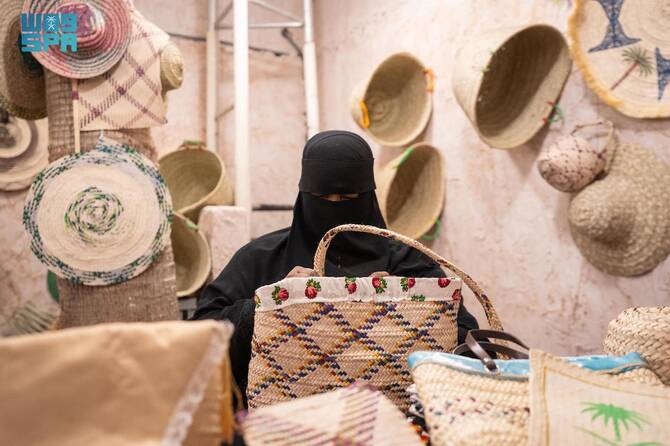
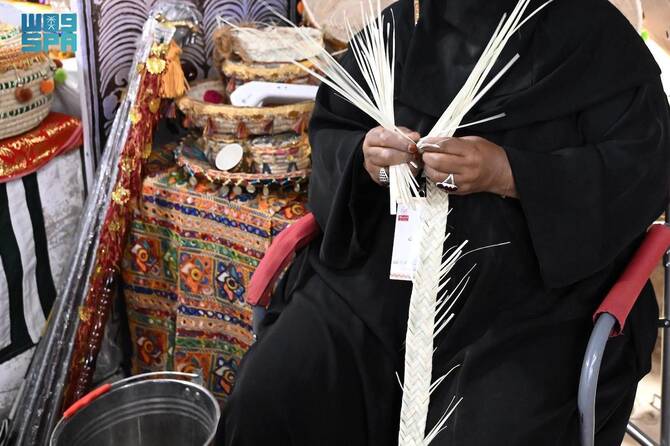
Traditional handicrafts, some involving ancient Bedouin techniques, have captivated visitors at the fourth Bait Hail Festival. (SPA)
2 / 10
Traditional handicrafts, some involving ancient Bedouin techniques, have captivated visitors at the fourth Bait Hail Festival. (SPA)
3 / 10
Traditional handicrafts, some involving ancient Bedouin techniques, have captivated visitors at the fourth Bait Hail Festival. (SPA)
4 / 10
Traditional handicrafts, some involving ancient Bedouin techniques, have captivated visitors at the fourth Bait Hail Festival. (SPA)
5 / 10
Traditional handicrafts, some involving ancient Bedouin techniques, have captivated visitors at the fourth Bait Hail Festival. (SPA)
6 / 10
Traditional handicrafts, some involving ancient Bedouin techniques, have captivated visitors at the fourth Bait Hail Festival. (SPA)
7 / 10
Traditional handicrafts, some involving ancient Bedouin techniques, have captivated visitors at the fourth Bait Hail Festival. (SPA)
8 / 10
Traditional handicrafts, some involving ancient Bedouin techniques, have captivated visitors at the fourth Bait Hail Festival. (SPA)
9 / 10
Traditional handicrafts, some involving ancient Bedouin techniques, have captivated visitors at the fourth Bait Hail Festival. (SPA)
10 / 10
Traditional handicrafts, some involving ancient Bedouin techniques, have captivated visitors at the fourth Bait Hail Festival. (SPA)
Short Url
Updated 06 July 2025
Follow

Visitors drawn to heritage pavilions at Hail festival

  • Visitors and tourists alike were drawn to pavilions showcasing cultural heritage and the artistry of ancestors who integrated the crafts into daily life

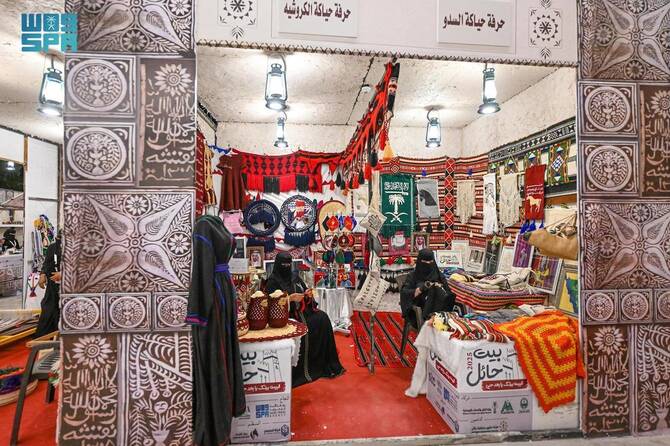
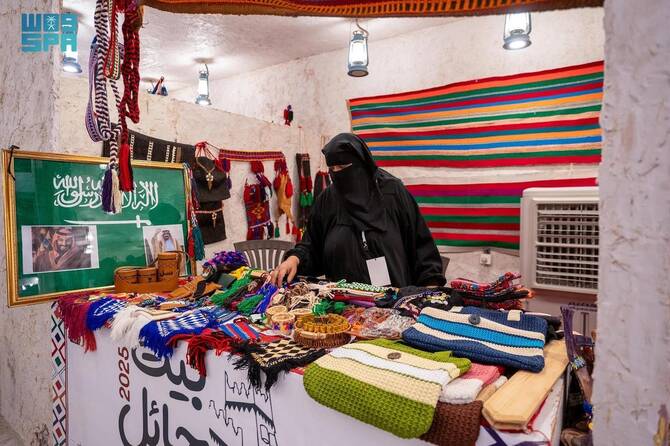
RIYADH: Traditional handicrafts, some involving ancient Bedouin techniques, have captivated visitors at the fourth Bait Hail Festival, the Saudi Press Agency reported on Sunday.

Visitors and tourists alike were drawn to pavilions showcasing cultural heritage and the artistry of ancestors who integrated the crafts into daily life.

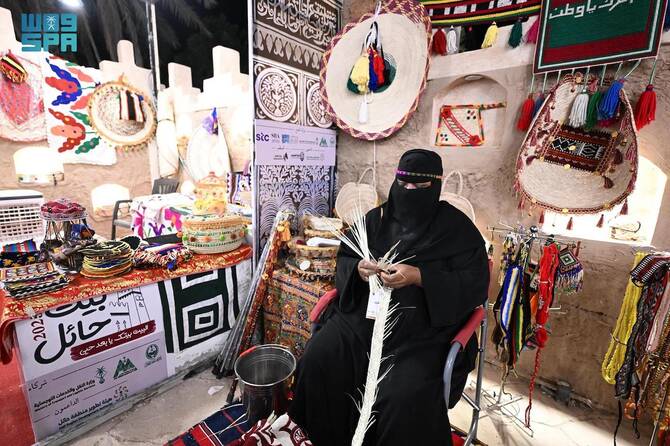
Wicker (Al-Khoos) crafting uses palm fronds to make bags, mats, brooms and more by weaving dry, cleaned and dried fronds.

The fronds are bundled, soaked until soft, then sewn together, with limbs trimmed and thorns removed, ready for painting and tool-making.

Wicker products are sold in shops and traditional markets across the region, and many Hail residents still use them today, the SPA added.

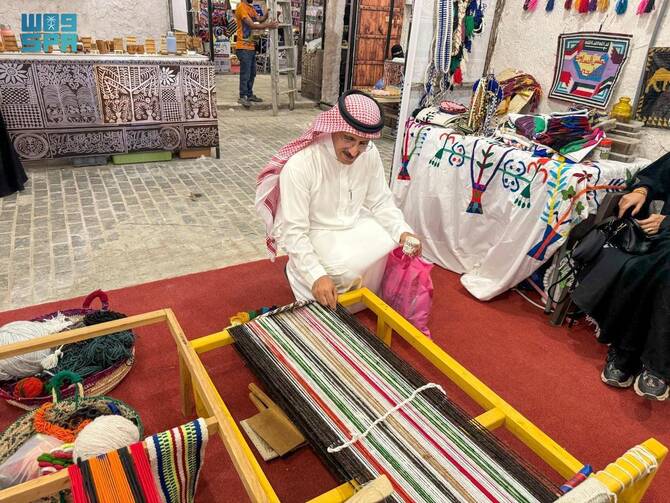
Meanwhile, several Sadu weavers stood out, showcasing authentic artworks and helping revive the hand-sewn craft after years of decline. The skilled artisans have spent years mastering and producing intricate pieces.

Sadu weaving uses natural materials like camel hair, goat and sheep wool, crafted with tools such as a spindle, needle and wooden pegs, according to the SPA.

In some cases, sadu weaving is combined with wickerwork, producing distinctive pieces that blend traditional techniques.


Jazan honey exhibition helps boost sustainability

Updated 07 February 2026
Follow

Jazan honey exhibition helps boost sustainability

JAZAN: The honey exhibition, which is a highlight of the annual Jazan Festival, showcases the biodiversity and agricultural richness in Saudi Arabia’s southwest.

Some 60 local beekeepers are this year presenting nearly 10 tonnes of honey across more than 15 premium varieties unique to Jazan’s mountains and plains, the Saudi Press Agency reported on Saturday.

Beyond serving as a premier marketing platform, the exhibition underscores beekeeping as a sustainable activity supporting ecological balance and food security.

By empowering local producers and attracting thousands of visitors, the event integrates Jazan’s natural resources into the Kingdom’s broader tourism and economic landscape.

Held at the cultural center in Al-Edabi governorate, the event features exhibitor booths and sales outlets which have experienced strong demand from visitors drawn to high-quality local products and exclusive offers.

Suleiman Al-Ghazwani, the exhibition’s executive director, said the event aimed to highlight the quality of local honey and its derivatives while encouraging beekeepers to expand production through new marketing opportunities.

He added that the exhibition featured activities for all ages, including a children’s theater and bee-themed games, while providing the opportunity to take home a variety of gifts and prizes.

Al-Ghazwani added that the exhibition provided an engaging educational experience and introduced visitors to beekeeping as a key part of Jazan’s tourism landscape and a promising contributor to its future development.