

Saudi POS spending stabilizes at $2.96bn despite post-Eid Al-Adha sectoral declines: SAMA 

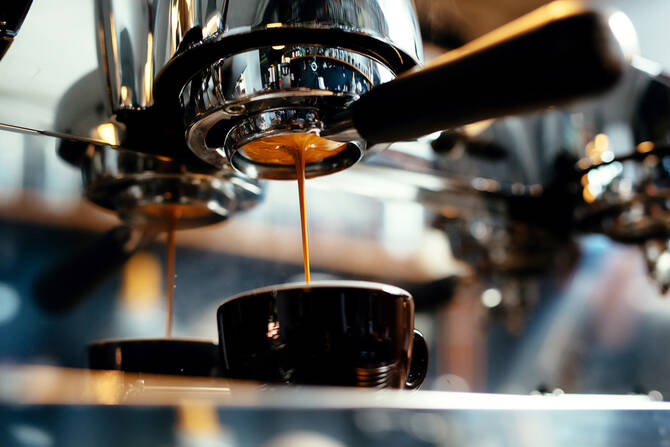
Spending in restaurants and cafes accounted for the largest share of POS transactions. Shutterstock
Short Url
Updated 18 June 2025
Follow

Saudi POS spending stabilizes at $2.96bn despite post-Eid Al-Adha sectoral declines: SAMA 

  • POS transaction values fell 21.3% from the previous week
  • Spending in restaurants and cafes accounted for the largest share at SR1.80 billion

RIYADH: Saudi consumer spending via point-of-sale terminals remained resilient at SR11.11 billion ($2.96 billion) in the week ending June 14, even as transactions declined across all major sectors, official data showed. 

The latest weekly report from the Saudi Central Bank, known as SAMA, showed that POS transaction values fell 21.3 percent from the previous week, while the number of transactions dropped 10.7 percent to 203.78 million. 

The prior week, ending June 7, saw a spending peak of SR14.12 billion, driven by elevated Eid Al-Adha holiday consumption. 

The contraction in weekly spending comes amid normalization following the Eid surge, but underlying consumer momentum remains intact — supported by Vision 2030 reforms aimed at digitizing payments and promoting a cashless economy. 

According to the SAMA report, spending in restaurants and cafes accounted for the largest share of POS transactions at SR1.80 billion, though it saw a 12.4 percent decline from the previous week. 

The food and beverage category remained another hotspot for POS activity, with transactions amounting to SR1.72 billion, also marking a decline of 18.7 percent. 

Transactions in the miscellaneous goods and services category dropped 27.8 percent, reaching SR1.27 billion. 

Spending at gas stations declined 6 percent week on week to SR857.45 million, while transactions in the clothing and footwear category fell 51.4 percent to SR655.95 million. 

Affirming the steady momentum of infrastructure development in the Kingdom, POS spending in the construction sector stood at SR242.10 million, registering a marginal decline of 2.6 percent. 

Geographically, Saudi Arabia’s capital, Riyadh, led POS transactions, recording SR3.58 billion. However, transaction values in the city declined by 22.2 percent compared to the previous week. 

Jeddah followed with a 14.3 percent decrease to SR1.59 billion, while Dammam came third with transactions totaling SR526.12 million. 

Hail experienced the most significant decline in spending, dropping 28.3 percent to SR182.14 million, followed by Tabuk, which saw a 27.5 percent reduction to SR197.60 million. 

POS spending in Makkah declined 4.9 percent to SR517.62 million. In Madinah, transactions stood at SR457.70 million, reflecting a 22.7 percent weekly decline. 

In Alkhobar, the value of transactions amounted to SR311.51 million, a drop of 2.19 percent, while Abha registered SR154.01 million in POS value, marking a 21.4 percent decline. 

The continued momentum in POS activity underscores Saudi Arabia’s steady transition toward a cashless economy, in alignment with one of the core objectives of the Financial Sector Development Program under Vision 2030. 


Saudi Aramco, ExxonMobil, Samref ink deal to study Yanbu refinery upgrade

Updated 5 sec ago
Follow

Saudi Aramco, ExxonMobil, Samref ink deal to study Yanbu refinery upgrade

RIYADH: Energy giants Saudi Aramco, ExxonMobil, and Samref have signed a venture framework agreement to upgrade the Yanbu refinery and expand it into an integrated petrochemical complex.

As a part of the deal, the companies will explore capital investments to upgrade and diversify production, including high-quality distillates that result in lower emissions and high-performance chemicals, according to a joint press statement.

The agreement will also see the parties explore opportunities to improve the refinery’s energy efficiency and reduce environmental impacts from operations through an integrated emissions-reduction strategy.

Samref is an equally owned joint venture between Aramco and Mobil Yanbu Refining Co. Inc., a wholly owned subsidiary of Exxon Mobil Corp.

The refinery currently has the capacity to process more than 400,000 barrels of crude oil per day, producing a diverse range of energy products, including propane, automotive diesel oil, marine heavy fuel oil, and sulfur.

“This next phase of Samref marks a step in our long-term strategic collaboration with ExxonMobil. Designed to increase the conversion of crude oil and petroleum liquids into high-value chemicals, this project reinforces our commitment to advancing Downstream value creation and our liquids-to-chemicals strategy,” said Aramco Downstream President, Mohammed Y. Al Qahtani.

He added that the deal will help position Samref as a key driver of the Kingdom’s petrochemical sector’s growth.

The press statement further said that companies will commence a preliminary front-end engineering and design phase for the proposed project, which would aim to maximize operational advantages, enhance Samref’s competitiveness, and help to meet growing demand for high-quality petrochemical products in Saudi Arabia.

The firms added that these plans are subject to market conditions, regulatory approvals, and final investment decisions by Aramco and ExxonMobil.

“We value our partnership with Aramco and our long history in Saudi Arabia. We look forward to evaluating this project, which aligns with our strategy to focus on investments that allow us to grow high-value products that meet society’s evolving energy needs and contribute to a lower-emission future,” said Jack Williams, senior vice president of Exxon Mobil Corp.