- Conflict, economic shocks, and climate-related hazards blamed for harsh conditions in the worst-hit areas
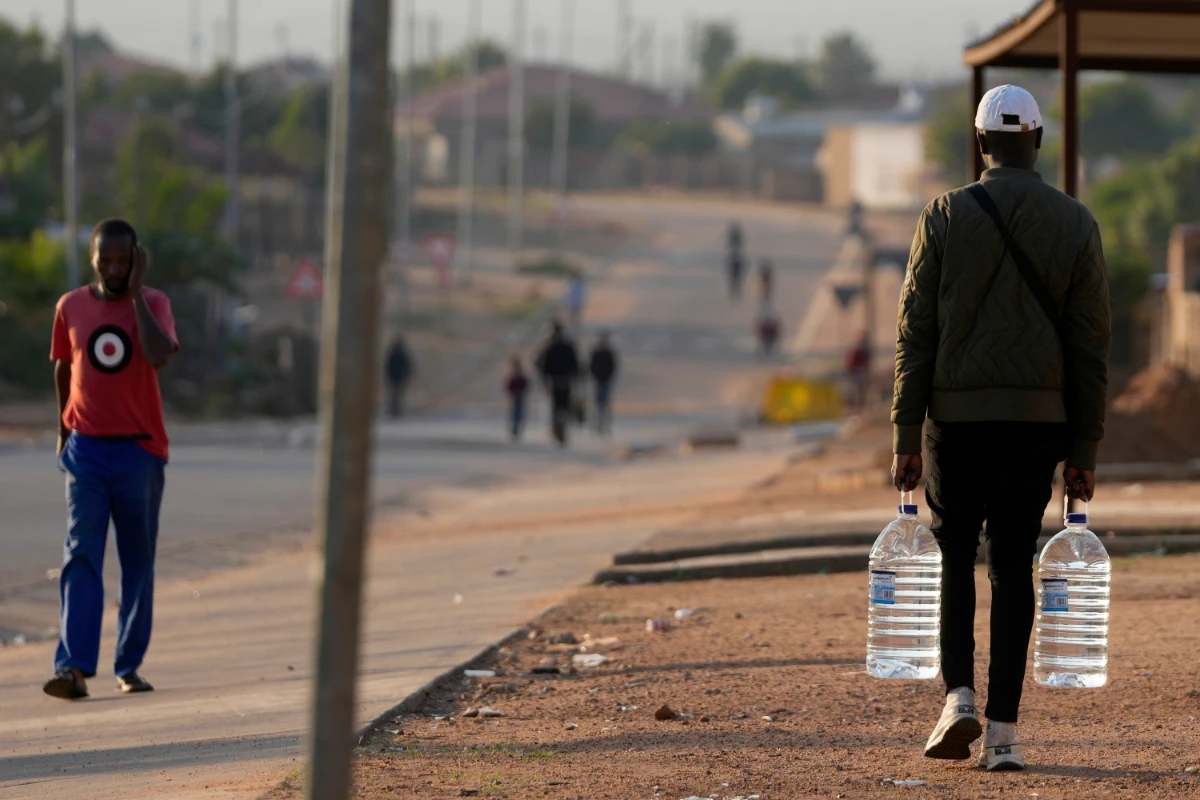
ROME: Extreme hunger is intensifying in 13 global hot spots, with Gaza, Sudan, South Sudan, Haiti, and Mali at immediate risk of famine without urgent humanitarian intervention, a joint UN report warned on Monday.
The “Hunger Hotspots” report by the UN Food and Agriculture Organization and World Food Programme blamed conflict, economic shocks, and climate-related hazards for conditions in the worst-hit areas.
The report predicts food crises in the next five months.
It called for investment and help to ensure aid delivery, which it said was being undermined by insecurity and funding gaps.
“This report is a red alert. We know where hunger is rising and we know who is at risk,” said WFP Executive Director Cindy McCain.
“Without funding and access, we cannot save lives.”
For famine to be declared, at least 20 percent of the population in an area must be suffering extreme food shortages, with 30 percent of children acutely malnourished and two people out of every 10,000 dying daily from starvation or malnutrition and disease.
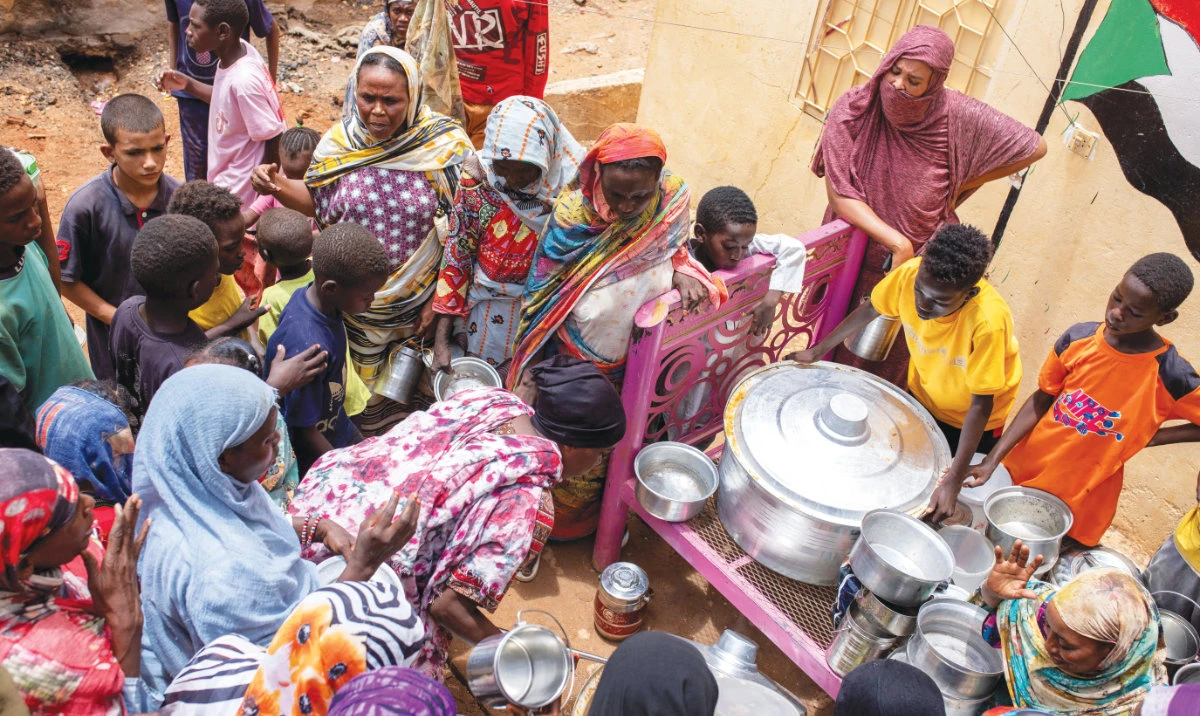
In Sudan, where famine was confirmed in 2024, the crisis is expected to persist due to conflict and displacement, with almost 25 million people at risk.
South Sudan, hit by flooding and political instability, could see up to 7.7 million people in crisis, with 63,000 in famine-like conditions, the report said.
In Gaza, Israel’s continued military operations and blockade have left the entire population of 2.1 million people facing acute food insecurity, with nearly half a million at risk of famine by the end of September, the report said.
In Haiti, escalating gang violence has displaced thousands, with 8,400 already facing catastrophic hunger, while in Mali, conflict and high grain prices put 2,600 people at risk of starvation by the end of August.
Other countries of high concern include Yemen, the Democratic Republic of the Congo, Myanmar, and Nigeria.
“Protecting people’s farms and animals to ensure they can keep producing food where they are, even in the toughest and harshest conditions, is not just urgent — it is essential,” said FAO Director General QU Dongyu.
Some countries, such as Ethiopia, Kenya, and Lebanon, have improved and have been removed from the FAO and WFP’s Hunger Hotspots list.
The UN’s Office for the Coordination of Humanitarian Affairs said on Monday it was drastically scaling back its global humanitarian aid plans because of the “deepest funding cuts ever” — leaving tens of millions of people facing dire straits.
OCHA said it was seeking $29 billion in funding for 2025 compared to the $44 billion requested initially in December, in a “hyper-prioritized” appeal.
“Brutal funding cuts leave us with brutal choices,” OCHA chief Tom Fletcher said in a statement.
“All we ask is 1 percent of what you chose to spend last year on war. But this isn’t just an appeal for money it’s a call for global responsibility, human solidarity, and a commitment to end the suffering.”
In late April, while visiting a hospital in Kandahar in Afghanistan, Fletcher warned: “Cutting funding for those in greatest need is not something to boast about ... The impact of aid cuts is that millions die.”
With 2025 nearly halfway through, the UN has received only $5.6 billion out of the $44 billion sought initially for this year — a mere 13 percent.
In total, the original plan covered more than 70 countries and aimed to assist nearly 190 million vulnerable people.
Even so, that plan acknowledged there were 115 million people the UN could not reach.
“We have been forced into a triage of human survival,” Fletcher said on Monday.
The mathematics “is cruel, and the consequences are heartbreaking.”
“Too many people will not get the support they need, but we will save as many lives as we can with the resources we are given,” he said.
Aid will now be directed so that it can “reach the people and places facing the most urgent needs,” with those in “extreme or catastrophic conditions” as the starting point, said Fletcher.
“This will ensure that limited resources are directed where they can do the most good — as quickly as possible,” the statement said.