Greening initiative sees 31m trees planted in Saudi Arabia’s Eastern Province

1 / 5
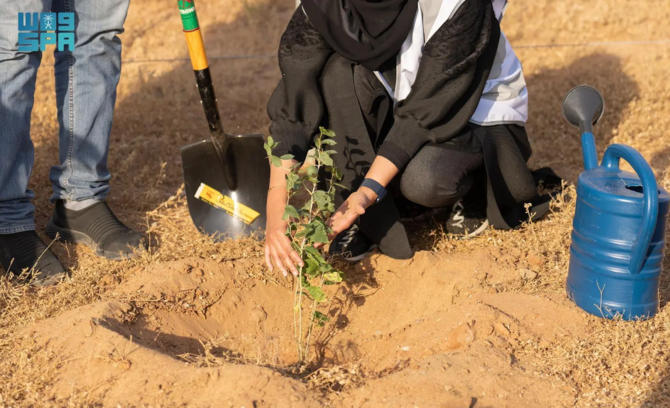
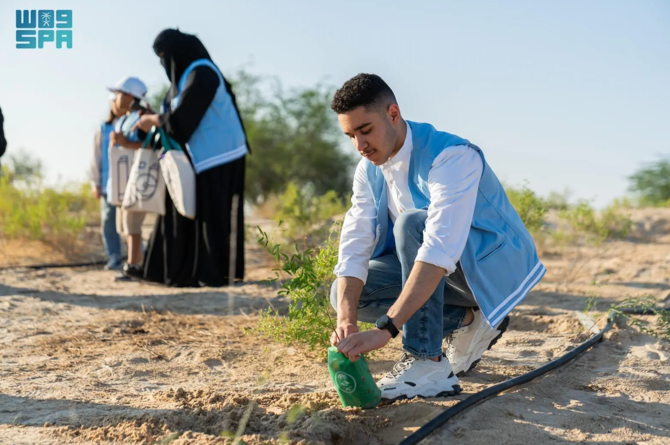
More than 31 million trees have been planted in Saudi Arabia’s Eastern Province as part of a nationwide afforestation project. (SPA)
2 / 5
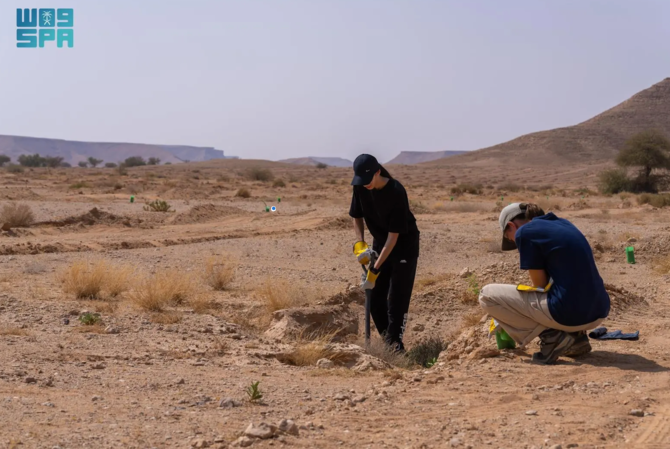
More than 31 million trees have been planted in Saudi Arabia’s Eastern Province as part of a nationwide afforestation project. (SPA)
3 / 5
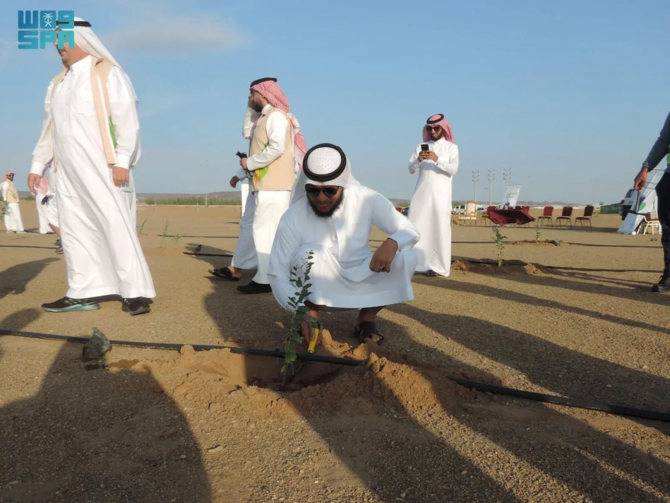
More than 31 million trees have been planted in Saudi Arabia’s Eastern Province as part of a nationwide afforestation project. (SPA)
4 / 5
More than 31 million trees have been planted in Saudi Arabia’s Eastern Province as part of a nationwide afforestation project. (SPA)
5 / 5
More than 31 million trees have been planted in Saudi Arabia’s Eastern Province as part of a nationwide afforestation project. (SPA)
Short Url
Updated 16 June 2025
Follow

Greening initiative sees 31m trees planted in Saudi Arabia’s Eastern Province

  • The authorities aim to plant 1.5 billion trees in the province by 2100, rehabilitating more than 7.9 million hectares of land

RIYADH: More than 31 million trees have been planted in Saudi Arabia’s Eastern Province as part of a nationwide afforestation project, the Saudi Press Agency reported on Monday.

The trees were planted by the National Center for Vegetation Cover Development and Combating Desertification, working with 51 other entities, under a program launched in November.

The authorities aim to plant 1.5 billion trees in the province by 2100, rehabilitating more than 7.9 million hectares of land.

The scheme is part of the nationwide Saudi Green Initiative, which aims to plant 10 billion trees — 600 million by 2030 — and rehabilitate more than 40 million hectares of land.

As well as planting trees, the center has been engaged in a program of environmental monitoring, combating illegal logging and raising public awareness across the Eastern Province.

It also works to prevent sand encroachment in farming areas that are at risk of soil degradation and uses native plant species to populate its afforestation areas in order to maintain the ecological balance of local habitats.

The center also organizes the National Afforestation Season in partnership with the Ministry of Environment, Water and Agriculture.


Najran’s camels are embedded in local culture and traditions

Camels are not only a vital livestock resource in Najran, but also a cornerstone of local identity and tradition. (SPA)
Updated 25 December 2025
Follow

Najran’s camels are embedded in local culture and traditions

  • Several distinct camel breeds are found in the region
  • Animals permeate Arab consciousness, says expert

RIYADH: In Najran, camels are not only a vital livestock resource but also a cornerstone of local identity and tradition.

According to Hadi Benyan Al-Amer, head of Najran’s Camel Association, the region has several distinct camel breeds.

Principal among them is the Awarik, an ancient Arabian lineage linked to territories where arak trees flourish, the Saudi Press Agency reported on Thursday.

These light-colored, sparsely-haired camels possess remarkable resilience, and are prevalent across southern Arabia.

The Majahim are characterized by dark hues spanning black to brown, and excel in both milk yield and endurance.

The Asayil are prized for their sleek, lean physiques, and dominate in speed-based competitions.

Al-Amer said traditional water sources known as Odood, or traditional water wells and artesian wells, have sustained herders navigating the Empty Quarter’s grazing lands for generations.

These permanent water points, equipped with dedicated drinking basins for camels, showcase the animals’ extraordinary environmental resilience.

Among the principal wells accessible from Najran are Al-Minkhali, Abu Shadid, Hamra Nathil, Tamani, Umm Al-Wahat, and Khujaima.

Countless additional wells dot the Empty Quarter and adjacent territories, forming the backbone of camel owners’ far-reaching pastoral networks.

Dr. Hind bint Dawood Al-Shuqair of Najran University’s Arabic Language Department explained how camels have permeated Arab consciousness through legends and stories spanning thousands of years.

Representing endurance, power, and grace, they have become inseparable from Arab cultural identity.

Archaeological evidence at Al-Ukhdood, Mount Al-Tharwa and Hima, preserves through carvings and ancient artwork the deep bond between people and camels, Al-Shuqair said.

She drew attention to Saudi Arabia’s substantial investment in camel heritage, exemplified by proclaiming 2024 as the Year of the Camel.

This designation emphasizes their importance to national prosperity and cultural heritage while backing global initiatives to promote awareness of camels as valuable economic and cultural assets.

The Kingdom further demonstrates its commitment to protecting the animals through the annual King Abdulaziz Festival, the SPA reported.