IFC to provide $400 million loan for Pakistan’s copper-gold Reko Diq mine

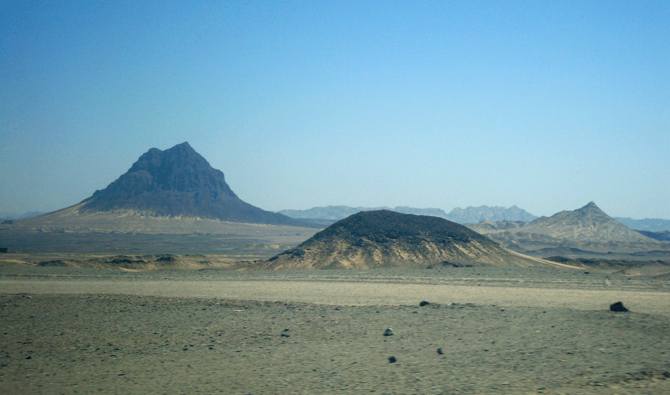
The hills near the proposed site of the Reko Diq copper mine in Pakistan's province of Baluchistan are seen in this undated 2010 photo. (Reuters/File)
Short Url
Updated 13 June 2025
Follow

IFC to provide $400 million loan for Pakistan’s copper-gold Reko Diq mine

  • The loan adds to a $300 million commitment announced in April, bringing the total to $700 million
  • Reko Diq, one of the largest undeveloped copper-gold deposits, is being developed by Barrick Gold

ISLAMABAD: The International Finance Corporation will provide a $400 million subordinated loan for Pakistan’s Reko Diq copper-gold mine, according to an IFC disclosure on Friday.

The loan adds to a $300 million commitment announced in April, bringing IFC’s total financing for the project to $700 million. The estimated cost of the mine is $6.6 billion, to be funded through a mix of debt and equity from a consortium of lenders.

“The estimated total Project cost is $6.6bn, and it will be financed using a combination of debt and equity,” the disclosure said, adding that other parallel lenders will provide the remaining debt financing.

This type of loan, known as subordinated debt, is typically repaid after other senior loans and helps absorb more risk, making it easier for other lenders to invest.

Other financiers, including the US EXIM Bank, Asian Development Bank, Export Development Canada, and Japan’s JBIC, are also expected to join the financing package, project director Tim Cribb told Reuters in April.

Term sheets are expected to close by early in the third quarter. IFC chief Makhtar Diop said earlier this year that the institution was “doubling down” on Pakistan, with a focus on infrastructure, energy and natural resources.

Reko Diq, located in Balochistan, is one of the world’s largest undeveloped copper-gold deposits. It is being developed by Barrick Gold, which holds 50 percent, with the remainder split between Pakistan’s federal and provincial governments.

Production is expected to begin in 2028. Barrick has projected the mine will generate up to $74 billion in free cash flow over its estimated 37-year life.


Pakistan forms committee to negotiate financial advisory services for Islamabad airport privatization

Updated 18 February 2026
Follow

Pakistan forms committee to negotiate financial advisory services for Islamabad airport privatization

  • Committee to engage Asian Development Bank to negotiate terms of financial advisory services agreement, says privatization ministry
  • Inaugurated in 2018, Islamabad airport has faced criticism over construction delays, poor facilities and operational inefficiencies

ISLAMABAD: Pakistan’s Privatization Ministry announced on Wednesday that it has formed a committee to engage the Asian Development Bank (ADB) to negotiate a potential financial advisory services agreement for the privatization of Islamabad International Airport.

The Islamabad International Airport, inaugurated in 2018 at a cost of over $1 billion, has faced criticism over construction delays, poor facilities, and operational inefficiencies.

The Negotiation Committee formed by the Privatization Commission will engage with the ADB to negotiate the terms of a potential Financial Advisory Services Agreement (FASA) for the airport’s privatization, the ministry said. 

“The Negotiation Committee has been mandated to undertake negotiations and submit its recommendations to the Board for consideration and approval, in line with the applicable regulatory framework,” the Privatization Ministry said in a statement. 

The ministry said Islamabad airport operations will be outsourced under a concession model through an open and competitive process to enhance its operational efficiency and improve service delivery standards. 

Pakistan has recently sought to privatize or outsource management of several state-run enterprises under conditions agreed with the International Monetary Fund (IMF) as part of a $7 billion bailout approved in September last year.

Islamabad hopes outsourcing airport operations will bring operational expertise, enhance passenger experience and restore confidence in the aviation sector.

In December 2025, Pakistan’s government successfully privatized its national flag carrier Pakistan International Airlines (PIA), selling 75 percent of its stakes to a consortium led by the Arif Habib Group. 

The group secured a 75 percent stake in the PIA for Rs135 billion ($482 million) after several rounds of bidding, valuing the airline at Rs180 billion ($643 million).

Pakistan’s Finance Minister Muhammad Aurangzeb said this week the government has handed over 26 state-owned enterprises to the Privatization Commission.