

RIYADH: Once a niche ceremonial tea in Japan, matcha is now gaining mainstream popularity in Saudi Arabia, thanks to a growing interest in wellness trends, evolving taste preferences, and the rise of mindful living.
The data backs the trend. According to a recent report by IMARC Group, Saudi Arabia’s green tea market, which includes matcha, was valued at $140.14 million and is projected to grow to $229.24 million by 2033.
Imports of packaged green tea nearly doubled in value between 2020 and 2023, suggesting a growing appetite for premium, health-focused drinks.
That growing demand is reflected on cafe menus and social media feeds across the Kingdom. Matcha lattes, once limited to specialty coffee shops, are now a fixture at trendy cafes and home kitchens alike.
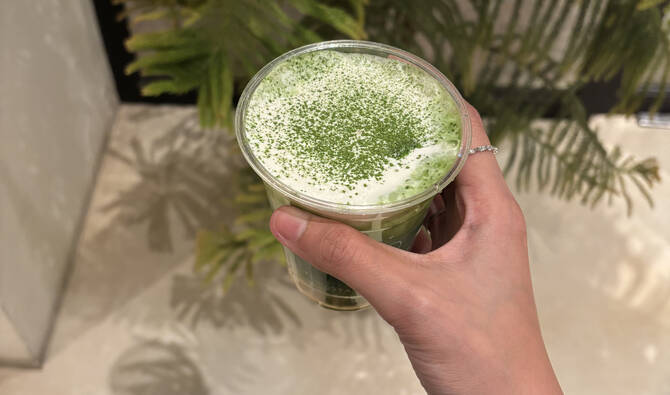
Whether it’s served iced in sleek glass cups or whisked at home with oat milk, matcha is more than a drink. It’s a mood, a personal statement, and for many, a healthier way to start the day.
In Dammam, 19-year-old Sara Anas remembers her first taste of matcha back in 2019. “My dad likes trying new things,” she said. “It didn’t taste that great at first, but when matcha became popular in 2021, I got excited to try it again from local cafes.”
Now, she drinks it almost daily. “It might sound strange, but I don’t feel like it’s heavy on my body like coffee. It makes me feel more relaxed and gives me energy in a better way.”
Anas is part of a growing demographic. In Riyadh, 26-year-old Amal Al-Mutairi starts every morning with matcha. “I prefer it iced with vanilla milk to make the flavor smoother and lighter,” she said.
For her, the appeal began with reading about its benefits. “It gives me calm energy without the jitters or crash I usually feel after drinking coffee. It also helps me focus for longer periods.”
That calm, focused energy — often described as a “cleaner” caffeine experience — has made matcha especially popular among students and professionals.
For Anas, it’s a campus essential. “It’s a must before classes! It gives me the energy to continue my day at uni,” she said.
But matcha is more than functional. It’s become a lifestyle, embraced for both its wellness claims and its visual charm.
Globally, matcha’s rise is part of a broader wellness boom. Japan’s matcha production rose 185 percent from 2010 to 2023, and demand is now so high that suppliers are warning of shortages. Japan’s top growers have begun limiting exports to meet domestic needs.
Matcha’s health appeal is not just hype. Rich in antioxidants — especially a compound called EGCG — studies suggest it may reduce inflammation, support cardiovascular health, and aid cognitive function.
A recent Saudi study also found that over half of the participants believed matcha could help with weight management and blood sugar balance.
Still, experts note that moderation matters. Excessive matcha consumption may interfere with iron absorption and isn’t recommended for everyone.
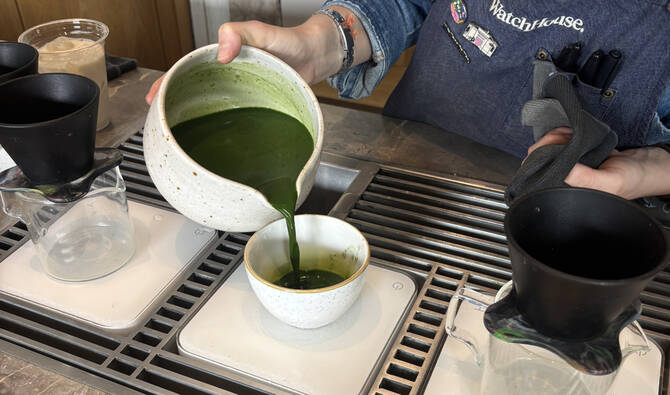
The ritual of preparing matcha, especially for those who make it themselves, has become part of a broader shift toward slow, intentional living — something many young Saudis are leaning into.
That ritual is deeply personal for 27-year-old Leen Al-Zamil, who turned matcha from curiosity into a daily indulgence. “I was curious at first and honestly, I hated it so much, but I think (that’s) because it was hot,” she said. “I liked it cold with vanilla syrup and oat milk. I definitely can’t drink it alone.”
Now, she can’t go a day without it. “Sometimes twice or more,” she said. “I like its color … I enjoy every step of making it, and it just tastes so good. It brightens my mood.”
Al-Zamil is not the only one who sees matcha as more than just a drink.
For 28-year-old Mona Abdullah, matcha represents healing. “As someone who suffers from IBS, coffee tends to affect me for a while, whereas matcha provides steady energy without causing any discomfort,” she said. “I’ve stopped drinking coffee for the past three months. I now believe that matcha is a better source of caffeine compared to black coffee.”
Irritable bowel syndrome is a common digestive condition. Many people with IBS find that coffee, with its acidity and high caffeine content, can trigger discomfort, making gentler alternatives like matcha a preferred choice.
Abdullah drinks it twice a day, iced, and without any added flavors. “Health,” she says, is what made her switch.
Still, matcha’s appeal goes beyond health — it’s also about aesthetics and culture. “I think it’s a mix of everything,” said Al-Mutairi. “The health benefits, the taste, and yes, the aesthetic.”
Anas echoed that idea, noting that people’s motivations vary. “For me, it’s for its health benefits and for the taste. You don’t usually get a healthy drink with a good taste,” she said. “But I think there are a lot of people who drink it just for the aesthetic. You see them adding hundreds of syrups just to say they drink matcha.”
That blend of wellness and image — serious health meets playful branding — has fueled matcha’s surge on social media. With its bright green hue, minimalist packaging, and frequent cameos in cafe selfies, matcha has become the drink of the “soft life” movement, one that prioritizes peace, balance, and pleasure.
“It’s definitely the vibe and the taste,” said Al-Zamil.
In a country where coffee culture runs deep, matcha is not replacing tradition; it’s offering something new: a blend of taste, lifestyle, and personal meaning, one bright green cup at a time.