

Farasan Islands to spend $112 million on infrastructure, housing

1 / 7
Farasan Islands is a tourist destination rich in both wildlife and archaeological sites. (SPA)
2 / 7
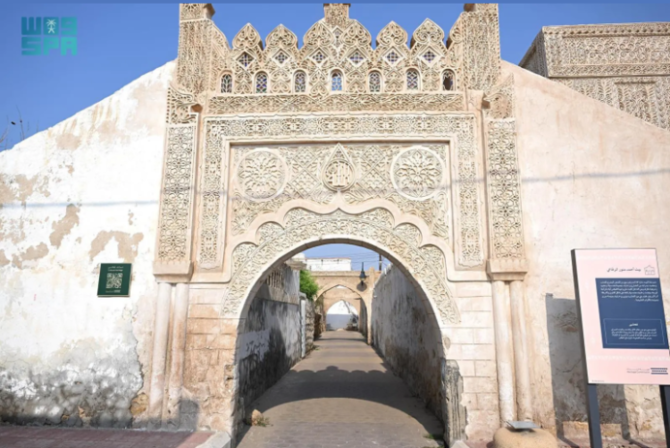
An ancient mosque has withstood the test of time in a deserted village in the Farasan Islands. (Shutterstock)
3 / 7
An aerial view of a boat touring the lush mangroves and waterways of the Farasan Islands. (Saudi Tourism Authority)
4 / 7
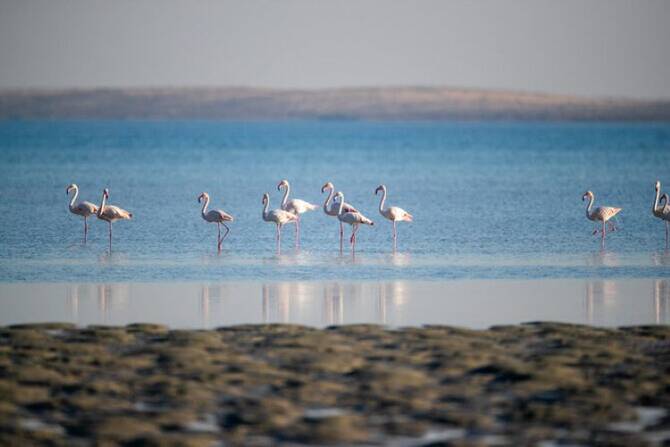
The Farasan Islands offer a relatively safe haven for flamingos, with minimal human disturbance and ample space for the birds to roost and forage. (Supplied)
5 / 7
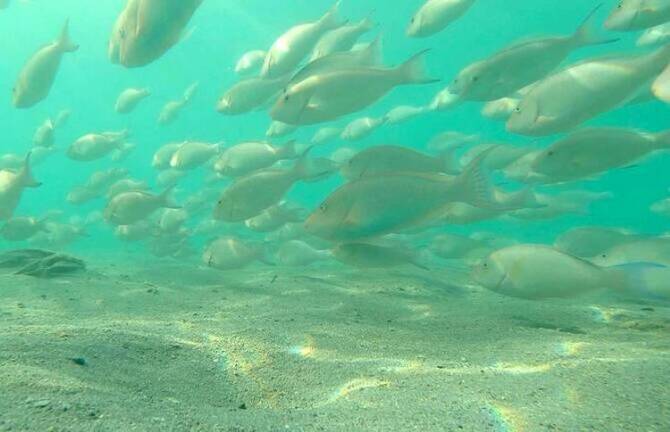
The Farasan Islands celebrate the annual harid fish arrival. (SPA)
6 / 7
The Farasan Islands are home to an abundance of wildlife. (SPA)
7 / 7
The mangroves and aquamarine waters of the Farasan Islands are rich in wildlife. (Reuters)
Short Url
Updated 24 April 2025
Follow

Farasan Islands to spend $112 million on infrastructure, housing

  • Islands offer opportunities for local, international investors
  • Around SR320 million has been set aside for the development of four housing projects

RIYADH: The Farasan Islands in southern Saudi Arabia have become well-known attractions for their sandy beaches, clear waters, and vibrant marine life.

A small group of coral islands about 40 km off the coast of Jazan in the Red Sea, they are rich in cultural heritage and natural beauty.

This has inspired a development initiative aimed at improving the area’s infrastructure to strengthen its appeal as a prime destination for tourists and investors.

The Jazan Region Municipality has revealed 20 completed and ongoing projects in the Farasan Islands governorate, costing a total of SR423 million ($112 million).

There are 16 municipal initiatives costing SR103 million, including road paving, sanitation, and city operations, all of which are aimed at enhancing quality of life.

Around SR320 million has been set aside for the development of four housing projects.

Three residential plans covering 1,711 plots and a developmental housing project comprising 92 residential units have been earmarked by the municipality.

By building new parks, beautifying beaches, and providing family-friendly recreational areas, the municipality aims to meet the needs of the local community and amplify investment opportunities.

The Farasan Islands represent a substantial investment opportunity for both local and international investors, especially considering their many attractions.

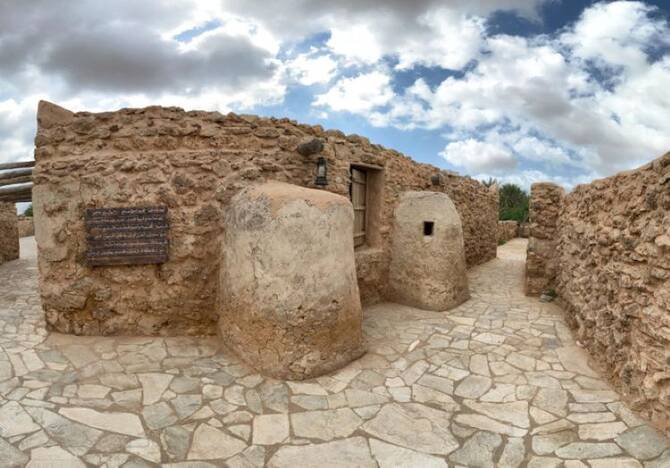
The cultural village of Al-Qassar, known for its well-preserved historical houses, abundant fresh groundwater, and flourishing date palms, provide a glimpse into the traditional island way of life.

Other sites include the Al-Qandal Forest for its mangrove trees, as well as the Deer Reserve, Al-Dana Park, and Al-Hases Park.

In addition to the natural wonders of the islands, there are archeological sites, including the house of Al-Rifai and the historic Najdi Mosque.

The projects and investments are expected to create jobs and strengthen the local economy, in line with Saudi Vision 2030 goals.


Northern Borders rock art reveals ancient life

Updated 07 March 2026
Follow

Northern Borders rock art reveals ancient life

  • Among the most notable remains are stone structures scattered northwest of Arar
  • Evidence ranges from the Neolithic era to Islamic times, forming a chronological record

JEDDAH: Saudi Arabia’s Northern Borders region contains numerous archaeological sites, reflecting a long history of human settlement dating back to early periods, the Saudi Press Agency reported.
Among the most notable remains are stone structures scattered northwest of Arar.
Varying in shape, size and design, specialists believe these structures date to the end of the Neolithic period and the beginning of subsequent eras. They are thought to have been used as stone tombs to preserve the remains of the dead.
Evidence ranges from the Neolithic era to Islamic times, forming a chronological record that highlights the diversity of communities that once lived in the region and how they interacted with their natural environment over centuries.
Ajab Al-Otaibi, director general of antiquities at the Heritage Commission, said the stone structures and rock art sites in the Northern Borders region represent an integral part of Saudi Arabia’s national cultural heritage and serve as an important resource for archaeological studies and scientific research.
He highlighted the importance of surveys, documentation and protection efforts to preserve these cultural landmarks as a historical legacy for future generations.
The region is also home to several important rock art sites, such as Shu’ayb Hamer, which features a wide and diverse collection of drawings carved on natural rock surfaces, marking it as a key site that documented early human activity in the area.
The artworks depict scenes of hunting, horsemanship, dancing, daily life and social rituals. They were created using a variety of artistic styles, most notably framed and abstract forms, and produced through different techniques including incizing and pecking, both direct and indirect.
The carvings portray human figures and a range of animals, including camels, horses and gazelles, as well as some wild and predatory species that have long since disappeared.
These images provide insight into the richness of the natural environment in earlier periods and help researchers understand the evolving relationship between humans and their surroundings.