Farasan Islands to spend $112 million on infrastructure, housing

1 / 7
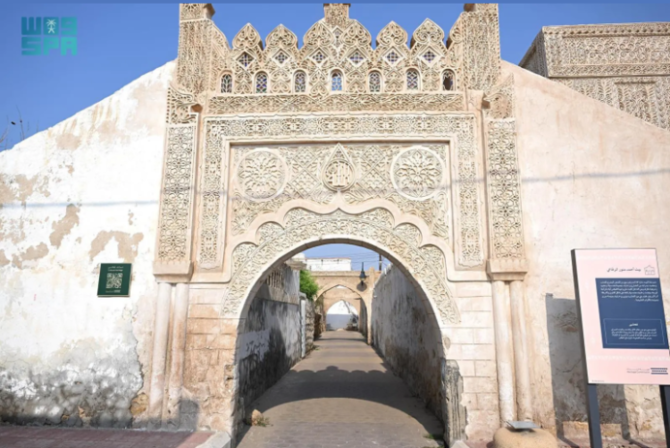
Farasan Islands is a tourist destination rich in both wildlife and archaeological sites. (SPA)
2 / 7
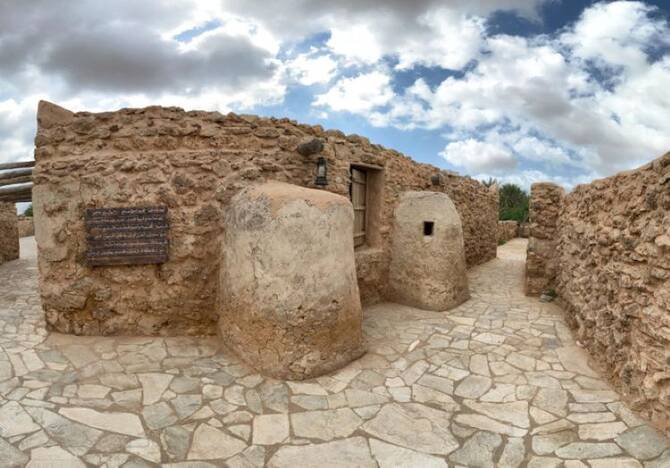
An ancient mosque has withstood the test of time in a deserted village in the Farasan Islands. (Shutterstock)
3 / 7
An aerial view of a boat touring the lush mangroves and waterways of the Farasan Islands. (Saudi Tourism Authority)
4 / 7
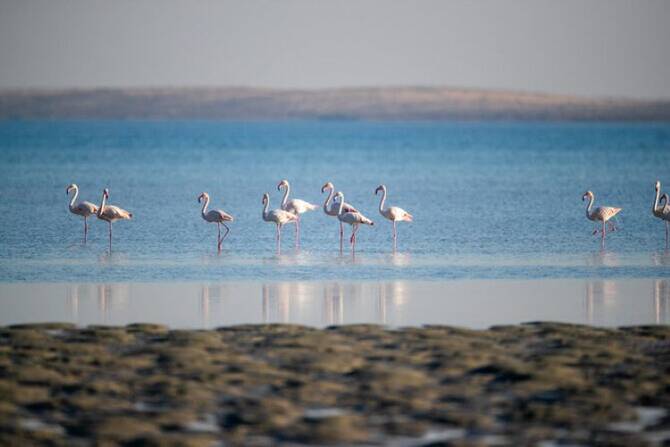
The Farasan Islands offer a relatively safe haven for flamingos, with minimal human disturbance and ample space for the birds to roost and forage. (Supplied)
5 / 7
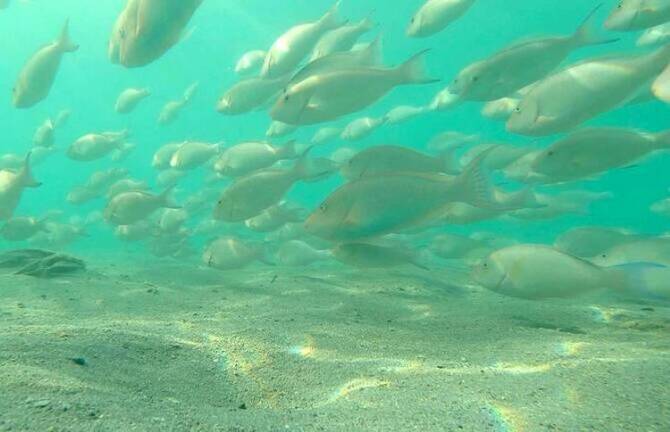
The Farasan Islands celebrate the annual harid fish arrival. (SPA)
6 / 7
The Farasan Islands are home to an abundance of wildlife. (SPA)
7 / 7
The mangroves and aquamarine waters of the Farasan Islands are rich in wildlife. (Reuters)
Short Url
Updated 24 April 2025
Follow

Farasan Islands to spend $112 million on infrastructure, housing

  • Islands offer opportunities for local, international investors
  • Around SR320 million has been set aside for the development of four housing projects

RIYADH: The Farasan Islands in southern Saudi Arabia have become well-known attractions for their sandy beaches, clear waters, and vibrant marine life.

A small group of coral islands about 40 km off the coast of Jazan in the Red Sea, they are rich in cultural heritage and natural beauty.

This has inspired a development initiative aimed at improving the area’s infrastructure to strengthen its appeal as a prime destination for tourists and investors.

The Jazan Region Municipality has revealed 20 completed and ongoing projects in the Farasan Islands governorate, costing a total of SR423 million ($112 million).

There are 16 municipal initiatives costing SR103 million, including road paving, sanitation, and city operations, all of which are aimed at enhancing quality of life.

Around SR320 million has been set aside for the development of four housing projects.

Three residential plans covering 1,711 plots and a developmental housing project comprising 92 residential units have been earmarked by the municipality.

By building new parks, beautifying beaches, and providing family-friendly recreational areas, the municipality aims to meet the needs of the local community and amplify investment opportunities.

The Farasan Islands represent a substantial investment opportunity for both local and international investors, especially considering their many attractions.

The cultural village of Al-Qassar, known for its well-preserved historical houses, abundant fresh groundwater, and flourishing date palms, provide a glimpse into the traditional island way of life.

Other sites include the Al-Qandal Forest for its mangrove trees, as well as the Deer Reserve, Al-Dana Park, and Al-Hases Park.

In addition to the natural wonders of the islands, there are archeological sites, including the house of Al-Rifai and the historic Najdi Mosque.

The projects and investments are expected to create jobs and strengthen the local economy, in line with Saudi Vision 2030 goals.


8 NGOs join Saudi Arabia’s national vegetation drive

Updated 26 January 2026
Follow

8 NGOs join Saudi Arabia’s national vegetation drive

  • The center continues to promote collaboration across sectors to expand environmental awareness and advance sustainability goals through knowledge exchange

RIYADH: The National Center for Vegetation Cover Development and Combating Desertification has signed memoranda of understanding with several nonprofit environmental associations to strengthen partnerships with the nonprofit sector in advancing national goals for environmental sustainability.

The MoUs were signed with eight associations: Al-Nakaa Association, Lavender Society, Darb Hiking Trails and Walking Trips Association, Hail Agriculture Development Association, Yanbu Environmental Association, Rifaq Environment Association (Hail), Aghsan Environmental Association, and Pristine Future Environment Association.

The center said cooperation with the nonprofit sector enhances volunteer and community initiatives and maximizes environmental and social impact across the Kingdom, the Saudi Press Agency reported on Monday.

The agreements are part of a broader cooperation framework covering afforestation and land rehabilitation projects, nature-based tourism support, expertise exchange, capacity building through training, and community environmental awareness.

The center continues to promote collaboration across sectors to expand environmental awareness and advance sustainability goals through knowledge exchange, coordinated community efforts, joint outreach programs, and initiatives supporting national environmental objectives.