

Farasan Islands’ rich marine and wildlife fuel Kingdom’s ecotourism appeal

1 / 8
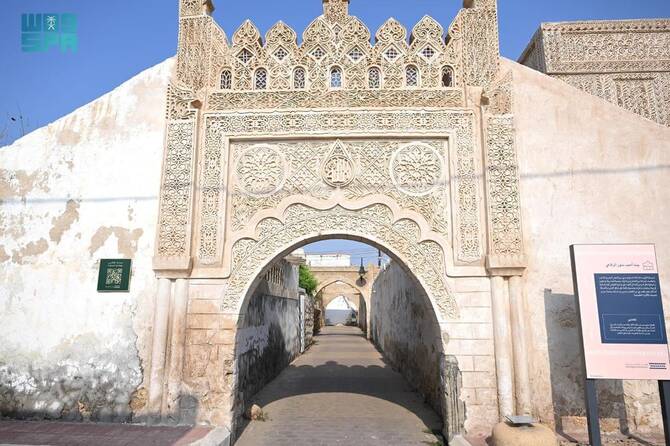
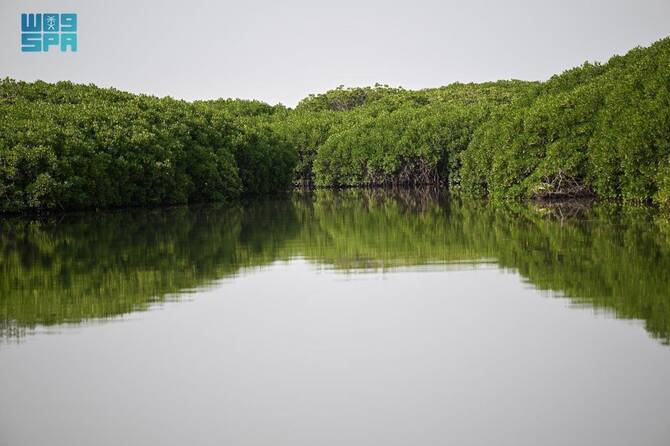
The Farasan Islands, an archipelago of more than 84 coral islands, off Jazan, Saudi Arabia, are home to a wide diversity of plant and animal life. (SPA)
2 / 8
The Farasan Islands, an archipelago of more than 84 coral islands, off Jazan, Saudi Arabia, are home to a wide diversity of plant and animal life. (SPA)
3 / 8
The Farasan Islands, an archipelago of more than 84 coral islands, off Jazan, Saudi Arabia, are home to a wide diversity of plant and animal life. (SPA)
4 / 8
The Farasan Islands, an archipelago of more than 84 coral islands, off Jazan, Saudi Arabia, are home to a wide diversity of plant and animal life. (SPA)
5 / 8
The Farasan Islands, an archipelago of more than 84 coral islands, off Jazan, Saudi Arabia, are home to a wide diversity of plant and animal life. (SPA)
6 / 8
The Farasan Islands, an archipelago of more than 84 coral islands, off Jazan, Saudi Arabia, are home to a wide diversity of plant and animal life. (SPA)
7 / 8
The Farasan Islands, an archipelago of more than 84 coral islands, off Jazan, Saudi Arabia, are home to a wide diversity of plant and animal life. (SPA)
8 / 8
The Farasan Islands, an archipelago of more than 84 coral islands, off Jazan, Saudi Arabia, are home to a wide diversity of plant and animal life. (SPA)
Short Url
Updated 16 April 2025
Follow

Farasan Islands’ rich marine and wildlife fuel Kingdom’s ecotourism appeal

  • With white sandy beaches and turquoise waters, the Farasan Islands are ideal for both adventure and relaxation and attract divers and fishing enthusiasts from around the world
  • One of the islands’ most remarkable natural features is the expansive Al-Qandal Forest, which provides vital habitats for diverse wildlife

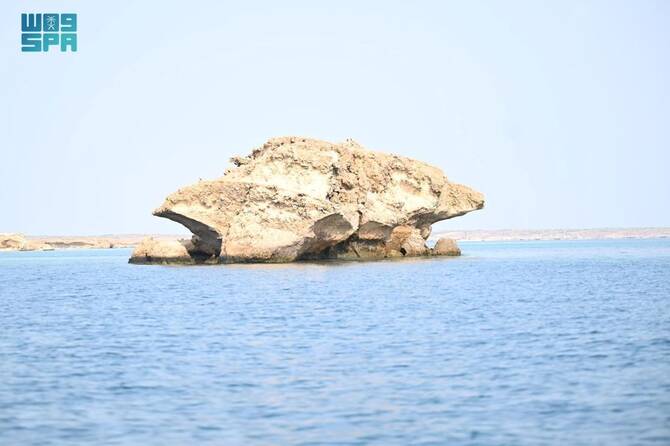
RIYADH: Known for sustainable tourism, the Farasan Islands lie 50 km off the coast of Jazan. Spanning 1,050 sq. km and with more than 84 coral islands, they balance environmental conservation with local economic growth.

With white sandy beaches and turquoise waters, they are ideal for both adventure and relaxation and attract divers and fishing enthusiasts from around the world.

One of the islands’ most remarkable natural features is the expansive Al-Qandal Forest, which provides vital habitats for diverse wildlife.

This area is home to over 180 varieties of plants and more than 200 species of birds, including the osprey, grey pelican, dark gull, heron and sooty falcon.

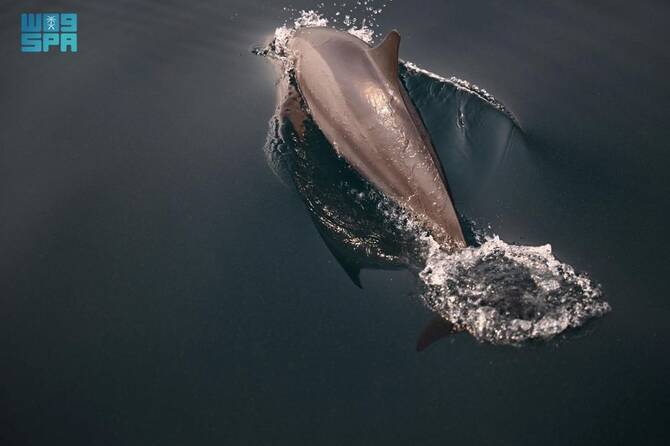
Its rich marine ecosystem includes 230 kinds of fish and numerous endangered species such as the green turtle, hawksbill turtle and sea urchins. Dolphins, whales and sharks can be seen occasionally.

Additionally, the islands feature around 50 types of coral, seaweed and algae, and are home to the Arabian gazelle.

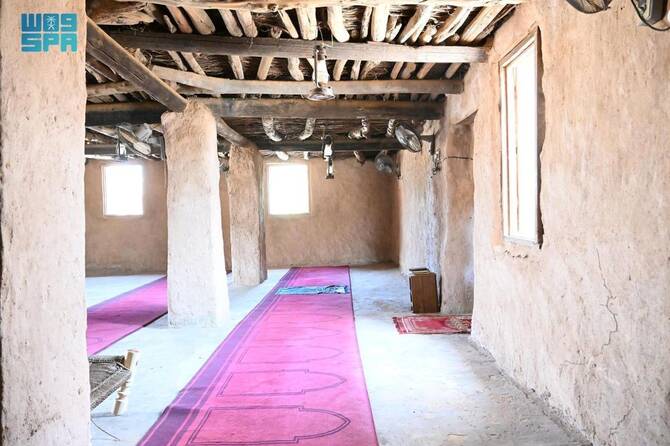
The Farasan Islands are also steeped in cultural history. Archaeological sites abound, notably Al-Qassar Village with its ancient, pre-Islamic stone houses and Beit Al-Rifai, a prominent historical landmark from the early 20th century.

The islands have become a key tourist destination, attracting over 150,000 visitors annually. The growth means the Saudi authorities are developing the local infrastructure with plans for more than 20 hotels and resorts.

The archipelago is also experiencing a surge in marine activities, highlighted by the annual Hareed Festival which draws thousands of visitors to observe and join in catching hared, or parrotfish.

As part of Saudi Arabia’s Vision 2030, the Farasan Islands are set for further tourism-related developments, including improved transportation and an increased number of daily cruises.


Ugandan culture, arts, cuisine shine in Riyadh

Updated 5 sec ago
Follow

Ugandan culture, arts, cuisine shine in Riyadh

RIYADH: The Ugandan culture events under the Global Harmony initiative concluded on Wednesday at Al-Suwaidi Park, one of the Riyadh Season zones.

Organized by the ministry of media in cooperation with the General Entertainment Authority, the two-day events attracted visitors of several nationalities, the Saudi Press Agency reported.

Attendees explored Ugandan culture and arts through musical performances, traditional shows, and entertainment programs featuring Ugandan artists and influencers.

Folk groups from various regions of Uganda performed traditional songs and chants, highlighting the country’s heritage.

Participating pavilions displayed traditional clothing, handicrafts, and local cuisine, reflecting Uganda’s cultural diversity, the SPA added.

Ugandan residents expressed pride in seeing their culture presented in Riyadh and introduced to the world, reinforcing the capital’s status as a growing global cultural hub.

They noted that the events offered an opportunity to promote their heritage and strengthen its presence among diverse communities.

This year’s Global Harmony initiative celebrated 14 world cultures, each representing a different community in the Kingdom. Following the Uganda culture events are Ethiopia (Dec. 11-13) and Sudan (Dec. 14–20).