

Egypt’s annual inflation rises to 13.1% in March: CAPMAS

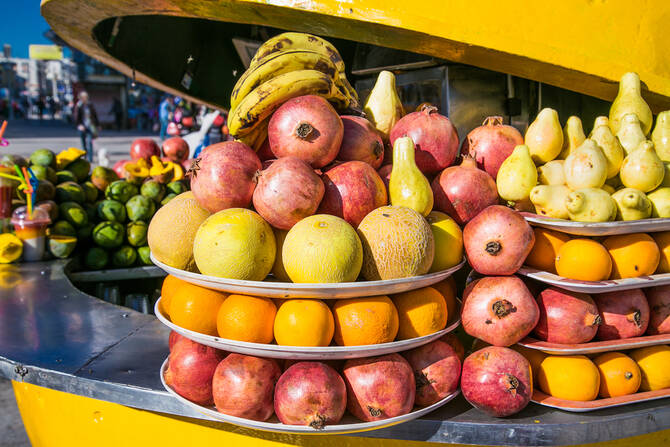
Year-on-year prices for fruits soared by 76.7 percent, according to the latest data. Shuttertock
Short Url
Updated 10 April 2025
Follow

Egypt’s annual inflation rises to 13.1% in March: CAPMAS

RIYADH: Egypt’s annual inflation rate rose to 13.1 percent in March, up from 12.5 percent in the previous month, according to the latest official data. 

The monthly consumer price index also increased by 1.5 percent compared to February, reaching 250.6 points, Egypt’s Central Agency for Public Mobilization and Statistics reported. 

Higher prices in key food categories including fruits, vegetables, and meat, drove the change, with some items experiencing double-digit year-on-year surges. 

The data indicates continued inflationary pressures across essential sectors, affecting households nationwide. 

The increase comes as Egypt continues to contend with the effects of currency devaluations, subsidy reforms, and global food and fuel price shocks. 

The CAPMAS report revealed that the food and beverage division was the primary contributor to the March inflation increase, with year-on-year prices for fruits soaring by 76.7 percent and vegetables climbing by 6.6 percent. 

Meat and poultry rose by 6.2 percent, while the price of cereals and bread jumped 8.1 percent compared to March last year. 

Across North Africa, inflation trends remain mixed as neighboring economies contend with varying degrees of price pressures.  

Algeria’s annual inflation rate rose to 4.7 percent in January, its highest since October, according to data platform Trading Economics. Morocco saw a sharper increase to 2.6 percent in February from 2 percent, while Tunisia’s rate edged up to 5.9 percent in March from 5.7 percent, driven by higher food, clothing, and household costs. 

Sudan, still grappling with hyperinflation, saw a slight easing to 142.34 percent in February from 145.14 percent, though it remains among the world’s highest. 

In Egypt, notable annual increases were recorded in the clothing and footwear segment, which rose 18.3 percent, driven by a 22.9 percent spike in shoes and a 19.4 percent rise in ready-made garments.  

Housing and utility costs also advanced, registering a 17.4 percent increase year on year. This was attributed to a 36.5 percent surge in electricity, gas, and other fuel prices. 

Healthcare saw a significant rise as well, with hospital services up by 19.8 percent and outpatient services by 12.6 percent, contributing to a 25.5 percent overall increase in the group.  

In transportation, private vehicle purchase prices rose by 29.5 percent, while transport services increased 35 percent over the year. 

Inflation in communication services also surged, led by an 89.2 percent increase in postal services. 

Prices for cultural and recreational services climbed by 18.3 percent, reflecting hikes in book prices, organized travel services, and entertainment products. 

The education sector saw an average price increase of 10 percent, with pre-primary and primary education costs rising by 12.5 percent.  

Additionally, university education and other unspecified levels posted increases of 4.3 percent and 12.2 percent, respectively. 

The accommodation and food service sector experienced an 11.3 percent rise in prices, while miscellaneous goods and services such as personal care items and travel gear increased by 13.5 percent. 

On a monthly basis, food prices rose across several categories, with bread and cereals up by 0.5 percent, meat and poultry by 2.8 percent, fish and seafood by 0.7 percent, and fruits by 0.2 percent.  

Vegetables increased by 3.1 percent in March compared to February.


PIF-backed AviLease achieves revenue of $664m and 19% growth in 2025

Updated 27 February 2026
Follow

PIF-backed AviLease achieves revenue of $664m and 19% growth in 2025

RIYADH: Saudi Arabia’s Public Investment Fund-backed AviLease achieved exceptional performance and sustainable business growth during 2025, supported by the strategic expansion of its global platform.

According to its financial results for 2025, AviLease recorded total revenues of $664 million, an annual increase of 19 percent, driven by disciplined growth in its asset portfolio and strong performance in aircraft remarketing amid sustained global demand for modern, fuel-efficient aircraft, the Saudi Press Agency reported.

Profit before tax doubled compared to the previous year, reaching $122 million. The year witnessed an expansion in AviLease’s portfolio, reaching 202 owned and managed aircraft, leased to over 50 airline companies in more than 30 countries. 

The total value of the company’s assets stabilized at $9.3 billion. AviLease maintained a 100 percent fleet utilization rate, reflecting the resilience of its business model, the efficiency of its asset management, and the strength of its strategic relationships with airlines around the world.

AviLease concluded purchase agreements for aircraft from Airbus, including the A320neo family and A350F, and Boeing 737 aircraft, aiming to enhance its future asset portfolio with modern, fuel-efficient aircraft. This step will contribute to supporting future growth and meeting increasing customer demand for the latest aircraft, aligning with the Kingdom’s ambitions to become a leading global aviation hub.

AviLease strengthened its prestigious credit standing by obtaining a strong Baa2 credit ratings from Moody’s and BBB from Fitch, reflecting its financial solidity, managerial discipline, and efficiency in managing leverage. The company also successfully issued senior unsecured bonds worth $850 million last November under Regulation 144A/RegS. This issuance contributed to diversifying its funding sources and enhancing its financial flexibility.

Commenting on the results, AviLease CEO Edward O’Byrne said: “This exceptional performance reflects the quality of the company’s investment portfolio, the strength of its partnerships with airlines, and its strategic focus on responsibly deploying capital into highly sought-after, efficient, modern aircraft assets.”

He added: “As aviation markets continue to grow, AviLease is strategically positioned to continue its expansion plans and deliver sustainable long-term value for shareholders, contributing to the Kingdom’s ambitions.”

Throughout 2025, AviLease continued to play a pivotal role in the Kingdom’s growing aviation sector and contributed directly to the launch and scaling of the new national carrier, Riyadh Air, by completing a sale and leaseback transaction for a Boeing 787-9 aircraft, which thereby became the first aircraft to join the airline’s fleet.

AviLease also established a strategic partnership with Hassana Investment Co. This partnership aims to provide an opportunity for local and international investors to enter the aircraft financing asset class and benefit from AviLease’s technical expertise and operational capabilities to support partnership growth and enhance performance. 

Hassana Investment Co. has agreed to acquire an initial portfolio of 10 modern aircraft from AviLease.