- The first actor of Arab descent to win an Oscar discusses his latest movie ‘The Amateur’
DUBAI: Oscar-winner Rami Malek is expanding his role behind the camera with “The Amateur,” now showing in cinemas across the Middle East. Teaming up with British director James Hawes and an ensemble cast, Malek – as lead star and producer – crafts a modern spy thriller that blends classic genre tension with timely urgency, and a cerebral update.
“I just love to see things from beginning to end all the way through — every element,” Malek tells Arab News. “I hope it’s not a perfectionist aspect, but I’ve always found myself remembering moments on certain cameras, certain lenses on other actors that I would talk to the directors about, or in post-production and wanting to make sure we get the best of the best. I heard about a lot of actors who come into the editing suite, and I thought, ‘How could I do that without having to do it in this kind of sneaky manner?’
“And so (this was) the way to do that. And it was nice to see this develop, to work on the script with Dan Wilson and, of course, the great (producer) Hutch Parker, and James Hawes, and sit down day in and day out and try to make this feel as authentic and unique as possible from beginning to end.”
Malek stars as Charlie Heller, a brilliant but introverted CIA codebreaker whose life is upended when his wife (Rachel Brosnahan) is killed in a terrorist attack in London. When the agency refuses to act, Heller sets off on a dangerous, global pursuit of those responsible — using his intelligence skills to outwit enemies and seek justice on his own terms.
Apart from Malek and Brosnahan, the film also stars Laurence Fishburne, Caitriona Balfe, Jon Bernthal, and Emmy winner Julianne Nicholson, among others.
“I got to galvanize some of my favorite actors — people I’ve always wanted to work with — in this ensemble,” Malek says. “I think everyone recognizes them as people working at the top of their game. Every actor in this film is someone I consider myself fortunate to have shared the screen with. And yeah, I’m very proud of that. It’s quite the feat.”
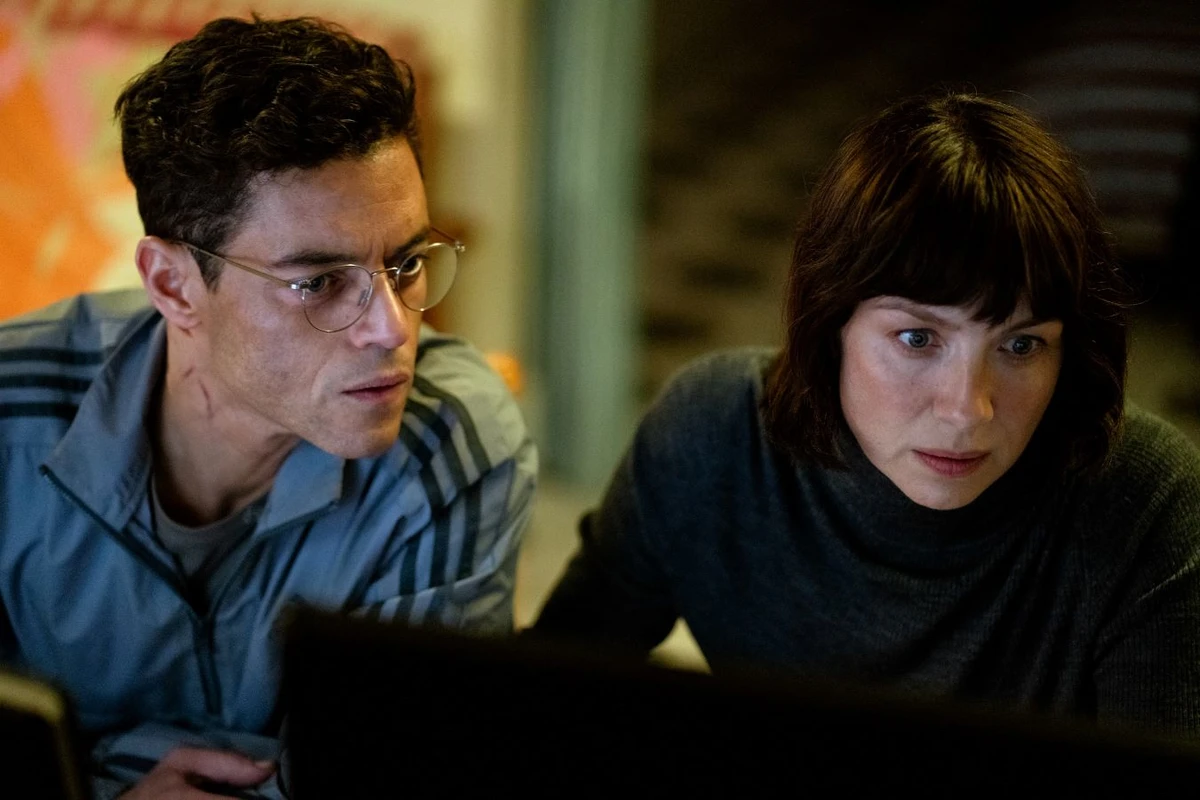
Balfe — the Irish actress and model known for her role as Claire Fraser in the historical drama “Outlander” — plays Inquiline Davies, Heller’s asset, a hacker with whom he communicates via secure messages online.
“Rami is amazing. I have known him socially for many years, but I always wanted to be able to work with him. And so when this project came along, I was so excited to be able to get that opportunity,” said Balfe.
“And he was an incredible producer as well. We had long, long days shooting, and he’s in practically every scene of the movie. And yet he would go home and watch the rushes from the day before, and he’d have his notes when he came in the next day about what was great, or maybe things that were missed, or script changes. It was a lot on his shoulders, but he was brilliant and very generous with his time. And very welcoming and kind to everybody too, which is so important.”
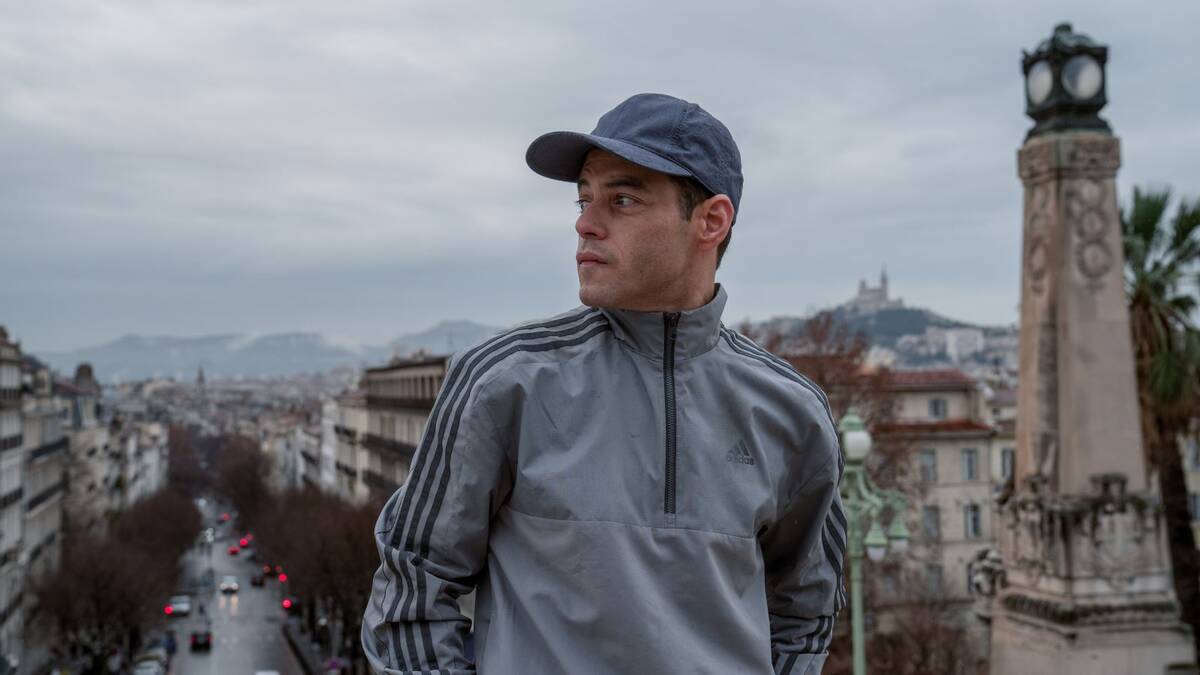
Balfe also revealed that, despite the time constraints of shooting a movie across multiple countries, “everybody was having so much fun” on set.
“Even though it was a very intense shoot and people were under real time pressure, it was such a lovely group of people to work with,” she says. “That was the best thing.”
British director Hawes is no stranger to the world of espionage drama, having worked on the acclaimed UK spy series “Slow Horses.”
“I’d been able to play in that world,” Hawes says. “Those are the kinds of films I’m drawn to — moody, atmospheric, but rooted in realism.”
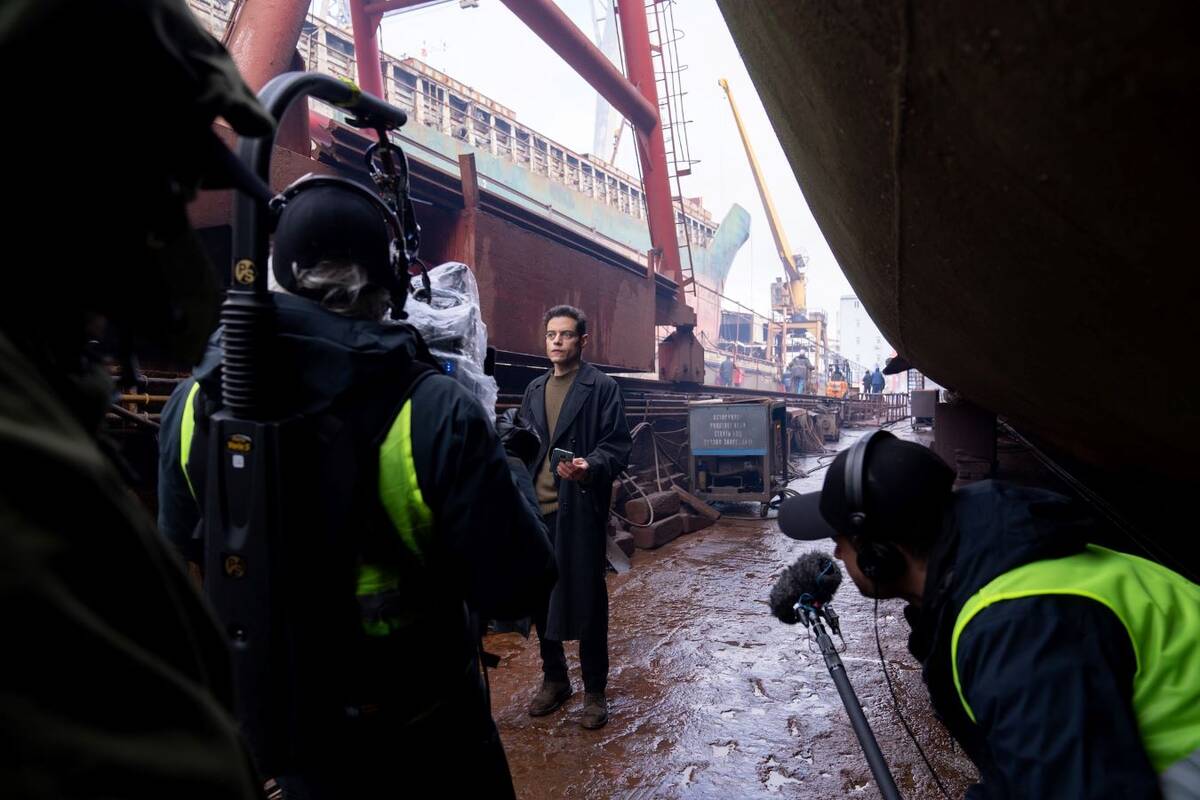
While “The Amateur” nods to classic spy thrillers, Hawes aimed to update the genre for today’s world. One major change was relocating key scenes from Prague — “a city more known for beer bikes than Cold War intrigue” — to Istanbul, which he felt offered an urgent, unpredictable energy.
“We wanted it to feel contemporary — not just in the politics, but in the tech, the pacing, the stakes,” he says. “Hopefully, it still carries the soul of those older stories, but in a way that speaks to now.”