ISLAMABAD: Prime Minister Shehbaz Sharif on Friday lauded the successful implementation of Pakistan’s Ramadan Relief Package 2025, praising the transparent use of digital wallets for fund distribution and instructing officials to adopt the model for future government programs, state media reported.
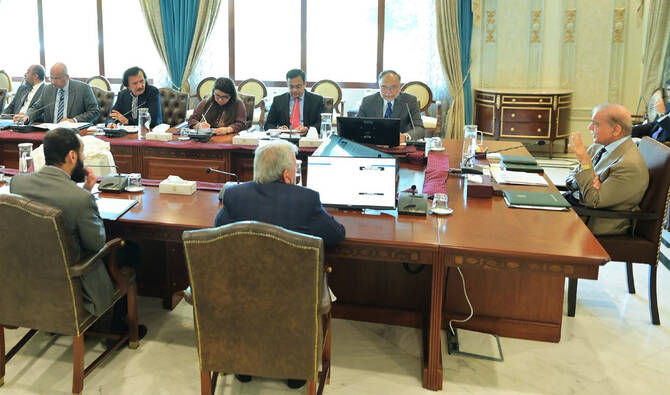
The premier made the comments during a meeting in Islamabad to review the execution of the nationwide relief scheme, which aimed to provide financial support during the Muslim fasting month of Ramadan.
The package, rolled out across the country including Gilgit-Baltistan and Azad Kashmir, utilized digital tools to deliver assistance to beneficiaries and was promoted as a step toward the country’s broader digital transformation agenda.
Under the initiative, aid was transferred directly into recipients’ digital wallets — secure mobile accounts linked to national ID numbers — allowing beneficiaries to access funds via mobile apps, ATMs or designated agents without needing a traditional bank account.
“Appreciating the effective and transparent implementation of the Ramazan Relief Package 2025, [the prime minister] directed the authorities concerned to emulate this model in future government schemes,” the Associated Press of Pakistan (APP) news agency reported the PM Office as saying.
It said 1.9 million digital payments were made and over 951,000 digital wallets used, marking what officials described as a significant move toward realizing the “Digital Nation Pakistan” vision.
More than 823,000 women and over 2,500 persons with disabilities accessed the funds through digital platforms, APP added.
Authorities said 79 percent of the allocated funds had been disbursed, with a team of 2,224 employees resolving over 1,200 complaints during the scheme’s implementation.
Millions of robocalls, SMS alerts and outbound calls were also made to raise awareness, the report added.


![]()

PM Sharif hails Ramadan relief success, orders digital wallet model for future welfare programs
Short Url
https://arab.news/rc9r4
PM Sharif hails Ramadan relief success, orders digital wallet model for future welfare programs
- Government transferred cash directly into digital wallets to provide Ramadan relief to deserving citizens
- Over 951,000 digital wallets were used and 1.9 million payments made, according to official statistics
Latest updates




© 2026 SAUDI RESEARCH & PUBLISHING COMPANY, All Rights Reserved And subject to Terms of Use Agreement.