CAIRO: Sudanese army chief Gen. Abdel Fattah Al-Burhan has ruled out any reconciliation with the paramilitary Rapid Support Forces in a video statement in which he vowed to crush the group.
“We will neither forgive, nor compromise, nor negotiate,” Al-Burhan said, adding that victory would only be complete when “the last rebel has been eradicated from the last corner of Sudan.” He also reaffirmed the military’s commitment to restoring national unity and stability. Burhan said fighters who “repent to the truth” could still be amnestied if they lay down their arms, particularly those who are in rebel-held areas.
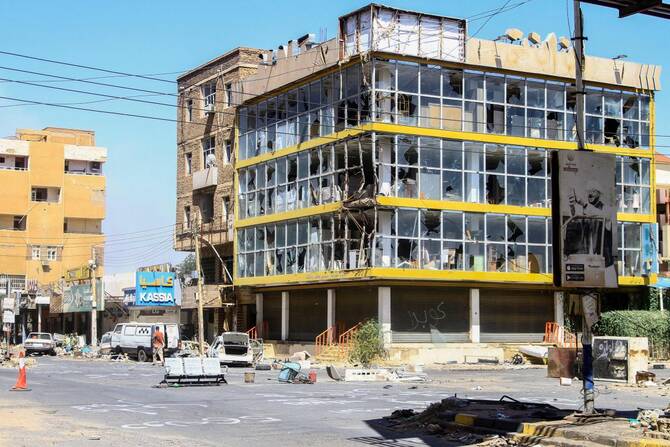
The Sudanese army has declared victory over the RSF in Khartoum, claiming control of most parts of the capital.
RSF chief Mohamed Hamdan Dagalo admitted in a speech to fighters that the group had withdrawn from Khartoum. “I confirm to you that we have indeed left Khartoum, but ... we will return with even stronger determination,” Dagalo said.
The conflict has unleashed waves of ethnic violence, created what the UN calls the world’s worst humanitarian crisis.


![]()

Sudan army chief vows no forgiveness for Dagalo’s men
Short Url
https://arab.news/csyf5
Sudan army chief vows no forgiveness for Dagalo’s men
- Al-Burhan extends control over Khartoum, reiterates commitment to restoring unity, stability

Latest updates


© 2026 SAUDI RESEARCH & PUBLISHING COMPANY, All Rights Reserved And subject to Terms of Use Agreement.