Siemens Energy secures $1.6bn power plant project in Saudi Arabia

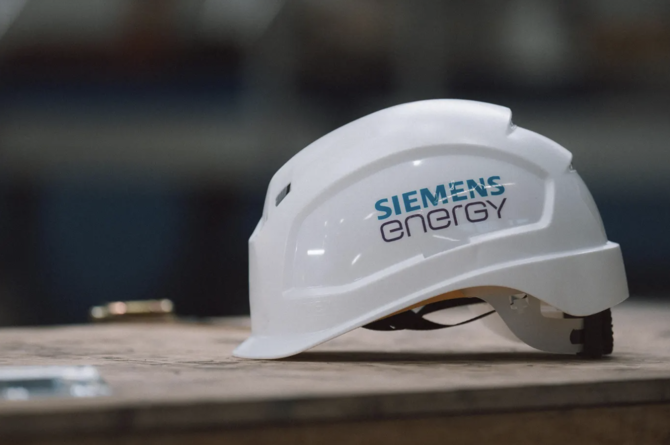
This order further strengthens Siemens Energy’s established presence in Saudi Arabia’s Independent Power Producer market. Siemens Energy
Short Url
Updated 12 March 2025
Follow

Siemens Energy secures $1.6bn power plant project in Saudi Arabia

BERLIN: Siemens Energy has been awarded a $1.6-billion project to provide technology for two gas-fired power plants in Saudi Arabia, the German company said on Wednesday.

The project will allow Rumah 2 and Nairyah 2 in the country’s western and central regions to add 3.6 gigawatts of power to the national grid, Siemens Energy said in a statement.

The project, with Harbin Electric International as a contractor, includes long-term maintenance agreements to support the plants’ operational reliability over the next 25 years, it added.

“Supplying key technologies for the Rumah 2 and Nairyah 2 power plants directly supports Saudi Arabia’s energy transition and its goal of achieving net zero emissions by 2060,” said Ahmed El-Serry, head of gas services sales, Middle East.

“By manufacturing critical components at our Siemens Energy Dammam Hub, this project further strengthens local production capabilities and builds expertise within the Kingdom, contributing to a more resilient energy sector,” he added.

This order further strengthens Siemens Energy’s established presence in Saudi Arabia’s Independent Power Producer market, solidifying its role in delivering a significant share of the Kingdom’s modern power generation.

The move will build on the success of previous projects such as Taiba 2 and Qassim 2 – which together added 4 GW to the national grid.


Free trade negotiations between GCC, India mark new phase of partnership, says sec-gen

Updated 24 February 2026
Follow

Free trade negotiations between GCC, India mark new phase of partnership, says sec-gen

RIYADH: The Gulf Cooperation Council’s secretary-general affirmed that the negotiations for a free trade agreement between the GCC and India, and the signing of the joint statement, represents a new phase of strategic partnership.

Jasem Mohamed Al-Budaiwi said that this contributes to enhancing close cooperation and strengthening economic and trade ties, according to the Saudi Press Agency.

This came during the signing ceremony of the joint statement on launching the free trade agreement negotiations between the Al-Budaiwi and India’s Minister of Commerce and Industry, Piyush Goyal, which took place in New Delhi, on Tuesday.

During the signing ceremony, Al-Budaiwi said that the Terms of Reference, signed on Feb. 5, provide a comprehensive and clear framework for these negotiations. The two nations agreed to discuss enhancing cooperation in vital strategic areas, including trade in goods, customs procedures, and services.

Additionally, the framework covers Sanitary and Phytosanitary measures, intellectual property rights, cooperation on Micro, Small, and Medium Enterprises, along with other topics of mutual interest. This reflects the comprehensive nature of the agreement and its ability to keep pace with the future economy.

Al-Budaiwi expressed hope that these negotiations would lead to a comprehensive and ambitious free trade agreement that works to remove customs and non-customs barriers, enhance the flow of quality investments in both directions, and achieve further liberalization in trade and investment cooperation between the GCC and India for mutual benefit. 

This would provide a stimulating economic environment and an investment climate that opens broad horizons for the business sector, supports supply chains, and accelerates the pace of economic growth in line with the ambitious developmental visions of the GCC states. 

The top official affirmed the full readiness of the General Secretariat to host the first round of negotiations at its headquarters in Riyadh during the second half of this year.

The two sides held a meeting during which they reviewed the existing cooperation relations between the GCC and India and discussed ways to develop and elevate them to broader horizons, serving mutual interests and enhancing opportunities for strategic partnership between the two sides, particularly in the economic, investment, and trade fields.

They praised the role undertaken by the negotiating teams from both sides, appreciating the efforts contributing to reaching a comprehensive agreement that enhances economic integration and supports the smooth flow of trade between the two nations.