BEIRUT: Lebanon’s Hezbollah is preparing for a massive turnout for the funeral on Sunday of its slain leader Hassan Nasrallah, an opportunity for a show of strength by the Iran-backed group after a bruising war with Israel.
Nasrallah’s death nearly five months ago in a huge Israeli strike on Beirut’s southern suburbs left Hezbollah supporters in disbelief and sent shockwaves across Lebanon and the region.
The country will stop for Sunday’s funeral, to be held at 1:00 p.m. (1100 GMT) at the Camille Chamoun sports stadium on the capital’s outskirts.
Hezbollah has announced strict security measures and urged security forces to help manage crowds that are expected to number in the tens of thousands, with people pouring in from Hezbollah strongholds across the country, as well as from abroad.
Hassan Wehbe, 60, an electrician in Beirut’s southern suburbs, said the funeral would be “a historic day.”
“There will be huge participation. Israel will see that we are not afraid,” he said.
Hezbollah has invited senior Lebanese officials including the president.
Its key foreign backer Iran has said it will participate “at a high level,” without specifying who will attend.
Nicholas Blanford, a Beirut-based Hezbollah expert and senior fellow at the Atlantic Council, said it was important for Hezbollah “to be able to demonstrate that they haven’t been cowed — that they are still a popular force” within the Shiite community.
The funeral “is going to be exactly the event for that,” he told AFP.
The ceremony is expected to last around an hour, including a speech by current leader Naim Qassem, who has called for a huge turnout.
A procession will follow to Nasrallah’s burial site near the airport road, now lined with yellow Hezbollah flags and images of him and other slain Hezbollah figures.
Civil aviation authorities said Beirut airport will close exceptionally and flights will be suspended from midday until 4:00 pm.
The US embassy has urged Americans to avoid the area.
Hezbollah was battered by more than a year of hostilities with Israel that culminated in two months of full-blown war before a ceasefire took effect on November 27.
After Nasrallah was killed on September 27, the group delayed his funeral due to security concerns.
The ceremony will also be for Hashem Safieddine, who was chosen to succeed Nasrallah before being killed in a later Israeli strike.
Safieddine will be buried on Monday in his southern hometown of Deir Qanun Al-Nahr.
The charismatic, bespectacled Nasrallah has long enjoyed cult status among his supporters.
For Ahmed Hallani, 35, taking part is “a religious and moral duty.”
Nasrallah is “our leader and the leader of our victories. We will stay beside him, alive or dead,” he said.
Iraqi Airways and Lebanon’s Middle East Airlines have increased services between Baghdad and Beirut ahead of the funeral.
Representatives of Iraq’s main pro-Iran factions are to participate, while several Iraqi lawmakers are expected to attend privately.
One of Hezbollah’s founders in 1982, Nasrallah was elected secretary-general a decade later after Israel killed his predecessor.
He won renown in the Arab world after Israel withdrew its troops from south Lebanon under relentless Hezbollah attack in May 2000, ending 22 years of occupation of the border strip.
Nasrallah’s years at the helm saw the group expand from guerrilla faction into the most powerful political force in Lebanon, only to be battered in the latest conflict.
Lebanon has said more than 4,000 people have been killed since hostilities began in October 2023, most of them after Israel ramped up its campaign in September, later sending in ground troops.
Among the dead are hundreds of Hezbollah fighters and a slew of senior commanders.
Israel has missed two deadlines to complete its withdrawal under the ceasefire agreement, and still has troops deployed in five places on the Lebanese side of the border after its latest pullback earlier this week.


![]()

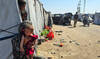
Hezbollah readies massive funeral for slain leader Nasrallah

Short Url
https://arab.news/9drtr
Hezbollah readies massive funeral for slain leader Nasrallah
- Hezbollah has announced strict security measures and urged security forces to help manage crowds
- Hassan Wehbe, 60, an electrician in Beirut’s southern suburbs, said the funeral would be “a historic day“


Latest updates




Recommended


© 2026 SAUDI RESEARCH & PUBLISHING COMPANY, All Rights Reserved And subject to Terms of Use Agreement.