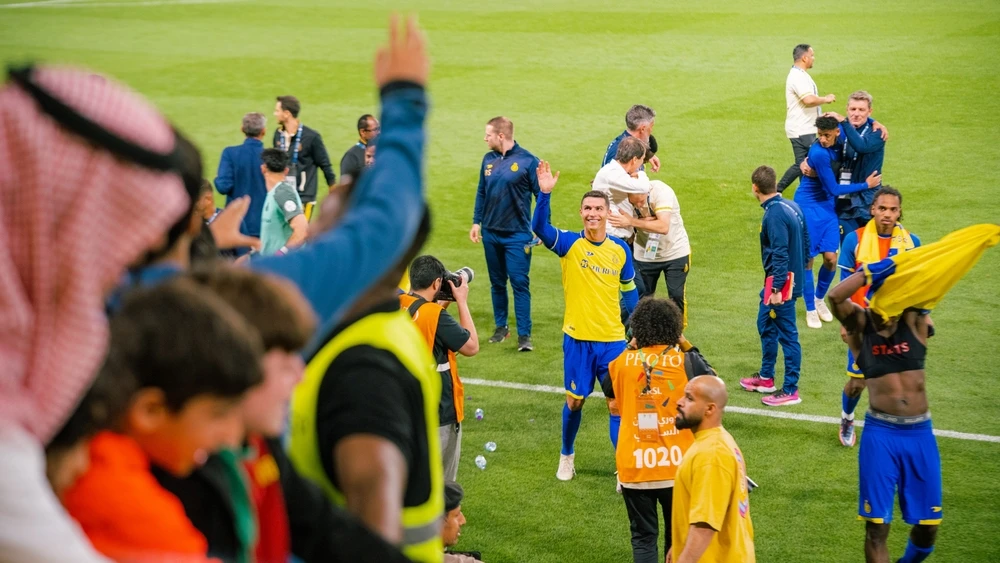
- Attracting global attention and investment is the plan, says expert
- Target: 1.5% of non-oil GDP from sports by 2030, creating 140,000 jobs
RIYADH: From Formula One to boxing, golf to the FIFA World Cup, Saudi Arabia is rapidly establishing itself as a global sports hub.
But beyond hosting world-class events, the Kingdom’s push is a key pillar of Vision 2030, its economic diversification strategy.
Saudi Arabia has secured hosting rights for major sporting events — including motorsports, tennis, and golf’s LIV Tour — aiming to boost tourism, create business opportunities, and generate revenue from ticket sales, sponsorships, and broadcasting rights.
Peter Daire, senior executive advisor of sports at PwC Middle East, highlighted the Kingdom’s long-term vision for sports as a major economic driver.
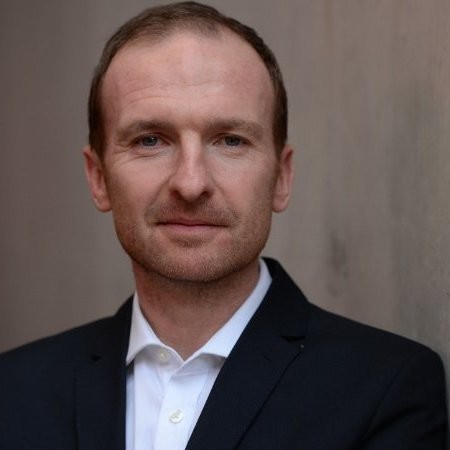
“According to our Global Sports Survey 2023, the Middle East sports sector, including Saudi Arabia, is expected to generate substantial economic value, with Saudi’s sports economy predicted to contribute up to $5.9 billion by 2030,” he said.
“This growth is driven by ongoing infrastructure projects and the expansion of world-class facilities across the Kingdom. Additionally, events like Formula E, the Saudi International Golf Tournament, Esports investments, and high-profile football matches in the Saudi Pro League have been a leading factor in attracting global attention and investment, further boosting the tourism and hospitality sectors,” Daire added.
Jurg Kronenberg, management consultant at Bain & Co., noted that Saudi Arabia aims to generate 1.5 percent of its non-oil gross domestic product from sports by 2030, creating over 140,000 jobs.
“Achieving this growth will require both infrastructure investments — such as World Cup stadiums, mass sports facilities — as well as sector activation, through privatization and professionalization of sports, new leagues and competitions, creation of local IP,” he said.
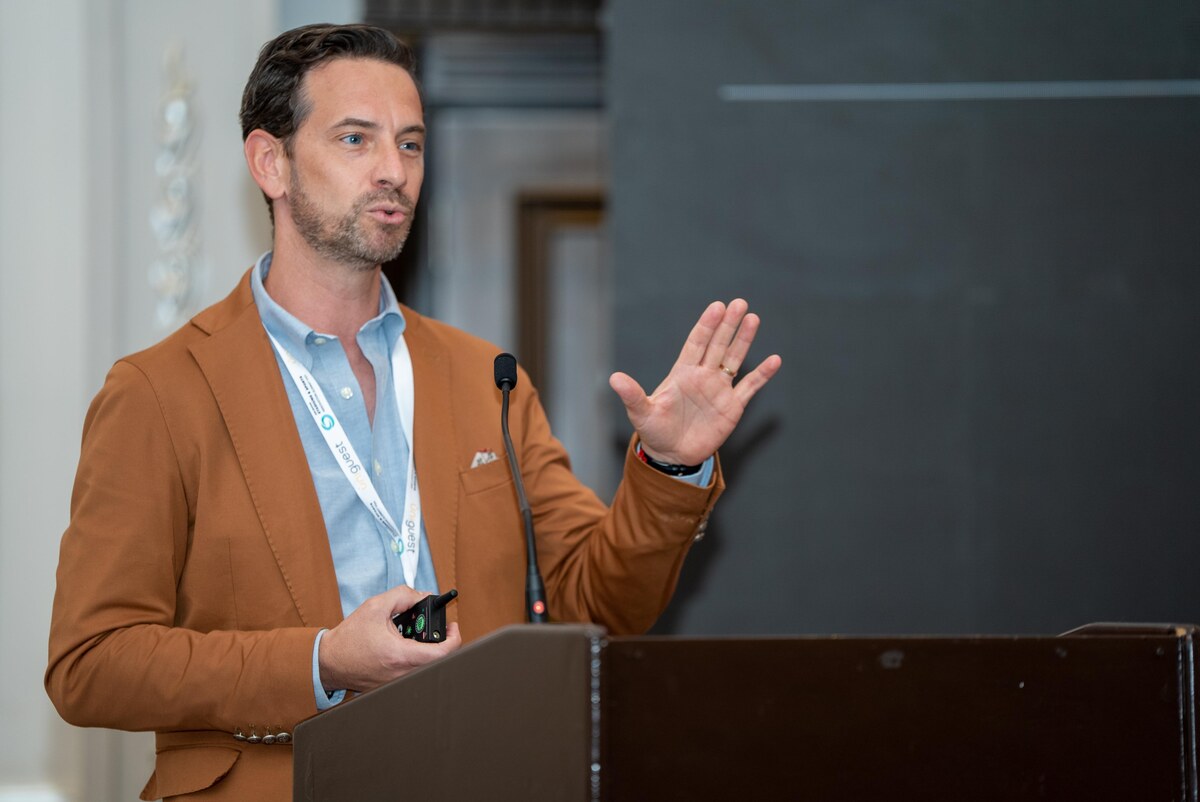
“Sports has a unique potential to be the catalyst of societal and economic change in KSA and to support the development of a vibrant economy,” Kronenberg added.
Daire emphasized that the government has prioritized the private sector’s involvement to foster a vibrant ecosystem for sports business.
“Partnerships with European football clubs and players have helped position Saudi Arabia as a central player in the international sports landscape.
“In addition to this, developing local talent within the Kingdom, and ensuring a long-term legacy of Saudi sport business expertise is of key importance for the sector,” Daire said.
He noted that integrating cutting-edge technologies — such as AI, data analytics, and digital media — into sports management and fan engagement is driving growth across multiple industries.
Mega infrastructure and investments
Kronenberg pointed out that Saudi Arabia’s sports strategy includes landmark projects like the 11 state-of-the-art stadiums planned for FIFA World Cup 2034 and Riyadh’s 135-km Sports Boulevard.
Beyond high-profile venues, large-scale infrastructure projects are being developed to encourage mass sports participation, alongside financial incentives to professionalize clubs.
“In football, a bold privatization initiative is underway, transitioning historically state-owned clubs to private ownership,” Kronenberg said.
“Beyond football, Saudi Arabia is cultivating a diversified sports ecosystem, investing into the professionalization of several existing sports and supporting emerging disciplines,” he added.
Kronenberg said this approach is accelerating economic diversification by creating new revenue streams, investment opportunities, and valuable intellectual property.
Federico Pienovi, chief business officer and CEO for APAC and MENA at Globant, highlighted Saudi Arabia’s strategic investment of over $2 billion into sports infrastructure, events, and global partnerships.

“With major events like the Asian Games and FIFA World Cup 2034 on the horizon, the Saudi government is shaping a multi-billion-dollar sports ecosystem primed for growth,” Pienovi said.
He explained that Saudi Arabia’s giga-projects, including Qiddiya Entertainment City, are fertile ground to combine advanced tech with the passion for sports, making the Kingdom a world-class destination.
Shahid Khan, partner and global head of media, entertainment, sports, and culture at Arthur D. Little, emphasized that signing global stars like Cristiano Ronaldo and Karim Benzema has boosted the Saudi Pro League’s international profile, attracting sponsors and increasing viewership.
“Developing league infrastructure and operations supports the league’s competitive edge and market value. These investments increase tourism, promote national pride, and inspire local talent to pursue professional football careers,” he said.
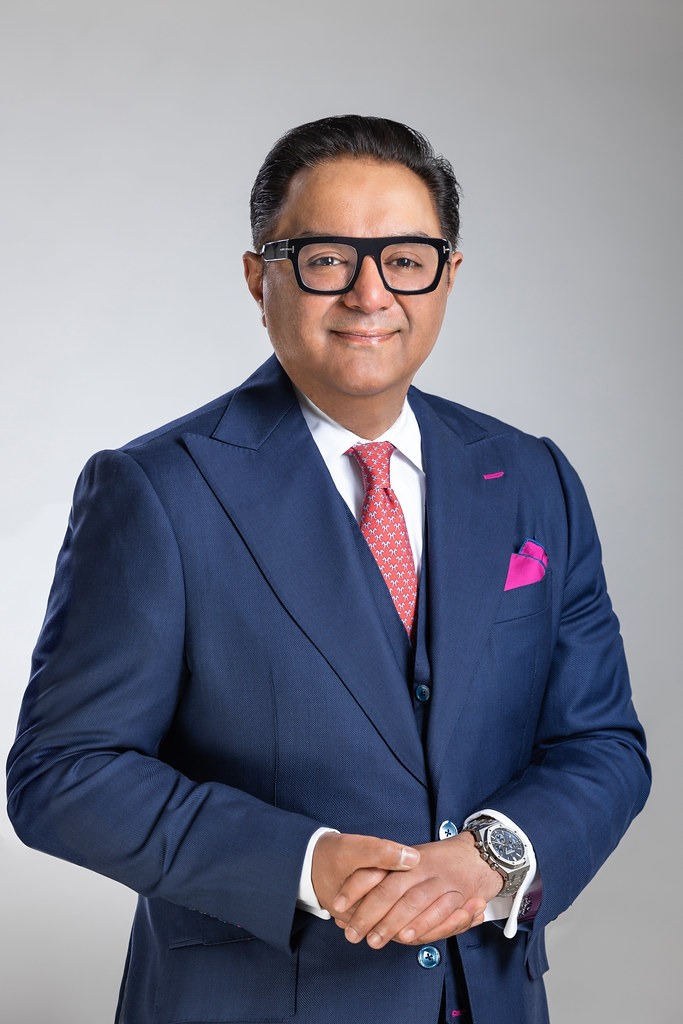
Khan added that these efforts integrate Saudi Arabia more deeply into the global football ecosystem, generating revenue from broadcasting and sponsorships.
Ivan Shapochkin, a principal at Oliver Wyman’s Dubai office, pointed out that with the global sports industry expected to near $1 trillion by 2030, Saudi Arabia is aligning its sports vision with future-ready strategies.
“By quadrupling its sports economy by 2030, with private sector contributions driving at least 25 percent, Saudi Arabia is reaping direct revenues from ticket sales, media rights, sponsorships, and merchandising.
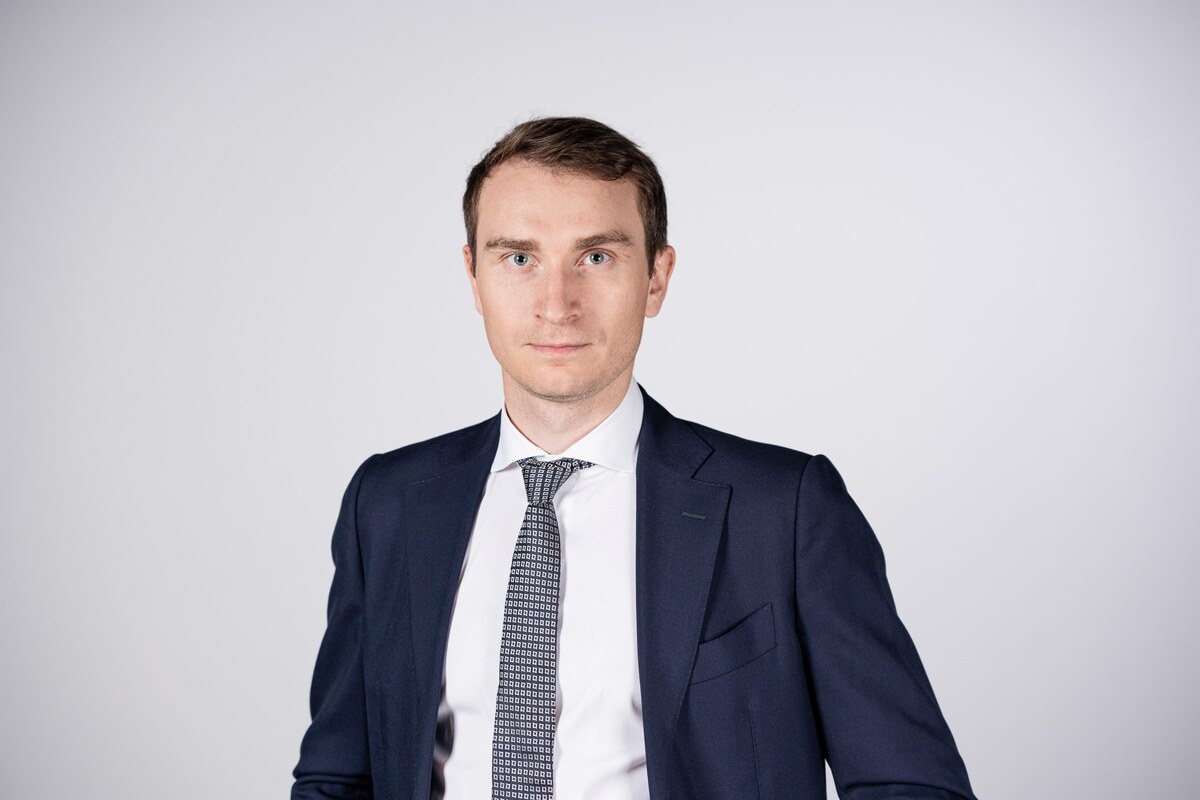
“Beyond this, sports are invigorating tourism, hospitality, and transport sectors, creating ripple effects across the broader economy,” Shapochkin said.
Given the nascency of the sports ecosystem in Saudi Arabia, the sector provides a particular opportunity for entrepreneurs and investors to help shape the industry and leapfrog others, according to Bain & Co.’s Kronenberg.
“This might include use cases like new ownership models and fan engagement through tokenization, unique voting rights, or new channels and technologies to stream matches,” he said.
Kronenberg said the Kingdom could be the test ground for a whole set of new technologies with a young and tech-savvy population, as well as an ecosystem that encourages a “clean slate” approach to technology deployment.
PwC’s Daire emphasized that Saudi Arabia is embracing digital transformation in sports, incorporating AI, virtual reality, and blockchain to enhance athlete performance and fan experience.
“According to our latest esports report ‘Centre of the Game,’ technology is enabling smarter sports management, real-time data analysis for performance improvement, and immersive fan experiences, from virtual stadium tours to personalized content,” he said.
“This transformation is not only improving operational efficiencies within the sports sector but also generating new revenue streams, such as data-driven sponsorships, and virtual fan engagement platforms,” Daire added.
Sports-tech on the Rise
Shapochkin of Oliver Wyman pointed out that globally, one in three sports fans now consume games on digital platforms, signaling a shift toward personalized, tech-driven engagement.
“The sports-tech market is expected to surpass $40 billion by 2027, driven by innovations like AR/VR (Augmented Reality/Virtual Reality), performance tracking, eSports, and AI-powered analytics.
“Saudi Arabia, with its youthful, tech-savvy population and strategic investments through entities like SAVVY Gaming Group and PIF (Public Investment Fund), is at the forefront of this shift,” he said.
Shapochkin also noted that eSports alone is projected to contribute over $13 billion to the Saudi economy by 2030.
As Saudi Arabia continues hosting major events like the 2029 Asian Winter Games and FIFA World Cup 2034, the adoption of smart venues, Internet of Things applications, and advanced crowd management systems is expected to accelerate.
With sports and technology merging, Saudi Arabia is not just redefining its role in the global sports industry — it is shaping the future of sports business.