ISLAMABAD: Pakistan and Azerbaijan have resolved to strengthen their partnership in infrastructure, energy and trade sectors, the Pakistani government said on Saturday, following high-level meetings between officials of the two countries in Baku.
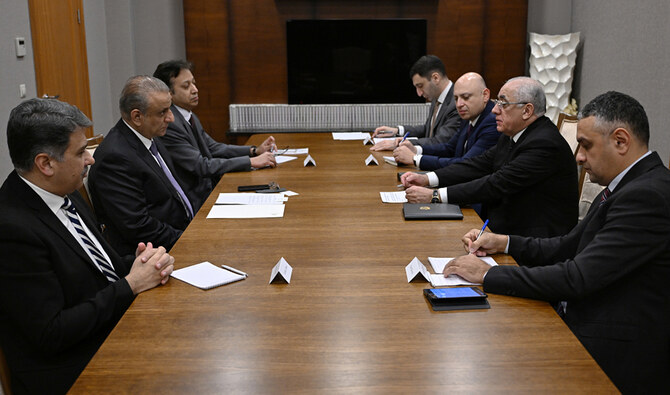
Pakistan’s Minister of Investment, Privatization and Communications Abdul Aleem Khan met with Azerbaijan Prime Minister Ali Asadov and discussed with him avenues for enhancing bilateral cooperation, according to the Press Information Department (PID) of the Pakistani government.
The discussions focused on expanding economic collaboration, with Khan highlighting vast investment opportunities in Pakistan, particularly in privatization of state-owned enterprises (SOEs). He also invited Azerbaijan to invest in Pakistan’s motorway and other key sectors.
During the visit, the Pakistani delegation engaged in discussions with Azerbaijan’s Energy Minister Parviz Shahbazov, Transport Minister Rashad Nabiyev, Deputy Minister of Economy Samad Bashiri and President of the State Oil Company of the Republic of Azerbaijan (SOCAR), Rovshan Najaf.
“The meetings explored opportunities for mutual investment in various sectors, including infrastructure development, energy, and trade,” the PID said in a statement. “Additionally, discussions covered the privatization of government-run enterprises and other key investment initiatives.”
The meetings were also attended by Lt. Gen. Sarfaraz Ahmed, coordinator of Pakistan’s Special Investment Facilitation Council (SIFC), Federal Secretary Petroleum Momin Ali Agha and other senior officials.
Welcoming the Pakistani delegation, PM Asadov praised Pakistan’s recent economic advancements and assured Azerbaijan’s support in increasing bilateral trade and investment.
The development comes amid Islamabad’s efforts to forge closer ties, especially in trade and investment, with Central Asian states as Pakistan treads a tricky path to economic recovery. There have been a series of visits by Azerbaijani officials to Pakistan in recent months, with Azerbaijan President Ilham Aliyev visiting Pakistan in July 2024 and announcing the two nations were working to increase bilateral trade to $2 billion.
“The visit also included a review of progress on various Memorandums of Understanding (MoUs) between Pakistan and Azerbaijan. Special discussions were held on developing trade corridors, rail networks, and other communication links between Pakistan and Central Asian states to enhance regional connectivity,” the PID said.
“This visit marks another step toward deepening economic and strategic ties between Pakistan and Azerbaijan, paving the way for expanded cooperation in trade, investment, and infrastructure development.”
Last month, Pakistan’s Defense Minister Khawaja Asif said Islamabad and Baku were in the process of finalizing an agreement to enhance security ties through cooperation in arms trade, defense infrastructure and intelligence sharing.
In Dec. 2024, Pakistan waived customs and regulatory duties on imports from Azerbaijan under the Pakistan-Azerbaijan Preferential Trade Agreement. The agreement aimed to boost economic cooperation by reducing tariffs on goods like Pakistan’s sports equipment, leather, and pharmaceuticals and Azerbaijan’s oil and gas products.


![]()

Pakistan, Azerbaijan aim to strengthen partnership in infrastructure, energy and trade
Short Url
https://arab.news/px5a2
Pakistan, Azerbaijan aim to strengthen partnership in infrastructure, energy and trade
- The development comes as Islamabad seeks closer ties, especially in trade and investment, with Central Asian states to overcome an economic crisis
- In July last year, Azerbaijan President Ilham Aliyev visited Pakistan and announced the two nations were working to increase bilateral trade to $2 billion
Latest updates




Recommended


© 2026 SAUDI RESEARCH & PUBLISHING COMPANY, All Rights Reserved And subject to Terms of Use Agreement.