KARACHI: The Reko Diq copper and gold project in Pakistan is expected to generate approximately $74 billion in free cash flow over the next 37 years, based on consensus long-term prices, the CEO of joint owner Barrick Gold said in a media interview.
Barrick Gold owns a 50 percent stake in the Reko Diq mine and the governments of Pakistan and the province of Balochistan own the other 50 percent. Barrick considers the mine one of the world’s largest underdeveloped copper-gold areas, and its development is expected to have a significant impact on Pakistan’s struggling economy.
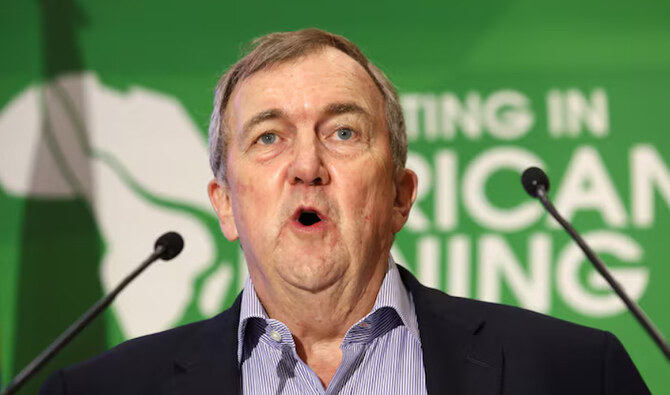
The project, which was delayed due to a long running dispute that ended in 2022, is expected to start production by the end of 2028. It will produce 200,000 tons of copper per year in its first phase, with an estimated cost of $5.5 billion. The first phase is expected to be completed by 2029, Barrick’s CEO Mark Bristow told Pakistani digital media outlet Dawn News English.
A second phase, estimated to cost $3.5 billion, will double production, he added.
The mine is estimated to have reserves lasting 37 years but Bristow said that through upgrades and expansions it could potentially be mined for much longer.
A free cash flow of $74 billion could generate significant dividends, royalties and taxes for Pakistan, which currently has only around $11 billion in foreign reserves.
Barrick is also in talks with railway authorities and infrastructure providers to revamp the coal terminal in Port Qasim, on the outskirts of Pakistan’s port city Karachi, to develop infrastructure to transport copper in the country and for export.
Bristow said the project’s timeline is on track, with fencing, accommodation, and surveys already completed.
Saudi Arabian mining company Manara Minerals could invest in Pakistan’s Reko Diq mine in the next two quarters, Pakistani Petroleum Minister Musadik Malik said last week.
Executives from Manara visited Pakistan in May last year for talks about buying a stake in the project. Pakistan is also in talks with other Gulf countries about mining opportunities, Malik said.


![]()

Pakistan’s Reko Diq mine to generate $74 billion in free cash flow over 37 years — Barrick CEO
Short Url
https://arab.news/5z8hk
Pakistan’s Reko Diq mine to generate $74 billion in free cash flow over 37 years — Barrick CEO
- Bristow says project’s timeline on track, with fencing, accommodation, and surveys already completed
- Saudi mining firm Manara Minerals could invest in Reko Diq in next two quarters, Pakistani petroleum minister has said


Latest updates


© 2026 SAUDI RESEARCH & PUBLISHING COMPANY, All Rights Reserved And subject to Terms of Use Agreement.