KABUL: The UN mission to Afghanistan on Thursday called for an investigation into Pakistani air strikes in Afghanistan, in which the Taliban government said 46 people were killed, including civilians.
The United Nations Assistance Mission in Afghanistan (UNAMA) said it had “received credible reports that dozens of civilians, including women and children, were killed in airstrikes by Pakistan’s military forces in Paktika province, Afghanistan, on 24 December.”
“International law obliges military forces to take necessary precautions to prevent civilian harm,” the agency said in a statement, adding an “investigation is needed to ensure accountability.”
The Taliban government said the 46 deceased were mainly women and children, with another six wounded, mostly children.
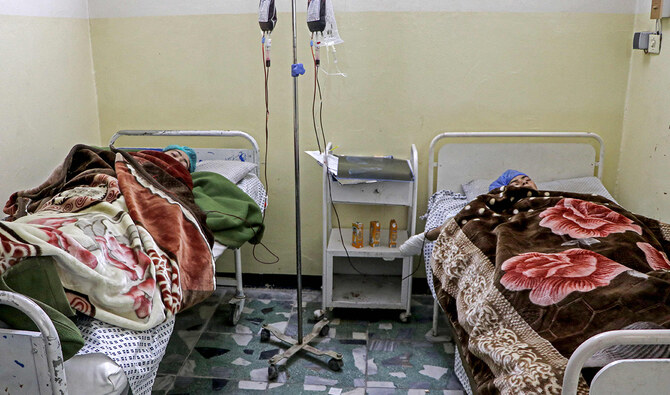
An AFP journalist saw several wounded children in a hospital in the provincial capital Sharan, including one receiving an IV and another with a bandaged head.
A Pakistan security official told AFP on Wednesday the bombardment had targeted “terrorist hideouts” and killed at least 20 militants, saying claims that “civilians are being harmed are baseless and misleading.”
On a press trip to the area organized by Taliban authorities, AFP journalists saw four mud brick buildings reduced to rubble in three sites around 20-30 kilometers (10-20 miles) from the Pakistan border.
AFP spoke to multiple residents who said the strikes hit in the late evening, breaking doors and windows in villages and destroying homes and an Islamic school.
Several residents reported pulling bodies from the rubble after strikes targeted houses, killing multiple members of the same families.
Afghanistan’s Minister of Borders and Tribal Affairs Noorullah Noori called the attack “a brutal, arrogant invasion.”
“This is unacceptable and won’t be left unanswered,” he said during the site visit.
Pakistani foreign ministry spokesperson Mumtaz Zahra Baloch did not confirm the strikes but told a media briefing on Thursday: “Our security personnel conduct operations in border areas to protect Pakistani from terror groups, including TTP.”
She was referring to the Tehreek-e-Taliban Pakistan (TTP) — Pakistan’s homegrown Taliban group which shares a common ideology with its Afghan counterpart.
The TTP last week claimed a raid on an army outpost near the border with Afghanistan in which Pakistan said 16 soldiers were killed.
Baloch said Pakistan prioritized dialogue with Afghanistan, and that Islamabad’s special envoy, Sadiq Khan, was in Kabul meeting with officials where “matters of security” and “terror groups including TTP” were discussed.
The strikes were the latest spike in hostilities on the frontier between Afghanistan and Pakistan, with border tensions between the two countries escalating since the Taliban government seized power in 2021.
Islamabad has accused Kabul’s authorities of harboring militant fighters, allowing them to strike on Pakistani soil with impunity — allegations Kabul denies.


![]()

UN calls for investigation into Pakistan’s alleged air strikes on Afghanistan border
Short Url
https://arab.news/mh22j
UN calls for investigation into Pakistan’s alleged air strikes on Afghanistan border
- UN mission in Afghanistan says dozens of civilians killed in airstrikes this week by Pakistan in Paktika province
- Islamabad accuses Kabul of harboring militant fighters, allowing them to strike on Pakistani soil with impunity
Latest updates


Recommended


© 2026 SAUDI RESEARCH & PUBLISHING COMPANY, All Rights Reserved And subject to Terms of Use Agreement.