



RIYADH: “Art is a driver for creativity and beauty,” Bahraini artist Sheikha Hala Bint Mohammed Al-Khalifa, CEO of the Nuwah Foundation, said in an interview with the region’s leading Arabic lifestyle magazine for women, Sayidaty, for its December cover story to mark Bahrain’s National Day.
Among other topics, including her own artistic process, the conversation covered the role that cultural institutions can play in boosting knowledge, raising awareness of history, and stimulating creativity — all ways of assisting the advancement of society. Aside from her work with the Nuwah Foundation — which, according to its website, “empowers changemakers that illuminate our collective future … (to build) a creative, healthy and prosperous society in the Middle East and North Africa” — Sheikha Hala has also developed a wide range of programs, including “Food is Culture,” as well as documentaries as part of the Oral History Project. She also contributed to preserving intangible heritage and took part in Bahrain’s Artist in a School initiative.
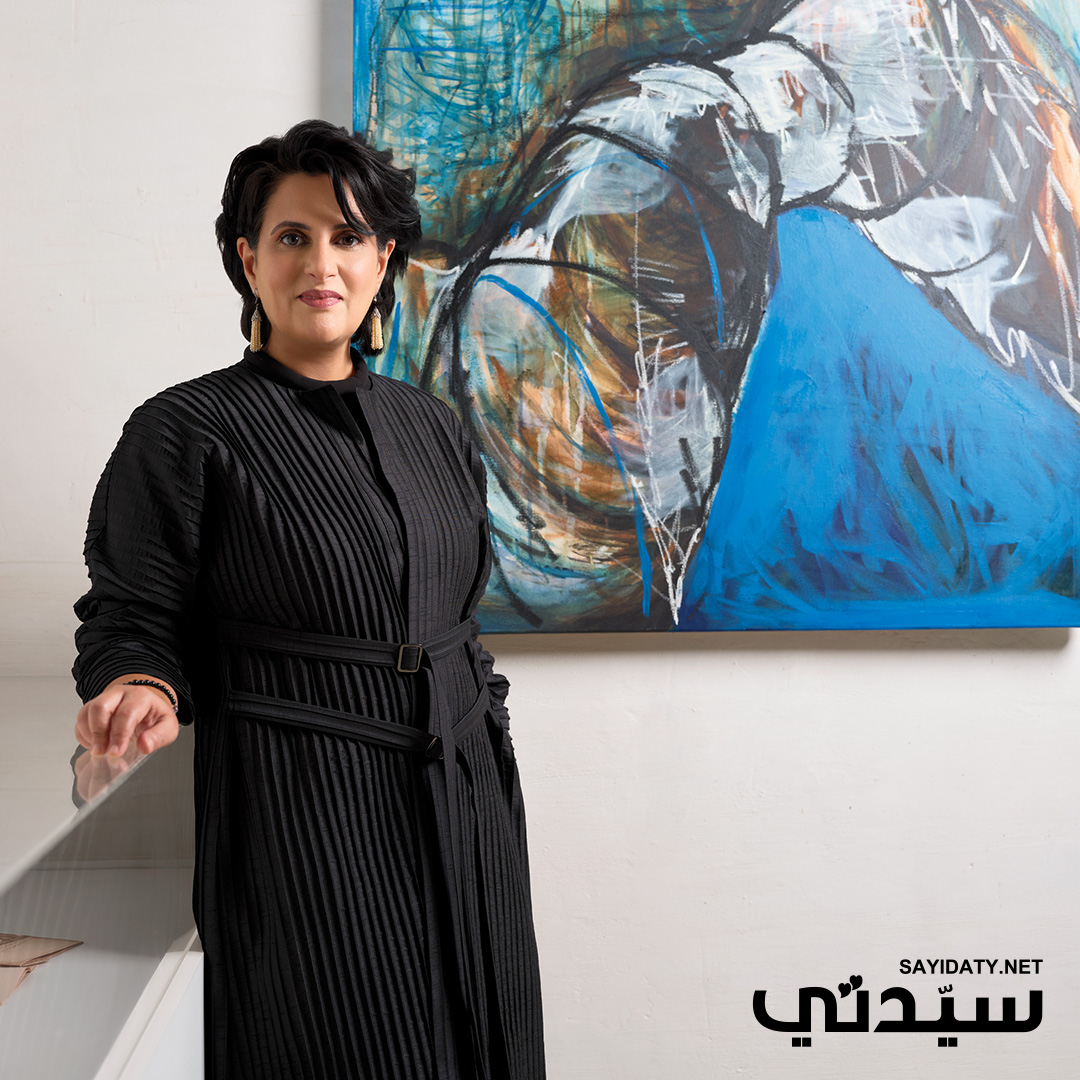
Sheikha Hala spoke about the role that cultural institutions can play in boosting knowledge. (Courtesy: Sayidaty magazine/Ali Rifai)
Sheikha Hala stated that her passion for the arts was inherited from her mother, Sheikha Mai bint Mohammed Al-Khalifa — a prominent figure in the regional cultural scene and the daughter of a senior member of the Bahraini royal family — who, she said, taught her that history fuels perceptions of the present and that historians can feed museums’ contemporary insights and the way societies are presented through their artistic heritage.
“I belonged to the world of art from a young age; it has always been my inspiration and an integral part of who I am,” Sheikha Hala said. “Fine art and colors have the greatest impact in my heart — they awaken something in my soul. And culture is part of the vibrant fabric of any society. Our heritage — its beauty and diversity — constitutes all parts of my identity.
“I am truly grateful for my family’s support — it is one of the most important foundations for building self-confidence and motivating people to pursue their dreams,” she continued. “My parents are my biggest supporters, and because of them I was able to study art at university. For the record, none of them objected to me entering this field.”
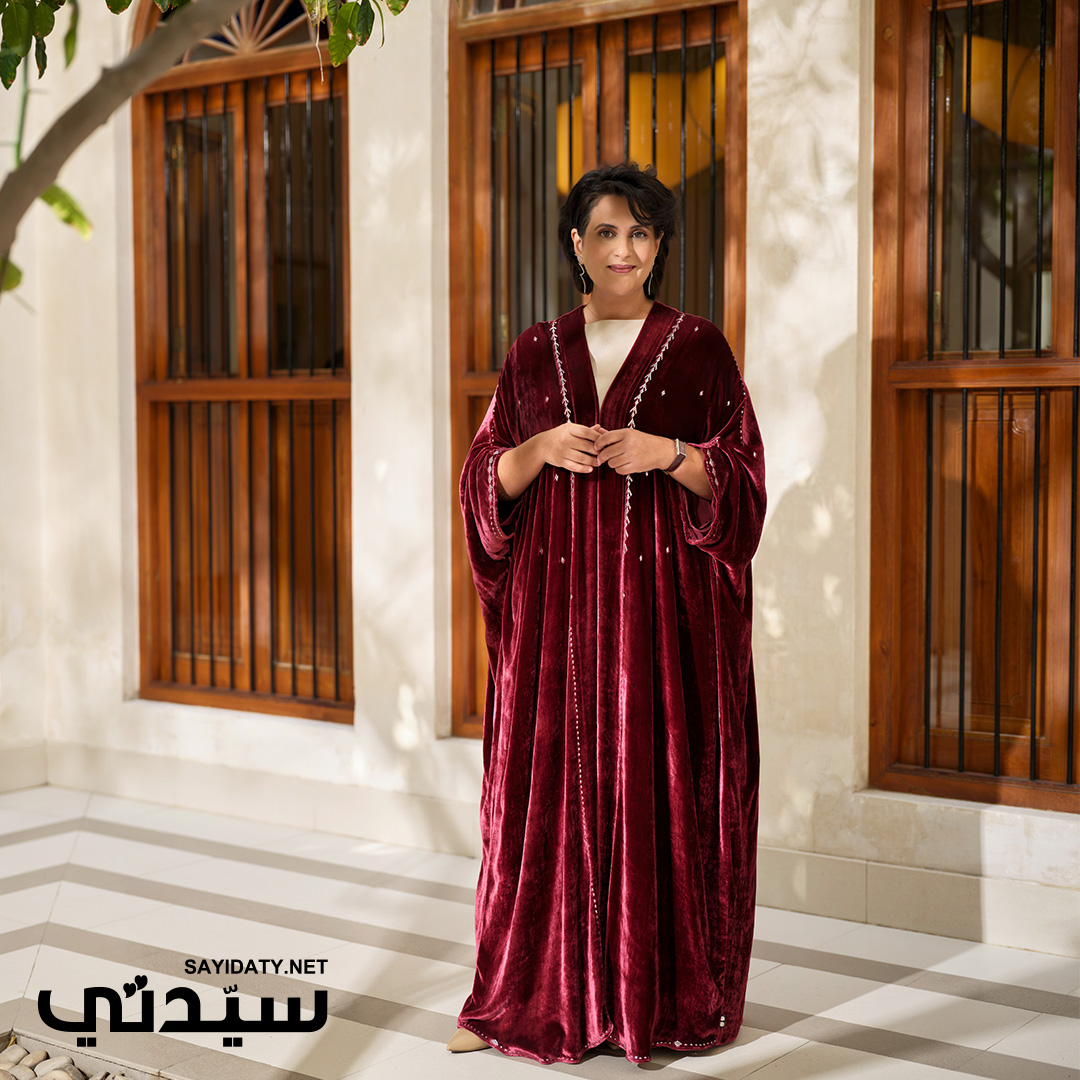
Sheikha Hala advises young artists to draw inspiration from culture, local identity, and personal experiences. (Courtesy: Sayidaty magazine/Ali Rifai)
Art has always been a vital part of self-expression for Sheikha Hala. “Art, for me, translates the psychological state surrounding me. In many instances, it’s anxiety that generates an important painting,” she said. She elaborates on this thought on her website, where she has written: “While painting I am in a turbulent state of tension — the making of art has never been a harmonious exercise for me.”
Sometimes, she told Sayidaty, the driving force behind a piece is a specific message. “In many of my works, there are distinct messages, such as the subject of the gargoor — a traditional fishing tool — which repeatedly appeared in many pieces I worked on. There’s also the theme of war, displacement, and the use of boats to transport people from one place to another in search of a better and safer life,” she said. The latter is seen particularly in her series “Fate.”
Sheikha Hala is one of many women from prominent Gulf families patronizing and promoting the arts through various initiatives. “Gulf women have made an obvious mark on our society. In the artistic and cultural arena, for example, there are women who, through their education and passion, have started a clear renaissance and we are proud of their creativity,” she told Sayidaty. “I see in (today’s women) the continuity of their grandmothers’ and family’s past. I think modern Gulf women took the most beautiful legacy, and worked on communicating their countries’ identities to the world.”
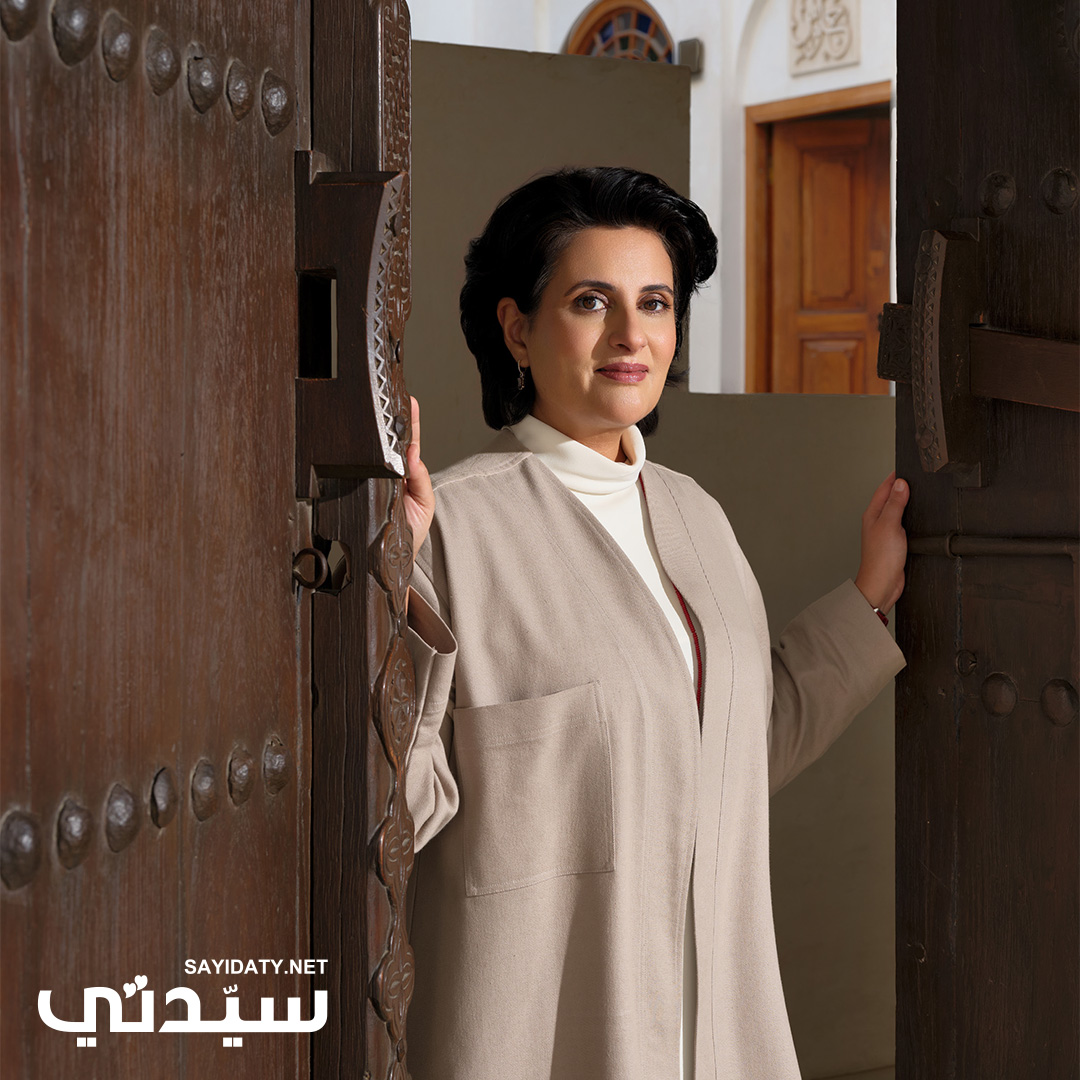
Sheikha Hala has worked on developing a wide range of programs, including “Food is Culture,” as well as documentaries as part of the Oral History Project. (Courtesy: Sayidaty magazine/Ali Rifai)
Part of this communication, she stressed, is informing the public about the region’s artistic and cultural history. “I believe that the Arab identity is present in the mind of this generation’s artists,” she said. “However, I regret to say that we tend to resort to foreign languages when we speak and write as an easier path to expression, and we forget the depth and importance of maintaining our identity through our Arabic language. I really hope that the new generation of artists will go back to this rich language and take pride in it, so it can withstand the challenges of globalization.” She cited the words of the great Egyptian poet Ahmed Shawqi when he wrote about Arabic: “He who filled languages with charms, instilled beauty and its secret into the Arabic language.”
Sheikha Hala also offered further advice to young creatives. “Always open the door to knowledge, listen to every new idea, and draw inspiration from their culture, local identity, and personal experiences,” she said. “This ensures that the work is genuine and carries a part of who you are. Every artist has their own language of expression, but when presenting an art piece, their message must be profound and carry something unique to them.
“The challenge faced by any artist is to be true to their art — to present work that stirs emotions and creates a unique imprint,” she continued. “This is the biggest challenge.”
This article is based on a Q&A first published in Arabic in Sayidaty magazine on Dec. 15, 2024.


