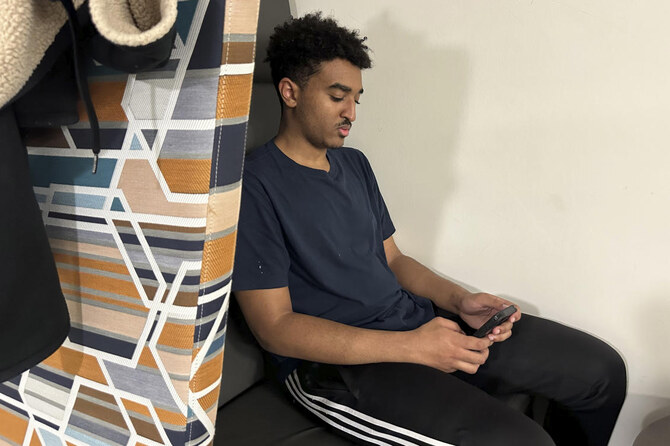
Nearly half of American teenagers say they are online “constantly” despite concerns about the effects of social media and smartphones on their mental health, according to a new report published Thursday by the Pew Research Center.
As in past years, YouTube was the single most popular platform teenagers used — 90 percent said they watched videos on the site, down slightly from 95 percent in 2022. Nearly three-quarters said they visit YouTube every day.
There was a slight downward trend in several popular apps teens used. For instance, 63 percent of teens said they used TikTok, down from 67 percent and Snapchat slipped to 55 percent from 59 percent. This small decline could be due to pandemic-era restrictions easing up and kids having more time to see friends in person, but it’s not enough to be truly meaningful.
X saw the biggest decline among teenage users. Only 17 percent of teenagers said they use X, down from 23 percent in 2022, the year Elon Musk bought the platform. Reddit held steady at 14 percent. About 6 percent of teenagers said they use Threads, Meta’s answer to X that launched in 2023.
The report comes as countries around the world are grappling with how to handle the effects of social media on young people’s well-being. Australia recently passed a law banning kids under 16 from social networks, though it’s unclear how it will be able to enforce the age limit — and whether it will come with unintended consequences such as isolating vulnerable kids from their peers.
Meta’s messaging service WhatsApp was a rare exception in that it saw the number of teenage users increase, to 23 percent from 17 percent in 2022.
Pew also asked kids how often they use various online platforms. Small but significant numbers said they are on them “almost constantly.” For YouTube, 15 percent reported constant use, for TikTok, 16 percent and for Snapchat, 13 percent.
As in previous surveys, girls were more likely to use TikTok almost constantly while boys gravitated to YouTube. There was no meaningful gender difference in the use of Snapchat, Instagram and Facebook.
Roughly a quarter of Black and Hispanic teens said they visit TikTok almost constantly, compared with just 8 percent of white teenagers.
The report was based on a survey of 1,391 US teens ages 13 to 17 conducted from Sept. 18 to Oct. 10, 2024.


![]()

Nearly half of US teens are online ‘constantly,’ Pew report finds
Short Url
https://arab.news/wjcff
Nearly half of US teens are online ‘constantly,’ Pew report finds
- YouTube was the single most popular platform teenagers use
Latest updates



Recommended



© 2026 SAUDI RESEARCH & PUBLISHING COMPANY, All Rights Reserved And subject to Terms of Use Agreement.