
DUBAI: London might be the UK’s capital, and the center of Britain’s financial and political power, but visitors seeking the true heart of England should head to the two great northern cities of Manchester and Liverpool. Here, two of the main pillars of English popular culture — football and music — take center stage.

Inside Liverpool FC's Anfield stadium. (Supplied)
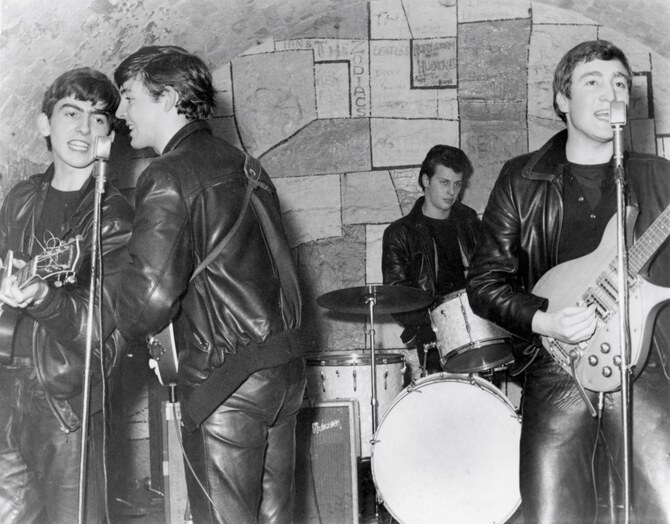
As part of the British government’s attempts to raise awareness of tourism opportunities outside of London, Arab News went on a press trip in November that delved deep into the rich cultural history of both cities. The two have much in common. Each has two Premier League football teams — one red, one blue — and in each the red team has historically been far more successful (although in Manchester, that gap is narrowing rapidly). And both have been the focus of movements that have changed the face of pop music: the ‘Madchester’ scene of the late Eighties/early Nineties, and the Merseybeat scene of the Sixties, from which emerged the band often hailed as the greatest of all time, The Beatles — four Liverpool lads who grew up within a few miles of each other, three of whom, it turned out, were among the finest songwriters to have ever lived. (The other was Ringo Starr, who, to be fair, was a metronomic and creative drummer crucial to The Beatles’ sound).

Manchester's Halle Orchestra at Bridgewater Hall. (Photo by Alex Burns)
In Liverpool, our base is the majestic Titanic hotel, named for the ill-fated liner, which was registered in Liverpool. Thankfully, it lives up to that name only in its impressive scale — even the corridors are enormous — and is anything but a disaster for its guests, providing service and accommodation that would be the envy of any luxury cruise ship.
It’s part of the regeneration of Liverpool’s docks, and sits just around the corner from Everton’s new stadium, which will be inaugurated at the start of next season (several of our taxi drivers joke that it will be the most impressive stadium in England’s second tier once Everton — Liverpool’s blue team — are relegated this year). But it’s Anfield, home of Liverpool FC, that is globally renowned. We attend the late kick-off against Aston Villa on Nov. 10, and experiencing a game live is the best way to truly understand just how much significance football holds in English culture. While you get a better view of the action watching on television, that’s more than compensated for by the atmosphere — tens of thousands of people gasping, groaning, singing and roaring in unison.

One of the rooms at the Titanic hotel in Liverpool. (Supplied)
Most English football grounds are now far more welcoming than their reputation suggests — women and children commonly attend, and Liverpool can count many from the Arab world among their supporters thanks to the impact of Egyptian superstar Mo Salah — but the language remains industrial. So if you want to experience a Premier League stadium without the man in the seat in front of you advising the referee exactly where to put his whistle, maybe opt for a tour on a non-matchday. The Anfield one offers a comprehensive journey through Liverpool’s trophy-laden history, right up to the just-ended Jurgen Klopp era, with some great stories from knowledgeable guides and ex-players, visits to the home and away dressing rooms (the away one is considerably less fancy, of course), a pitch-side wander, and a trip to the executive boxes.
Manchester City’s Etihad stadium tour offers much the same experience, although with more focus on interactive experiences (a press conference with Pep!) — perhaps to compensate for the fact that the team’s history, until the last decade or so, is nothing like as golden as Liverpool’s. It’s an impressive setup though, and probably more fun for kids.

Manchester City’s Etihad Stadium. (Shutterstock)
Back in Liverpool — and back to music — we visit the world-famous Cavern club, where The Beatles made their name. While it understandably plays up its historic links to the Fab Four, it’s still a thriving venue today, welcoming established international stars, local up-and-comers, and veteran cover bands, and is packed out most nights (mostly with tourists). It’s just one of dozens of bars and clubs in the city center that stage live shows in a city where the music scene continues to flourish.

The entrance to the Beatles Story on Albert Dock. (Supplied)
To dive deeper into The Beatles’ history, Liver Tours offers a bespoke experience led by incredibly knowledgeable guides who will take you round the major landmarks associated with the band — from their childhood homes, through the church hall where John Lennon and Paul McCartney were first introduced, to places that inspired their songs (Penny Lane, Strawberry Fields, and more). It’s an exhaustive venture, highly recommended for Beatles’ lovers, but perhaps a little too much for casual fans, who may prefer the excellent Beatles Story on Albert Dock — a celebration of the band’s rise to world domination, a reminder of just how quickly it all happened (less than eight years between the release of their debut single and their final album), and a statement about how much the band did for their hometown.

The Reach at Piccadilly in Manchester is located just round the corner from the city’s main train station and a short walk from the Northern Quarter. (Supplied)
In Manchester, we stayed in The Reach at Piccadilly, located just round the corner from the city’s main train station and a short walk from the Northern Quarter — home to several great independent shops and cafés and a favorite haunt of many of the city’s most famous musicians over the years; many of them are celebrated, if obliquely, in the area’s pavement art. Despite the Reach’s central location, it’s a very peaceful hotel with friendly staff and fantastic breakfasts.
Our Manchester music tour is a more scattered affair than the Liverpool one — less-focused on a single band (understandable, given how singular The Beatles are) but exploring the breathtaking array of talent spawned in, or coming to, the city and its suburbs, from the 165-year-old Hallé Orchestra; the Free Trade Hall, where Bob Dylan famously performed in the Sixties and the Sex Pistols infamously performed in the Seventies and inspired a legion of young Mancunians to pick up guitars and form bands of their own; on to Seventies rockers 10CC, Eighties miserabilists Joy Division and The Smiths, as well as the creators of one of the all-time-great debut albums The Stone Roses, and the Nineties Britrock behemoths Oasis (plus dozens of others in between). Our guide from Brit Music Tours, once again, carries a wealth of information in his head and doesn’t just reel off a list of facts, but tells numerous insightful and entertaining anecdotes.
And despite spending several hours on these tours over three days, it feels like we barely scratched the surface of the two cities’ culture — let alone their vibrant foodie scenes, shopping and nightlife. If you’re planning a trip to the UK and would like somewhere more relaxed than London, but with just as much — if not more — to offer, then head northwest.