MUMBAI: Pakistan’s decision to U-turn and go ahead with their blockbuster Group A match against India at the T20 World Cup on February 15 was hailed Tuesday as an outbreak of “good sense” and “good for cricket.”
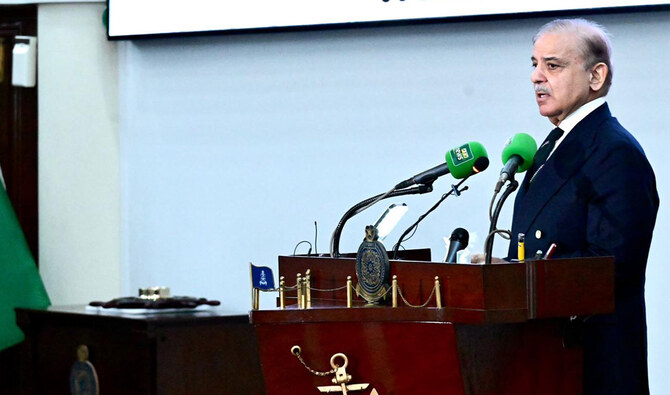
The Pakistan government in Islamabad late on Monday night ended a week-long stand-off by rescinding its order for the cricket team to boycott the match in Colombo.
The biggest and most lucrative clash in world cricket was revived after a frantic weekend of negotiations.
It culminated in International Cricket Council (ICC) and Bangladesh Cricket Board (BCB) chiefs flying to Lahore on Sunday for talks with the Pakistan Cricket Board (PCB).
The governments of Bangladesh and Sri Lanka both wrote to the Islamabad government on Monday urging it to change its stance and allow the game to go ahead, and just before midnight they got their wish.
After “multilateral discussions, as well as the request of friendly countries, the Government of Pakistan hereby directs the Pakistan National Cricket Team to take the field on February 15,” the Islamabad government said on its official X account late Monday night.
The decision had been taken with the aim of “protecting the spirit of cricket,” it added.
Former India cricketer Madan Lal told AFP on Tuesday: “Pakistan did shake up the ICC by repeatedly saying they would not play.
“Eventually, the ICC had to send officials to Pakistan to sort out the issue” and that was “good for cricket.”
“We want strong teams to play so that the charm of the World Cup is not lost,” he added.
‘LOSS-LOSS SITUATION’
Sri Lanka, who will host the match which generates multi-millions of dollars in advertising, broadcast rights, sponsorship and tourism, also hailed the decision.
Sri Lankan President Anura Kumara Dissanayake thanked Pakistan’s Prime Minister Shehbaz Sharif for “ensuring the game we all love goes on.”
“Delighted that the eagerly awaited India and Pakistan match at the ongoing T20 Cricket World Cup in Colombo will proceed as planned,” Dissanayake said in a social media post.
Veteran Indian journalist Pradeep Magazine told AFP “good sense has prevailed on all sides.”
Financial considerations would have been taken into account, he added.
“India-Pakistan is not just about cricket revenue — it also means wider commercial revenue,” he said.
“Everyone realized that losing the revenue from an India-Pakistan match would have been a loss-loss situation for all ICC member nations.”
Bitter political rivals Pakistan and India have not played bilateral cricket for more than a decade and meet only at global or regional tournament events, and only on neutral territory.
The 20-team tournament had been overshadowed by an acrimonious political build-up.
Bangladesh, who refused to play in India citing security concerns, were replaced by Scotland.
As a protest, the Pakistan government ordered the team not to face co-hosts India in the Group A fixture.
Pakistan, who edged out Netherlands in the tournament opener on Saturday, would have conceded two points if they had forfeited the match, which could have put their chances of progressing in the tournament in jeopardy.
They play the USA in their second group match in Colombo later Tuesday.
India captain Suryakumar Yadav said on Friday that his team would travel to Colombo for the clash, whether the game was on or not.
“We haven’t said no to playing them,” Suryakumar said. “Our flights are booked and we are going to Colombo.”