- Deputy PM questions PTI motives, calling protest march ‘conspiracy’ against Pakistan’s honor
- Interior Minister Mohsin Naqvi asks Ali Amin Gandapur to prioritize stability in his own province
ISLAMABAD/PESHAWAR: Tension continued to mount in Pakistan on Sunday as the government vowed to prevent any disruption in Islamabad during a high-level visit by the Belarus president, as supporters of jailed former prime minister Imran Khan began marching to the capital to demand his release.
Khan’s Pakistan Tehreek-e-Insaf (PTI) party is spearheading a “long march” to the capital after more than a year of his incarceration on charges he claims are politically motivated. The party is also protesting alleged rigging in February’s general elections and raising concerns about judicial independence, which it says has been undermined by recent constitutional amendments, a claim the government denies.
Security in Islamabad has been tightened, with paramilitary forces deployed and major roads sealed with shipping containers. The interior ministry has suspended mobile data services in sensitive areas, and highways have been blocked to thwart the arrival of protesters.
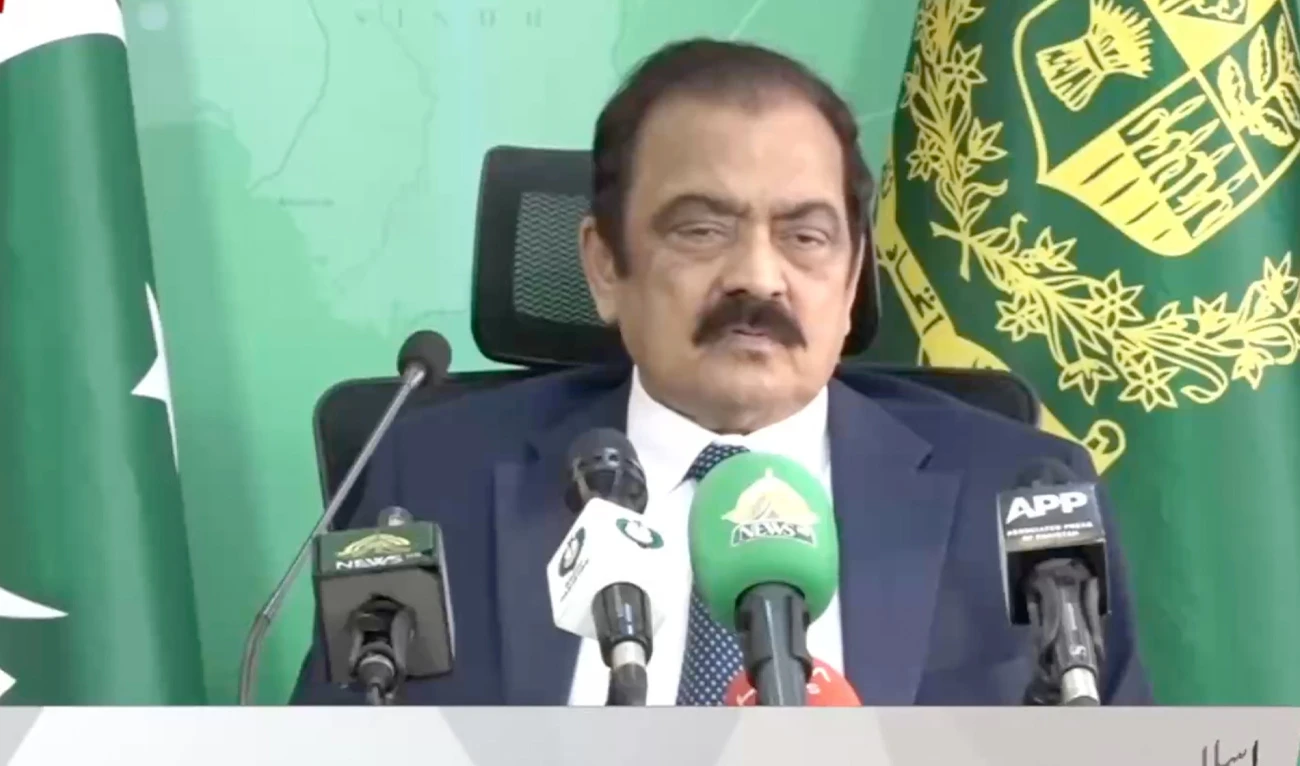
Addressing the media in Islamabad, Interior Minister Mohsin Naqvi criticizing PTI’s timing ahead of the three-day visit of Belarusian President Aleksandr Lukashenko to discuss for bilateral economic cooperation.
“Protecting the lives and property of citizens is a priority,” he said. “Disruption during the arrival of foreign guests will not be tolerated under any circumstances. Anyone spreading chaos will be arrested.”
Naqvi also urged Khyber Pakhtunkhwa Chief Minister Ali Amin Gandapur, a close aide of ex-PM Khan, to prioritize stability in his own province instead of staging protests, calling such demonstrations harmful to national interests.
He also informed the authorities had detained “extremists” in Islamabad.
Pakistan’s Deputy Prime Minister Ishaq Dar also questioned PTI’s motives, describing its protest as “a deliberate conspiracy against the country’s honor and dignity.”
Earlier, Planning Minister Ahsan Iqbal accused Khan’s party of attempting to disrupt Pakistan’s economic recovery by launching a demonstration right ahead of the Belarusian president’s visit.
“I am hopeful this drama will end tonight, and normalcy will return,” he said at a press conference in Lahore.
Iqbal defended the government’s strict measures, highlighting its responsibility to ensure law and order.
Meanwhile, residents of Islamabad said they were already grappling with disruptions. Mohammad Hayat, a 32-year-old fruit vendor, lamented the impact of the ongoing political friction between the government and the opposition party on his livelihood.
“Since morning, I haven’t had a single customer. Roads are blocked, people can’t come out, and my fruit is perishing,” he said.
Another resident, Sayyed Sarmad from E-16 sector, criticized the road closures, claiming, “A girl died in an ambulance yesterday. The government should allow protests but manage them better.”
PTI leaders also remained resolute as caravans from KP headed toward Islamabad.
Asif Khan, a party lawmaker, declared “we will go to our destination at any cost,” highlighting transportation challenges as booked vehicles were allegedly blocked. “We arranged vehicles from other districts and captured videos to show our strength,” he added.
Iman Tahir, a women’s leader from Attock, underscored the movement’s peaceful nature.
“We have always been peaceful and will go peacefully this time again,” she said. “Today, all of Pakistan will rise, and Khan’s final call will be a successful one.”
Khyber Pakhtunkhwa Chief Minister Ali Amin Gandapur, leading the rally, reiterated his commitment while traveling in official protocol.
“We are going to D-Chowk at any cost, and we will not return before reaching D-Chowk,” he said at the Peshawar Motorway toll plaza, referring to an iconic spot in Islamabad that has witnessed political protests for decades.
Another PTI lawmaker, Arbab Sher Ali, echoed the party’s determination to reach the federal capital, saying, “We are instructed to reach Islamabad and are following Khan’s directives. If we can’t reach today, we will reach tomorrow or the day after.”
PTI leaders have hinted at an indefinite sit-in in Islamabad, saying the will not return until their demands are met by the government.