

What We Are Reading Today: ‘Lost Souls’ by Sheila Fitzpatrick

Short Url
Updated 16 November 2024
Follow

What We Are Reading Today: ‘Lost Souls’ by Sheila Fitzpatrick

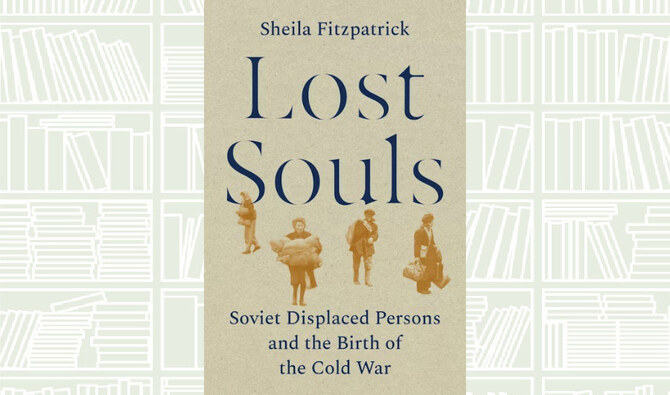
When World War II ended, about 1 million people whom the Soviet Union claimed as its citizens were outside the borders of the USSR, mostly in the Western-occupied zones of Germany and Austria.

These “displaced persons,” or DPs—Russians, prewar Soviet citizens, and people from West Ukraine and the Baltic states forcibly incorporated into the Soviet Union in 1939—refused to repatriate to the Soviet Union despite its demands.

Thus began one of the first big conflicts of the Cold War. In “Lost Souls,” Sheila Fitzpatrick draws on new archival research, including Soviet interviews with hundreds of DPs, to offer a vivid account of this crisis, from the competitive maneuverings of politicians and diplomats to the everyday lives of DPs.


What We Are Reading Today: Three Roads Back by Robert D. Richardson

Updated 06 March 2026
Follow

What We Are Reading Today: Three Roads Back by Robert D. Richardson

In “Three Roads Back,” Robert Richardson, the author of magisterial biographies of Ralph Waldo Emerson, Henry David Thoreau, and William James, tells the connected stories of how these foundational American writers and thinkers dealt with personal tragedies early in their careers. 
For Emerson, it was the death of his young wife and, 11 years later, his five-year-old son; for Thoreau, it was the death of his brother; and for James, it was the death of his beloved cousin Minnie Temple. 

Filled with rich biographical detail and unforgettable passages from the journals and letters of Emerson, Thoreau, and James, these vivid and moving stories of loss and hard-fought resilience show how the writers’ responses to these deaths helped spur them on to their greatest work, influencing the birth and course of American literature and philosophy.
As Richardson shows, all three emerged from their grief with a new way of seeing, one shaped by a belief in what Emerson called “the deep remedial force that underlies all facts.”