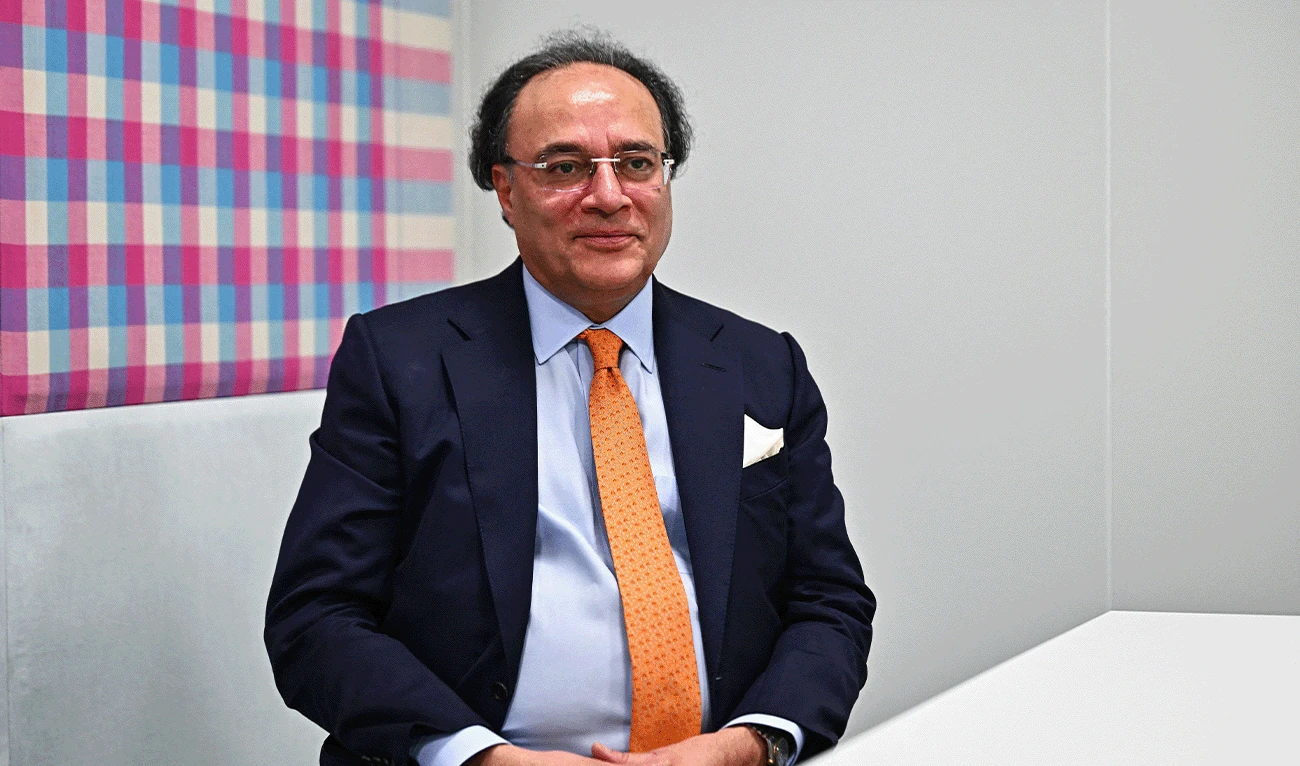
ISLAMABAD: Pakistan and Russia on Thursday called for greater collaboration among regional states to address the situation in Afghanistan, amid shared concerns over militant violence emanating from the war-torn country.
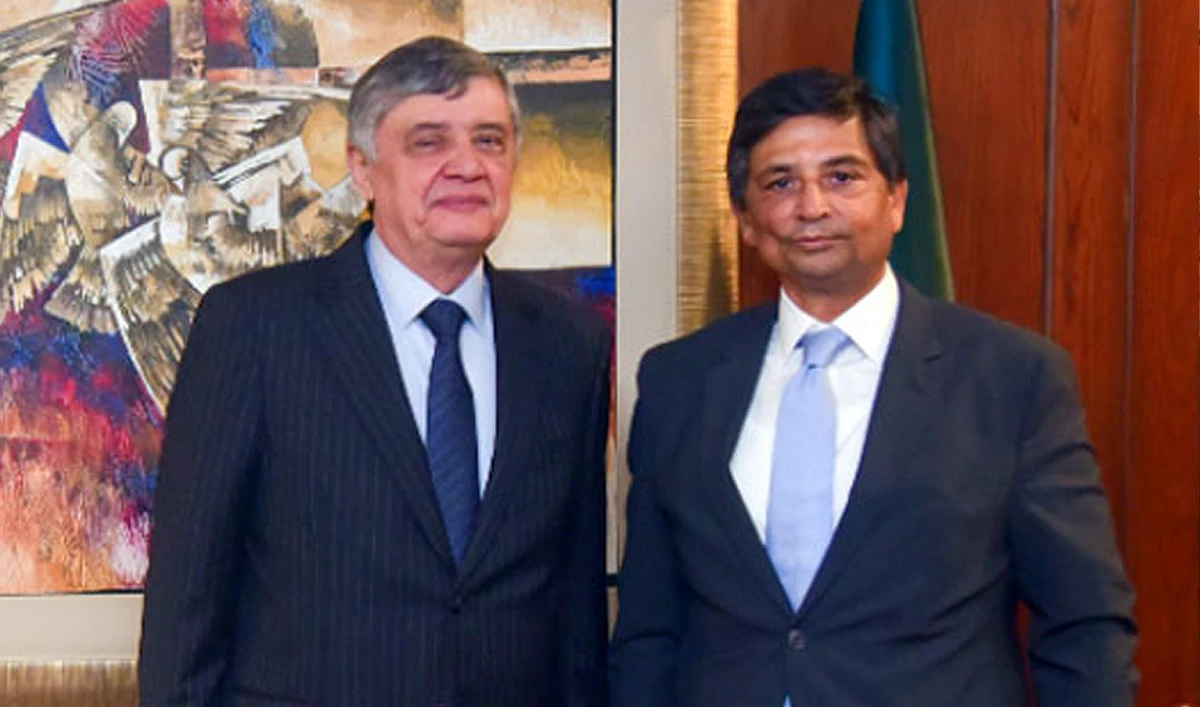
The call came during a visit by Moscow’s special representative for Afghanistan, Ambassador Zamir Kabulov, who met with Pakistan’s foreign secretary, Amna Baloch, and held detailed discussions with the additional secretary, Ahmad Naseem Warraich, at the Ministry of Foreign Affairs in Islamabad.
“The two sides exchanged views on relations with Afghanistan and called for enhanced coordination among regional countries for a peaceful and prosperous Afghanistan,” the foreign office said. “The two sides agreed to remain engaged toward this end.”
The talks come as both nations grapple with security threats linked to Afghanistan. Russia has voiced alarm over Daesh and its attacks, including a concert bombing in Moscow earlier this year that was linked to militants with ties to Afghanistan.
While the Afghan Taliban and Daesh are sworn enemies, Pakistan accuses the Afghan administration of facilitating the Tehreek-e-Taliban Pakistan (TTP), a proscribed militant network blamed for cross-border attacks, an allegation Kabul denies.
Pakistan’s approach to Afghanistan has grown increasingly confrontational since last year as it pressures Kabul to rein in the TTP. By contrast, Russia announced last month it would remove the Taliban from its list of terrorist organizations, signaling a step toward normalizing ties with Afghanistan’s rulers.
Beyond security, Russia is keen to retain its influence in Central Asia and engage in Afghanistan’s economic reconstruction, particularly in energy and infrastructure projects.
Initiatives such as the Turkmenistan-Afghanistan-Pakistan-India (TAPI) Gas Pipeline and the Trans-Afghan Railway remain key priorities for Moscow, though persistent security challenges have delayed progress.
For Pakistan also, Afghanistan is critical for regional connectivity. Islamabad has offered landlocked Central Asian nations access to its ports, aiming to facilitate trade with global markets via sea routes.
Despite security concerns shared by Afghanistan’s neighboring countries, its stability is viewed as vital to unlocking the economic potential of regional projects.

Pakistan, Russia call for regional collaboration on Afghanistan amid shared security concerns
https://arab.news/v4828
Pakistan, Russia call for regional collaboration on Afghanistan amid shared security concerns
- The call comes as Moscow’s special representative for Afghanistan visits Pakistan for a day
- Despite security issues, Afghanistan’s neighboring states view its stability as vital for progress
Pakistan launches digital cash aid for low-income families during Ramadan, PM says
- Ramadan relief moves from state-run Utility Stores to targeted digital wallet transfers
- Government to transfer financial assistance through wallets to support sehri, iftar expenses
ISLAMABAD: Pakistan will provide financial assistance to low-income households through digital wallets during the fasting month of Ramadan, Prime Minister Shehbaz Sharif said on Thursday, announcing a government relief initiative aimed at helping families afford daily meals.
The support program comes as many Pakistanis continue to face elevated food and utility costs despite easing inflation, with Ramadan traditionally increasing household spending on staple foods, fruits and energy consumption.
For decades, government-run Utility Stores Corporation outlets were central to Ramadan relief in Pakistan, selling subsidized flour, sugar, ghee and pulses through special “Ramzan packages” that drew long queues in low-income neighborhoods. In recent years, however, authorities have steadily scaled back the system amid mounting losses, corruption complaints and logistical inefficiencies, shifting instead toward targeted cash transfers delivered through digital wallets and banking channels.
The change reflects a broader policy move away from state-managed commodity distribution toward direct financial assistance intended to give households flexibility while reducing leakages in subsidy programs.
“The Government of Pakistan has launched a Ramadan package under which financial assistance will be transferred to deserving individuals through digital wallets so that households can maintain sehri and iftar meals,” Sharif said in a message issued by his office.
The prime minister said Ramadan encourages compassion and collective responsibility toward vulnerable segments of society, adding that welfare support was part of the state’s duty during the holy month.
Officials say the digital cash transfers approach improves transparency and reduces corruption risks while enabling faster payments nationwide, particularly in urban low-income communities.
But the shift to fully digital assistance also brings challenges.
Access to smartphones and reliable mobile Internet remains uneven, particularly in rural areas and among older recipients, while many low-income households use SIM cards registered to someone else, complicating verification.