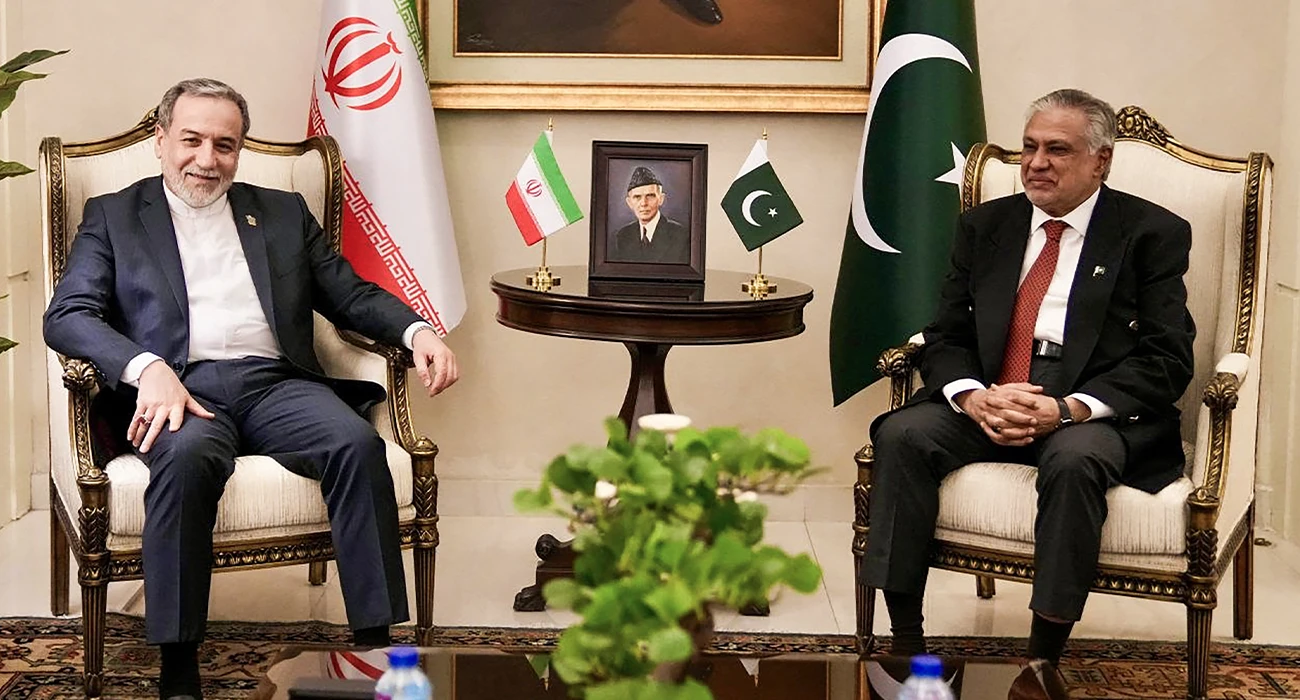
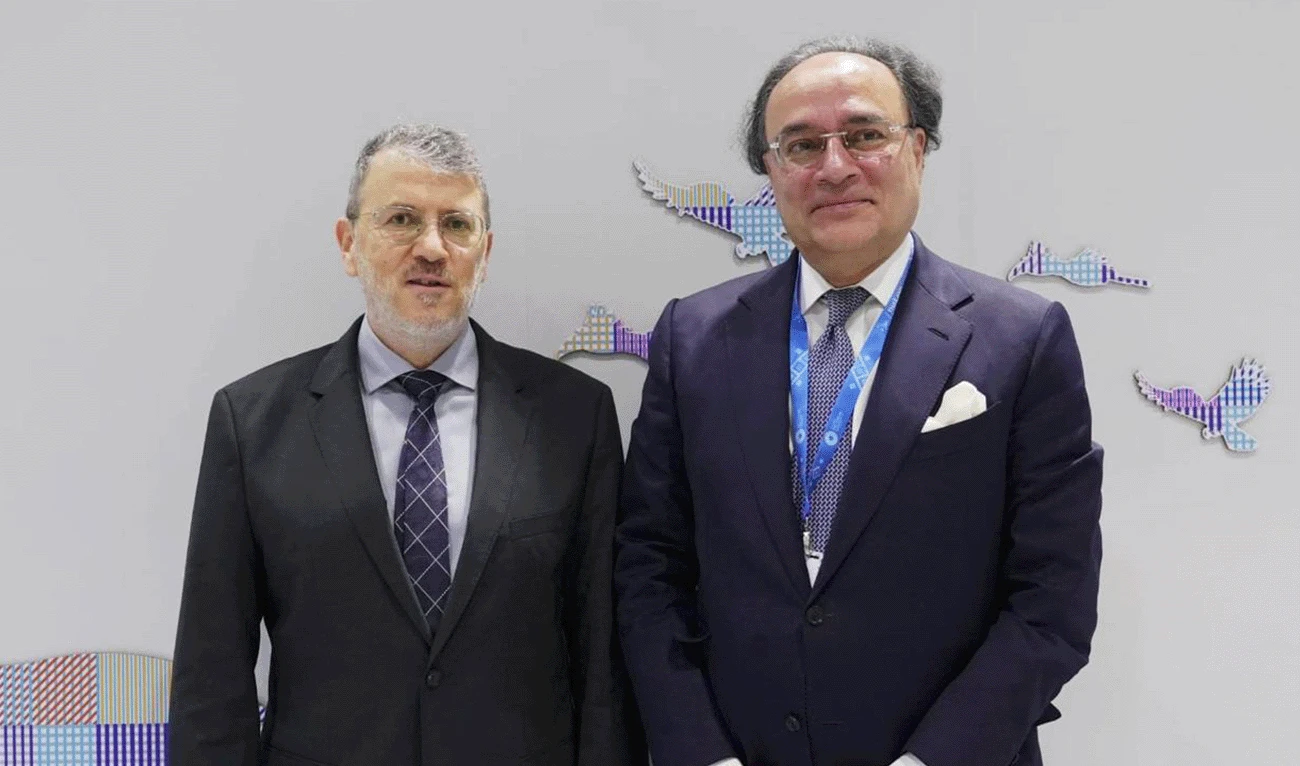
- The annual UN climate summit, which opened on Monday, is expected to see tough talks on finance and trade
- PM Shehbaz Sharif will call on developed nations to undertake deeper emission cuts, Pakistani foreign office says
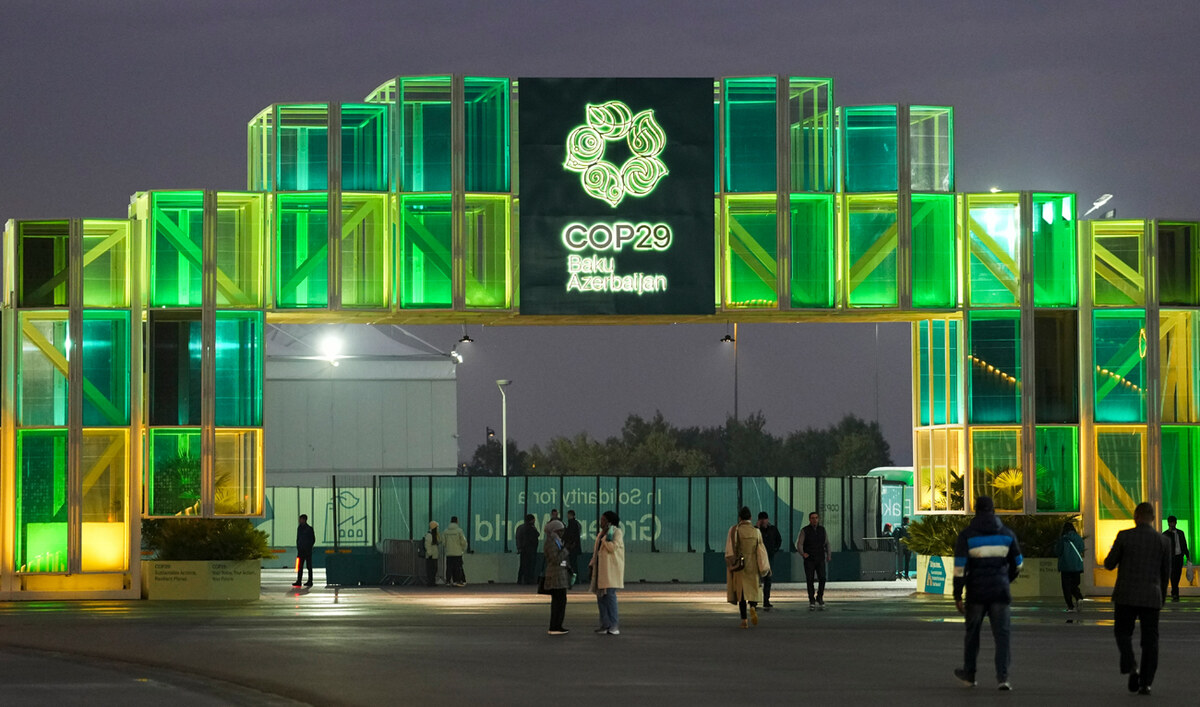
ISLAMABAD: Prime Minister Shehbaz Sharif joined world leaders in Baku on Tuesday for the 29th Conference of the Parties to the United Nations Framework Convention on Climate Change (COP29), scheduled to continue till Nov. 22, where the premier said Pakistan would present its climate priorities and call for commitments that usher in “real, measurable impact.”
The annual UN climate summit, which opened on Monday, is expected to see tough talks on finance and trade, following a year of weather disasters that have emboldened developing countries in their demands for climate cash. Nearly 200 countries are gathering for the summit, where reaching a consensus for a deal among so many will be difficult.
Sharif will address the World Leaders Climate Action Summit on Nov. 13, while he will also attend several high-level events on the sidelines of the summit and hold bilateral meetings with world leaders, Pakistan’s foreign office said in an earlier statement. Pakistan will also host several high-level events and roundtable discussions at the Pakistan Pavilion during COP29.
“Just landed in Baku, a city that beautifully bridges cultures and continents— symbolizing the unity we need to overcome our shared climate challenges,” Sharif wrote on social media platform X. “At #COP29, Pakistan will present its climate priorities, calling for commitments that bring real, measurable impact.”
The Pakistani premier was welcomed by United Nations Secretary-General Antonio Guterres and Azerbaijan President Ilham Aliyev upon his arrival to the plenary. Later, he also posed for a family photo along with other world leaders at the venue.
Pakistan is ranked the 5th most vulnerable country to climate change, according to the Global Climate Risk Index. In 2022, devastating floods killed over 1,700 people and affected over 33 million, with economic losses exceeding $30 billion. International donors last January committed over $9 billion to help Pakistan recover from the ruinous floods but little of that cash has yet to trickle in, according to officials.
Pakistan also regularly faces other climate change-induced affects such as droughts, cyclones, torrential rainstorms and heatwaves. Currently, record-high air pollution levels have triggered hundreds of hospitalizations, school closures and stay-at-home orders in the eastern city of Lahore and other cities in the populous Punjab province, which has been enveloped in a thick, toxic smog since last month.
A mix of low-grade fuel emissions from factories and vehicles, exacerbated by agricultural stubble burning, blanket Lahore and its surroundings each winter, trapped by cooler temperatures and slow-moving winds. The city of 14 million people stuffed with factories on the border with India regularly ranks among the world’s most polluted cities, but it has hit record levels this month, as has New Delhi.
Pakistan’s foreign office said in an earlier statement that it will call for “balanced and ambitious progress” on all issues such as loss and damage, adaptation, mitigation and means of implementation. The foreign office said Islamabad would seek predictable financing to address developing countries’ climate goals.
“Pakistan will also underscore the historical responsibility and the principle of Equity and Common but Differentiated Responsibility and call on developed nations to undertake deeper emission cuts,” the statement said.
Officials said this month Pakistan will urge developed countries at COP29 to fulfill past pledges and provide easy access to climate funding without attaching conditions.
“Pakistan is very clear on our stance on what we need from all the developed countries when it comes to the pledges, one, they need to complete their pledges, they need to fulfill their pledges, and two, easy access to the fundings,” Romina Khurshid Alam, PM Shehbaz Sharif’s coordinator on climate change, told Arab News in an interview on Nov. 8.