



RIYADH: After coming to the brink of extinction, the wild lotus shrub has been rediscovered in Saudi Arabia’s Northern Borders region. This revival is owed in large part to the afforestation and land reclamation efforts of nature reserves and the Saudi Green Initiative.
Protecting and preserving wild areas, along with restoring trees and plants to the environment, such as this annual shrub with its vibrant red flowers, are key components of Saudi Arabia’s sustainable development agenda.
The wild lotus is native to areas stretching from the Eastern Mediterranean to the Arabian Peninsula. It thrives in arid regions and dry shrubland biomes, found in Saudi Arabia, Iraq, Lebanon, Syria, Palestine and the Sinai Peninsula.

Nasser Al-Majlad, president of Aman Environmental Society, told the Saudi Press Agency that the wild lotus shrub has been found thriving in streams in the valleys of the Kingdom’s Northern Borders region.
Locally known as “Hamar Ward” or “Harbith,” the shrub blooms during the hot summer months, producing small, red flowers. Its scientific name is Lotus lanuginosus.
“Wild Lotus, or Hamar Ward, is an herbaceous perennial wild plant, branched, extending vertically to 40 cm or 20 cm, and its leaves are compound with five leaflets and their dimensions are from 1.3 to 0.5 cm,” Obid Aloni, an environmental activist and member of Al-Yusr and Desert Plants Association, told Arab News.
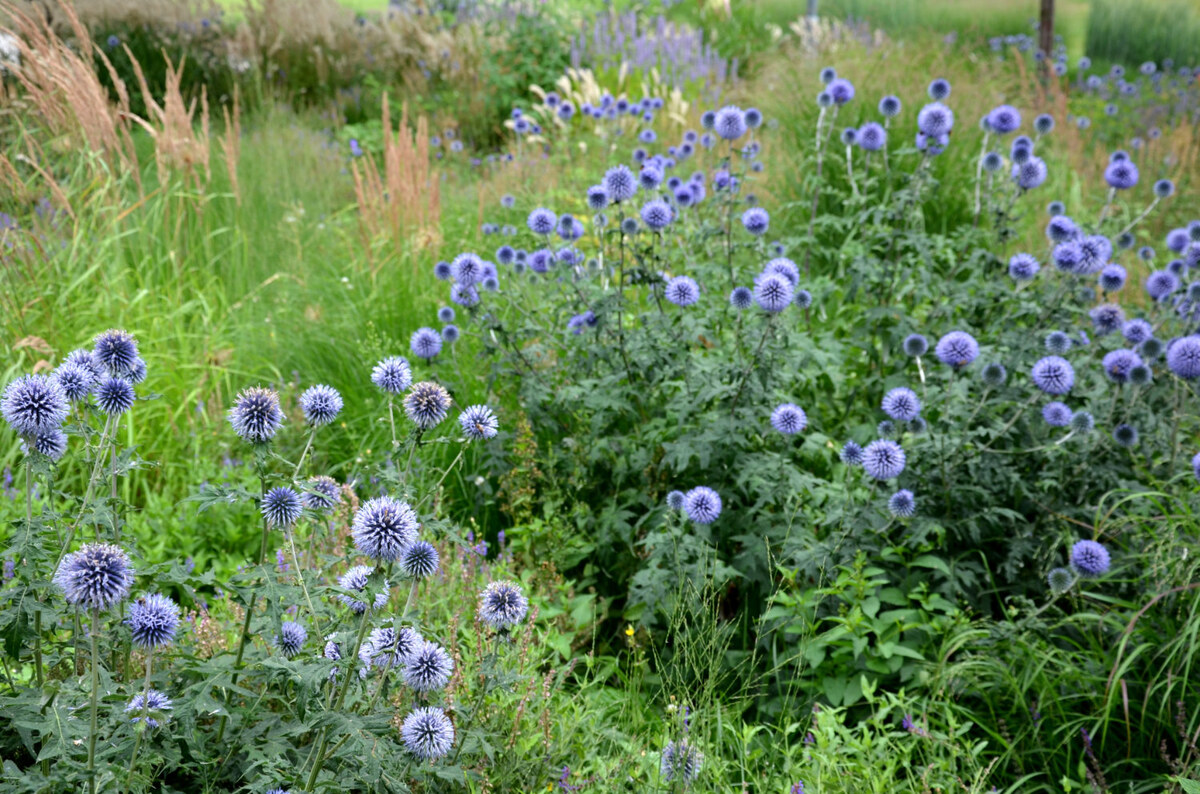
Echinops, an erect branching spiny-leaved herb that is one meter high and has very pale blue flowers in spherical heads. This flower is found in Diriyah and other parts of the central region of Saudi Arabia. (Shutterstock photo)
Herbaceous perennial plants complete their life cycle over a period of more than two years. They have non-woody stems, allowing them to reach their full height and produce flowers year after year.
Aloni, who has specialized in plants and agriculture for 30 years, told Arab News that the wildflower serves as a stunning embellishment in both cultivated and rocky landscapes.
Opinion
This section contains relevant reference points, placed in (Opinion field)
“It is planted usually at the beginning of winter — for those who want to plant it — like spring flowers,” he said, adding that the species had almost reached extinction if not for the efforts of royal reserves in Saudi Arabia.
In addition to the wild lotus shrub, Saudi Arabia’s wilderness is home to a diverse array of flower species — including the Convolvulus buschiricus. Native to Hegra in the Madinah province, this shrubby plant has hairy stems that can grow up to 1 meter in height. It also has pink, scentless flowers measuring 2.5 cm in width.
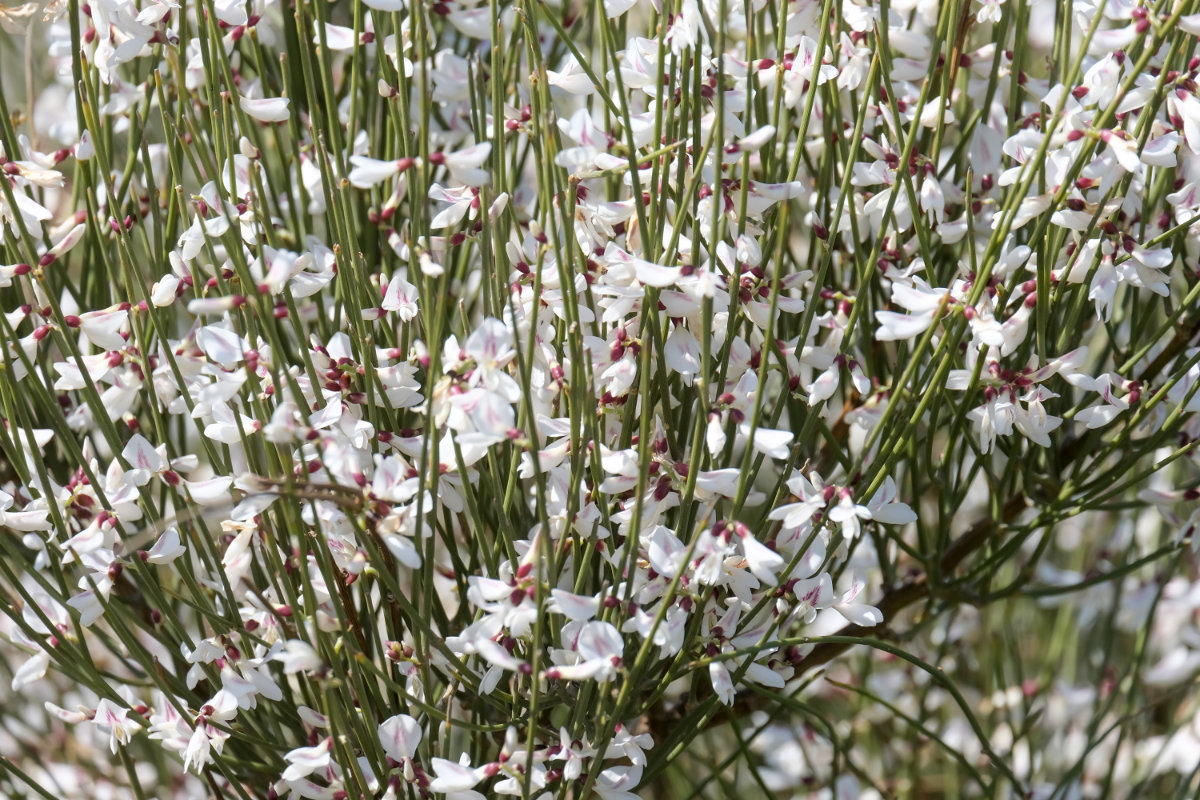
Retama raetam, a shrubby plant with thin and flexible branches, is found in Hegra in Madinah province. (Shutterstock)
Also found in Hegra is the Retama raetam, a shrubby plant with thin, flexible branches. Its small flowers, measuring one cm in width, are accompanied by simple, narrow leaves that are 10 mm long.
Other Saudi wildflowers include the Lavandula dentata in Asir’s Jabal Soudah, Echinops in Diriyah and Teucrium oliverianum in Tumair, Riyadh province. Teucrium oliverianum, commonly known as “ahneh,” is also found in the Imam Turki bin Abdullah Royal Reserve, located in the Kingdom’s northern provinces.
DID YOUKNOW?
• The lotus flower is a traditional herb used in Chinese medicine for thousands of years.
• The plant’s tea has been promoted as a weight-loss aid and a drink for reducing body lipids.
• Nelumbo nucifera is known for its anti-diabetic and anti-inflammatory properties.
Afforestation and the preservation of natural habitats in the Kingdom have advanced significantly in recent years, driven by environmental protection schemes like the Saudi Green Initiative.
One of the key goals of the SGI is to rehabilitate more than 74 million hectares of land by planting 10 billion trees nationwide, while also restoring the Kingdom’s natural greenery.
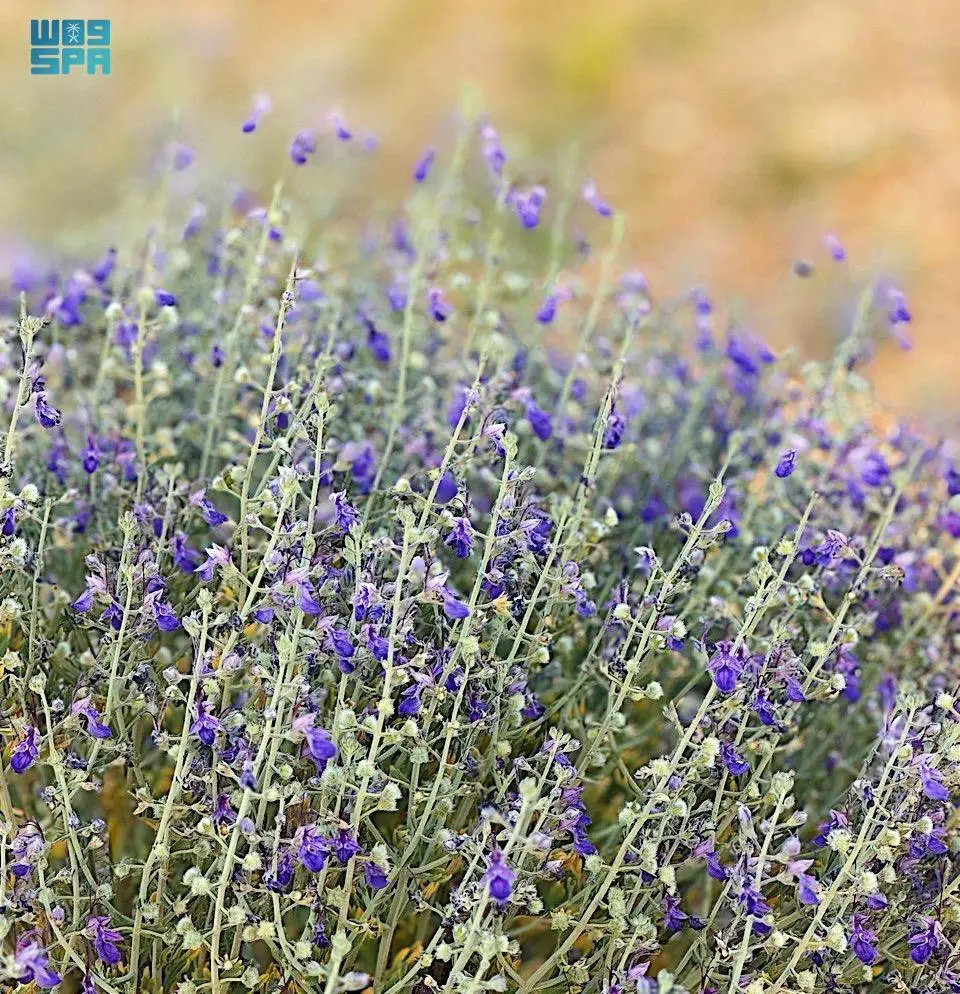
Teucrium oliverianum, commonly known as "Ahneh," thrives in Riyadh province as well as in the Kingdom's northern provinces. (SPA)
Through extensive planting efforts, the Saudi government aims to restore vital ecological functions, improve air quality, and, ultimately, reduce the frequency of sandstorms.
Since 2021, more than 49 million trees and shrubs have been planted, and 94,000 hectares of degraded land have been rehabilitated, according to the SGI website.
Saudi Arabia’s commitment to environmental protection extends beyond its borders, making a significant impact at both a regional and global level.
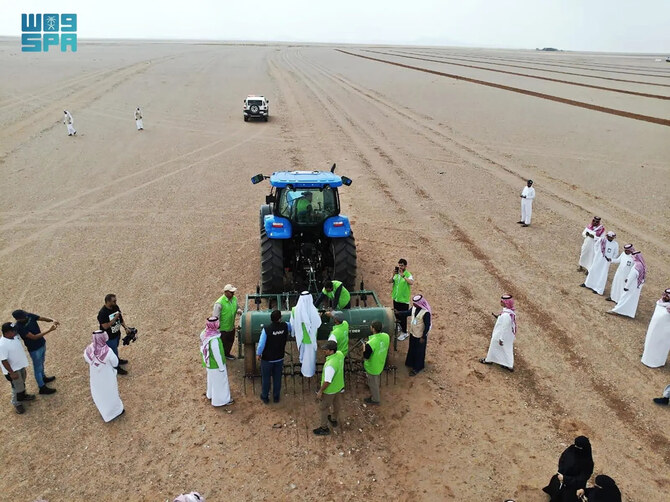
Officials and representatives of government entities and associations along with locals participate in the greening activity at the King Abdulaziz Protected Pasture in Al Hanakiyah governorate. (SPA photo)
The Kingdom launched the Middle East Green Initiative in 2021 to help mitigate the impact of climate change in the wider region and position Saudi Arabia as a leader in global sustainability efforts.
The MGI also promotes afforestation with the aim of planting some 50 billion trees across the Middle East.
Also contributing greatly to the restoration of nature in Saudi Arabia is the NEOM giga-project taking shape on the Kingdom’s northwestern coastline. In collaboration with the National Center for Vegetation Cover and Combating Desertification, NEOM has been implementing its own regreening initiative since 2022.
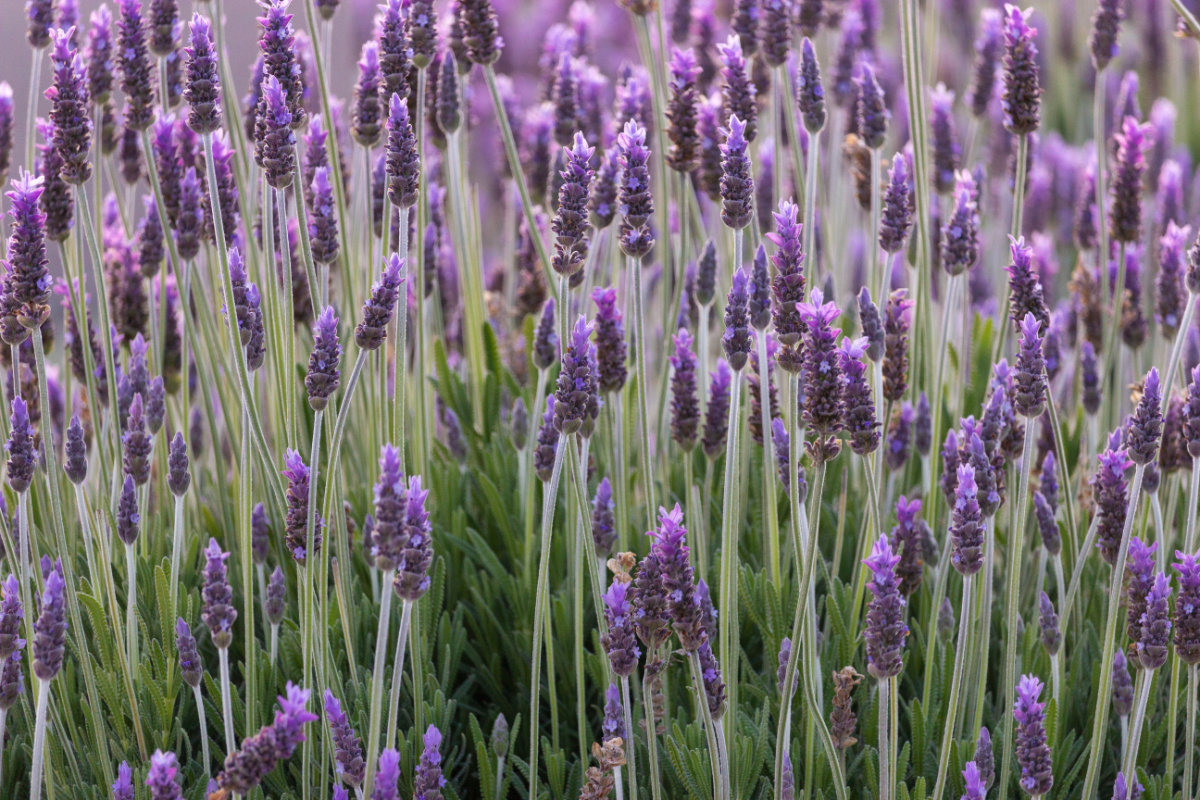
Lavandula dentata, a flower native to Asir that reaches up to 60 centimeters and has leaves with toothed edges and a slightly woolly texture. (Shutterstock)
Khaled Al-Abdulqader, the center’s CEO, highlighted in a NEOM report that the regreening initiative will significantly support efforts to protect the environment, in addition to “directly contributing to the objectives of the Saudi Green Initiative.”
Through dedicated afforestation efforts, wildflowers like the wild lotus and other native plants may have the opportunity to grow and thrive, even in some of the most arid regions of the world.
The Kingdom’s commitment to maintaining a healthy environment and balancing its ecosystem is a key goal of its Vision 2030 agenda, aimed at ensuring sustainable development while creating a thriving society.


