Climate change, driven by fossil fuel emissions, is raising temperatures to dangerous new heights, while also worsening drought and food security, a new report by doctors and health experts warned on Tuesday.
The record temperatures of 2023 — the hottest year on record — meant the average person experienced 50 more days of dangerous temperatures than they would have without climate change, according to the Lancet Countdown, an annual report based on work by dozens of experts, academic institutions, and UN agencies, including the World Health Organization.
Especially vulnerable are the elderly, with the number of heat-related deaths in people over 65 last year reaching a level 167 percent above the number of such deaths in the 1990s. Without climate change, researchers would have expected that number to rise by 65 percent from the 1990s, the report said.
“Year on year, the deaths directly associated with climate change are increasing,” said Marina Belén Romanello, executive director of the Lancet Countdown.
“But heat is also affecting not just the mortality and increasing deaths, but also increasing the diseases and the pathologies associated with heat exposure,” she said.
For example, people who exercise outdoors are increasingly at risk, she said. Companies are facing limited capacity for working outdoors.
In fact, last year’s extreme heat cost the world an estimated 512 billion potential labor hours, worth hundreds of billions of dollars in potential income, the report said.
“Similar to what we saw with the COVID-19 pandemic, it is key workers who tend to be most exposed and unable to shield as easily during heatwaves, such as those working in one of our many hospitals without air conditioning, or outdoor construction workers,” said data scientist Nathan Cheetham at King’s College London in a statement. Cheetham was not involved in the study.
Climate change is also making food more unreliable, the authors warned.
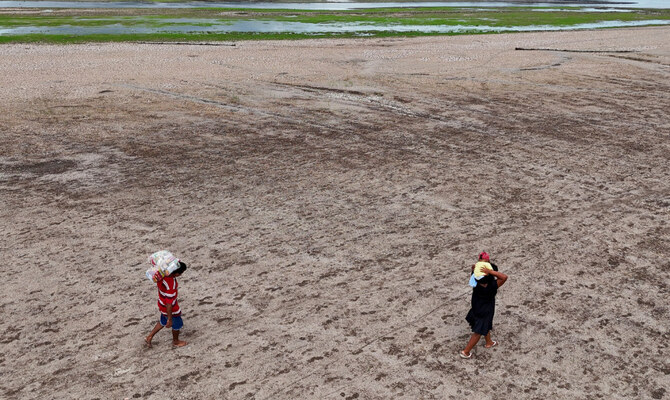
With up to 48 percent of the world’s land area facing extreme drought conditions last year, the researchers said, about 151 million more people would be experiencing food insecurity as a result, compared with the years 1981-2010.
Extreme rainfall last year also affected roughly 60 percent of lands, unleashing floods and raising risks from water contamination or infectious disease.
The study’s authors urged the upcoming UN climate summit, COP29, to direct climate finance toward public health. The COP29 talks begin Nov. 11 in Baku, Azerbaijan.
UN Secretary-General Antonio Guterres on Tuesday called on countries to “cure the sickness of climate inaction” by slashing fossil fuel use and emissions in order “to create a fairer, safer, and healthier future for all.”


![]()

Climate change is making temperatures deadlier, food less reliable, experts warn
Short Url
https://arab.news/6jcgx
Climate change is making temperatures deadlier, food less reliable, experts warn
- The study’s authors urged the upcoming UN climate summit, COP29, to direct climate finance toward public health


Latest updates


Recommended


© 2026 SAUDI RESEARCH & PUBLISHING COMPANY, All Rights Reserved And subject to Terms of Use Agreement.