


WASHINGTON: Civil society groups implored Google on Thursday to rigorously enforce its policy to demonetize environmental disinformation, saying ads placed alongside climate denial content persistently popped up despite the tech titan’s pledge to crack down.
The open letter, addressed to Google chief Sundar Pichai and endorsed by thousands of signatories, comes in the wake of major hurricanes in the United States sparking an avalanche of disinformation and just weeks before the UN COP29 climate summit.
In 2021, Google announced a policy prohibiting ads alongside content that denied the existence and causes of climate change, seeking to ensure disinformation peddlers cannot monetize its influential platforms, including YouTube.
But the letter from a dozen groups, including the Union of Concerned Scientists and tech watchdog Center for Countering Digital Hate, said the ads have not stopped.
“We are urging Google to enforce the policy thoroughly and immediately to ensure it is credible, as we see climate change adversely affecting communities right now,” the letter said.
While Google has demonetized some content by the Heartland Institute, a conservative US think tank, watchdogs have continued to find ads alongside its misleading climate messaging on YouTube, the letter said.
It urged Google to “immediately and permanently demonetize Heartland Institute” as well as other outlets that spread climate disinformation.
Nonprofit watchdog Check My Ads, which also signed the letter, said in a report last month that ad exchanges helped three conservative websites, including The Epoch Times, to profit from climate denialism.
Last month, another investigation by the campaign group Global Witness estimated that The Epoch Times generated around $1.5 million in combined revenue for Google and the website owners over the past year.
YouTube has also allowed the monetization of climate denial content peddled by influencers on the payroll of a Russian influence campaign, the environmental group Friends of the Earth said in a report last month.
“Google ads are directly contributing to the spread of outright lies about our planet’s changing climate — with dire impacts,” the letter said.
Google did not immediately respond to AFP’s request for comment.
The groups behind the letter said they have requested a meeting with Google’s trust and safety team to discuss the violations of its demonetization policy and were waiting to hear back.
The letter follows destructive hurricanes that slammed the United States in recent weeks, triggering a torrent of misinformation that officials said hampered relief efforts.
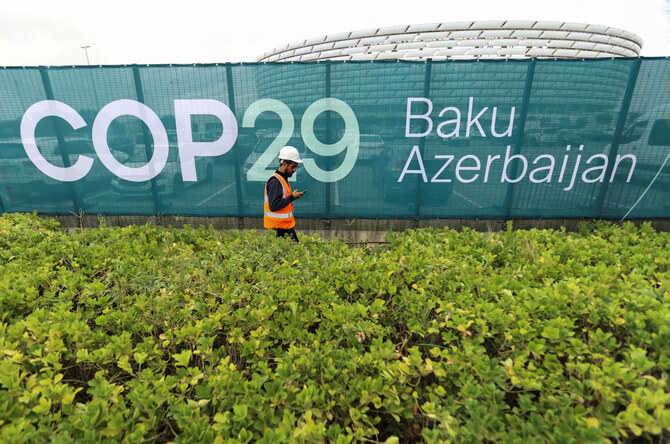
The COP29 summit is set to start November 11 in oil-and-gas-rich Azerbaijan, where nearly 200 nations will gather in the hope of reaching a deal to boost financial assistance to help developing countries adapt to global warming.


