Saudi Arabia’s adoption of fintech makes it an ideal DeFi hub, experts say

Fintech experts believe Saudi Arabia is positioned to lead the regional landscape in decentralized finance, and also solve some challenges on the horizon. (AFP)
Short Url
Updated 13 October 2024
Follow

Saudi Arabia’s adoption of fintech makes it an ideal DeFi hub, experts say

CAIRO: Fintech experts believe Saudi Arabia is positioned to lead the regional landscape in decentralized finance, and also solve some challenges on the horizon.

With active support from the Saudi Central Bank, also known as SAMA, and initiatives like Vision 2030, the Kingdom is creating an ideal environment for solutions to so-called DeFi to flourish.

In an interview with Arab News, Abdulrahman Al-Dakheel, CEO of Taskheer, an online fintech platform that facilitates rotating savings and credit associations, emphasizes the government’s backing for innovative financial technologies such as blockchain and Central Bank Digital Currencies.

“Our government, through SAMA, is actively exploring and supporting innovative financial technologies. Recently, Saudi Arabia joined an international CBDC trial led by the Bank for International Settlements to enhance cross-border payments, making them more efficient and secure,” he said.

This aligns with the broader Vision 2030 initiative aimed at diversifying the economy and enhancing digital financial inclusion, the CEO added.
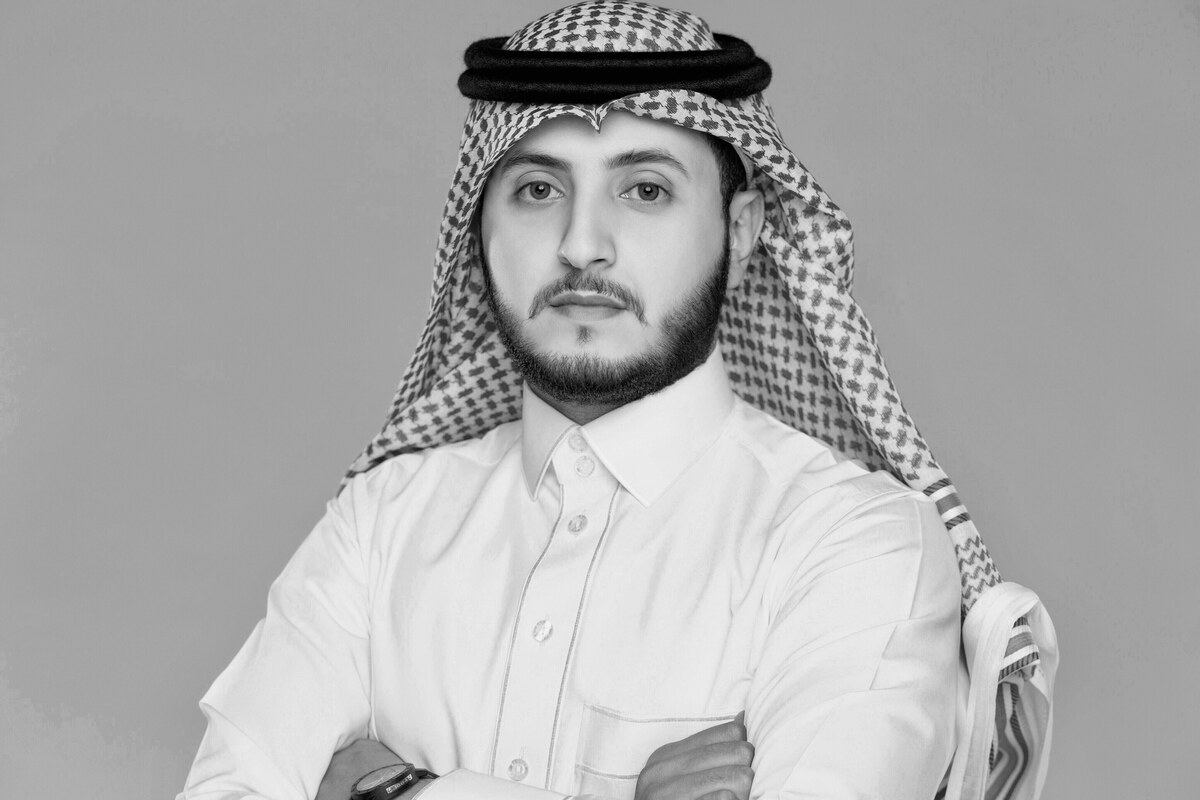


Abdulrahman Al-Dakheel, CEO of Taskheer. (Supplied)

Fintech Saudi, an initiative launched by SAMA, plays a pivotal role in developing the sector’s ecosystem, Al-Dakheel explained.

It provides a comprehensive support framework for fintech entrepreneurs, including access to the regulatory sandbox, resources for training, networking, and funding.

“This ensures startups can test their products in a controlled environment, meeting regulatory standards while fostering innovation,” Al-Dakheel adds.

Jamil Abuwardeh, co-founder of METKAF.com, a Web3 advising company and crypto expert, highlights the transformative potential of DeFi in Saudi Arabia.

“The financial sector here is heavily reliant on traditional intermediaries, with limited access to financial services for many citizens. DeFi can change this by providing decentralized financial services accessible to everyone, regardless of their location or financial status,” he told Arab News.

DeFi can facilitate affordable and accessible services such as lending, borrowing, and investing, and enhance cross-border transactions with instant speed and almost zero fees, he added.
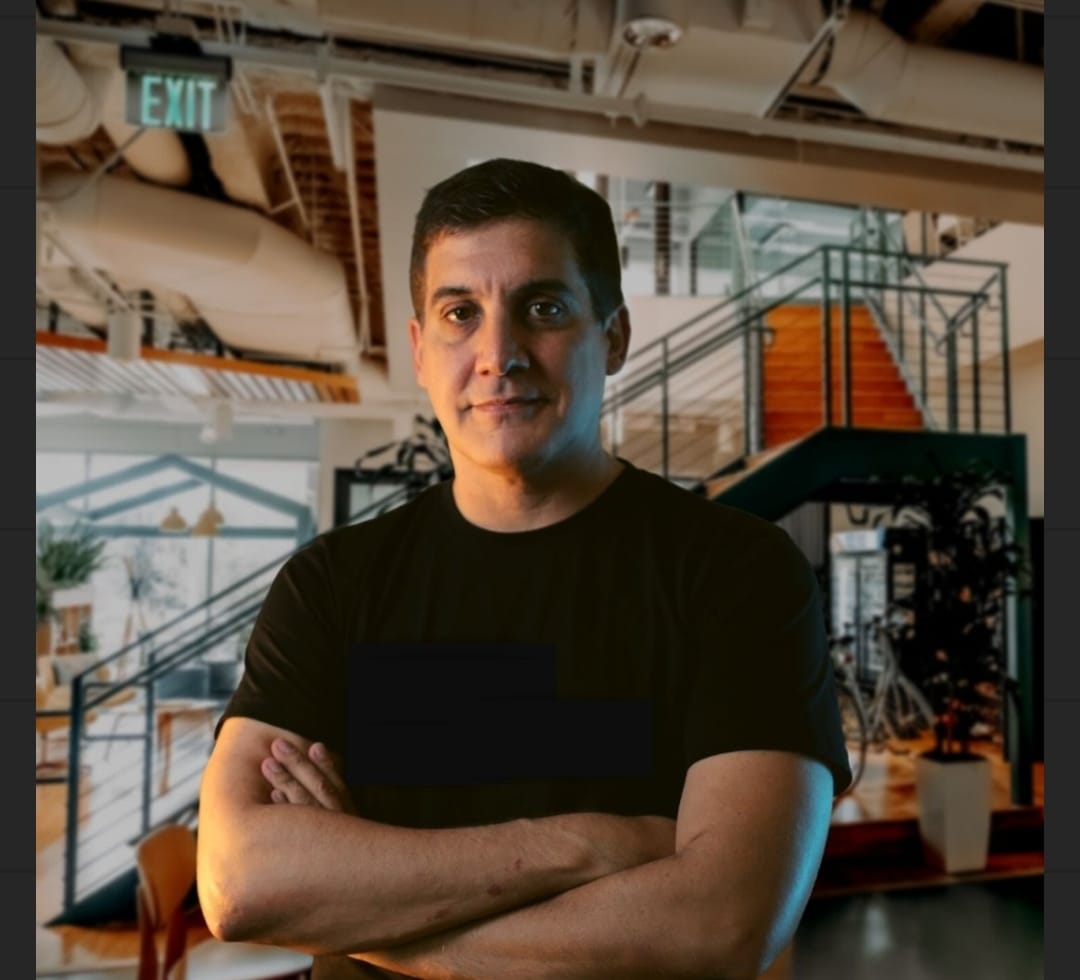


Jamil Abuwardeh, co-founder of METKAF.com. (Supplied)

Stefan Kimmel, CEO of UAE crypto exchange platform M2, stated that collaboration across the board is another major catalyst for DeFi adoption.

“Over the last decade, we have seen a rapid increase in both government and private investment in DeFi frameworks, incubators, and infrastructure across the GCC (Gulf Cooperation Council),” Kimmel said.

“Whether in the UAE or Saudi Arabia, we have also learned that true progress can only be achieved by genuine collaboration between traditional finance and banking institutions, fintechs, start-ups, technology providers, and regulators,” he added.

Challenges and risks

Implementing DeFi in Saudi Arabia is not without its challenges. One of the primary hurdles is regulatory uncertainty.

Al-Dakheel underscores the need for DeFi innovators to work closely with regulators to ensure compliance and secure necessary licenses.

“Security is a significant concern. DeFi platforms are frequent targets for cyberattacks, making it imperative to have robust security protocols and continuous audits,” he said.

Abuwardeh adds that a lack of public awareness and understanding is another challenge.

“One of the major challenges is the lack of awareness and understanding of finance in general among the public. But, if they are to gain from using it, then they will use it without the need to understand it, just like people use mobile phones without understanding how the networks operate,” he said

Additionally, the absence of clear regulations may deter investors and users from engaging with DeFi.

“However, SAMA has announced its intention to regulate DeFi, which could help to overcome this challenge,” Abuwardeh added.

Kimmel emphasized the importance of balancing innovation, evolution, and regulation across various projects related to DeFi, fintech, or cryptocurrency adoption. He noted that each market must evolve at a pace that maintains this equilibrium.



Stefan Kimmel, CEO of UAE crypto exchange platform M2. (Supplied)

“Some of the greatest strength of these solutions is that they are technologically more efficient, more secure, and more accessible than their traditional counterparts – but this can be easily undermined when attempts at innovation outpace regulation, or simply if best intentions fail to meet consumer needs,” Kimmel said.

Opportunities for integration

The opportunities for integrating DeFi with traditional financial systems in Saudi Arabia are substantial, the experts further highlighted.

Traditional banks can leverage the technology to offer more efficient, transparent, and accessible financial services.

“Collaborating with traditional financial institutions can lead to hybrid models that combine the strengths of both worlds. The openness of the Saudi Central Bank to digital innovations provides a conducive environment for such integrations, potentially transforming our financial landscape,” Al-Dakheel states.

Abuwardeh, however, believes that DeFi represents a new paradigm rather than an extension of existing systems.

“Decentralized finance does not need to fit into a centralized banking system. It needs to be understood and seen as a new technology,” he said.

He compares the integration of DeFi to the shift from traditional postal systems to email, highlighting that the technology, like online correspondence, is a completely different way of delivering services in a decentralized manner.

Kimmel highlighted the impressive nature of Saudi Arabia’s DeFi evolution, noting how clearly it has been defined and well managed through Vision 2030 and the Financial Sector Development Program.

“When an entire ecosystem shares a mandate to deliver on the tangible impacts that the technologies can offer their citizens – financial inclusion, economic diversification, and world-leading technological advancement – there is no doubt that they will end up one of the top DeFi markets in the world,” Kimmel added.

“Through the work of SAMA and MCIT (Saudi Ministry of Communications and Information Technology), in particular, we’re very confident of a regulatory-innovation-security balance that will deliver the best outcomes for fintechs, financial institutions, and customers in the Kingdom alike,” he added.


Accelerating growth boosts investor confidence

Updated 06 December 2025
Follow

Accelerating growth boosts investor confidence

  • Startups attract fresh capital to scale AI, health tech, and infrastructure

RIYADH: Startups across the Middle East and North Africa are accelerating growth through strategic funding rounds, partnerships, and technological innovation. 

From agriculture tech and AI-led cybersecurity to digital health and home renovation, this week’s developments reflect the region’s expanding startup ecosystem and investor confidence across key verticals.  

Saudi agritech startup Nabt has raised $3.4 million in a seed extension round, bringing its total funding to $5 million.  

The round was led by SHG Group, with participation from Merak Capital and several angel investors, signaling strong investor confidence in the company’s long-term growth strategy.  

The funding announcement took place during a signing ceremony at the Sunbola program event under the Ministry of Environment, Water, and Agriculture.  

Founded to build both physical and digital infrastructure for the fresh-produce sector, Nabt connects farmers directly with commercial buyers through fulfillment centers that handle sorting, cold storage, and last-mile logistics.  

The company recently launched the Nabt Online Auction to support large-scale produce trading across the Kingdom, and Nabt Intel, which provides real-time pricing and market-demand data. 

CEO Abdullah Al-Otaibi said: “In just two years, Nabt has proven that building transparent and efficient infrastructure for fresh produce is not only possible but essential.”  

The new capital will support expansion into additional Saudi cities and further develop Nabt’s infrastructure and services to boost food security and farmer profitability across the country.   

COGNNA raises $9.2m 

COGNNA, a Saudi cybersecurity company founded in 2022, has closed a $9.2 million series A round led by Impact46 and co-led by BNVT Capital, with participation from Vision Ventures and Tali Ventures.  

The company offers AI-driven security operations tailored for enterprises and SMEs through its Agentic SOC platform.  

Combining AI automation with human oversight, COGNNA’s platform helps organizations simplify compliance and proactively defend against cyber threats. 

Chief Technology Officer Ziyad Al-Sheri stated: “Through our AI-led platform, we are building an Agentic SOC that doesn’t just respond to threats — it anticipates them.”  

The funding will be used to accelerate global expansion, enhance R&D in AI automation, and scale operational teams and infrastructure to meet growing demand. 

The company plans to allocate capital across product development, marketing, hiring, and international operations.  

Funch raises $500k 

Funch, a Dubai-based AI-native lunch subscription startup, has secured $500,000 in a pre-seed round led by Angelspark, with participation from investors including Mostafa Kandil, Mahesh Murthy, and Tushar F.  

Founded in 2025 by Ahmad Joehnny and Ghada Zanaty, the platform offers flexible, credit-based lunch subscriptions for 19 Emirati dirhams per day with no delivery fees. 

Founded in 2025 by Ahmad Joehnny and Ghada Zanaty, Funch offers flexible, credit-based lunch subscriptions with no delivery fees. (Supplied)

Funch replaces traditional meal plans with a system where users can pause, skip, or cancel orders while using credits only when meals are delivered.

“Our model is built around pre-planned orders, enabling us to operate with higher efficiency, reduce waste, and cut emissions with fewer trips,” said co-founder and chief operating officer Ghada Zanaty.  

The company leverages AI to forecast demand, optimize routes, rotate menus, and streamline logistics, and will use the funding to scale across Dubai and develop its AI systems further. 

Paymob teams up with Robusta 

Egyptian fintech Paymob and software development firm Robusta Technology Group have announced a strategic partnership to accelerate digital transformation across Egypt and the wider region.  

The collaboration will integrate Paymob’s digital payments infrastructure with Robusta’s AI-driven product development and analytics capabilities.  

The joint initiative aims to deliver intelligent digital experiences for SMEs and enterprises, supporting Egypt’s Vision 2030 goals. 

Both companies plan to expand regionally and develop future offerings combining automation, analytics, and seamless payment systems to improve operational efficiency for merchants and startups.  

Reno raises $4m

UAE-based renovation technology platform Reno has raised $4 million in a mix of equity and debt funding.  

The round included investments from Sanabil 500, Hub71, and Plus VC, as well as Zero 100 VC, FlyerOne Ventures,  and Sandstorm VC. AngelSpark and Swiss Founders Fund also invested.

Founded in 2024 by Marc Michel, Amr Hosny, and Farah Karabeg, Reno offers a tech-enabled, end-to-end solution for interior design and renovation services in both residential and commercial sectors.  

Reno aims to streamline the renovation process through a unified digital platform, allowing customers to manage projects from planning through execution.  

The company plans to use the new capital to expand across the GCC region, enhance its technological infrastructure, and further develop its customer experience. 

Glenwood PE and Mubadala invest in Korean desalination firm NanoH2O

Glenwood Private Equity and Abu Dhabi’s Mubadala Investment Company, along with co-investors, have completed a co-investment in NanoH2O, a Seoul-based reverse osmosis membrane manufacturer previously operating as LG Water Solutions under LG Chem.  

All closing conditions and regulatory approvals for the investment have been fulfilled.  

NanoH2O, which became an independent entity in 2024, supplies desalination and brackish water treatment solutions to municipal and industrial clients worldwide. More than 95 percent of its revenue is generated outside South Korea. 

“We have strong conviction in NanoH2O’s technology leadership and long-term growth potential,” said Mohamed Al-Badr, head of Asia at Mubadala.  

The firm aims to support NanoH2O’s global expansion, particularly in the MENA region, amid growing concerns over water security and decarbonization.