
Ibex Reserve becomes first Saudi Green List protected area

1 / 9
For the Ibex Reserve, this listing marks a global endorsement, evaluated by independent experts. (SPA)
2 / 9
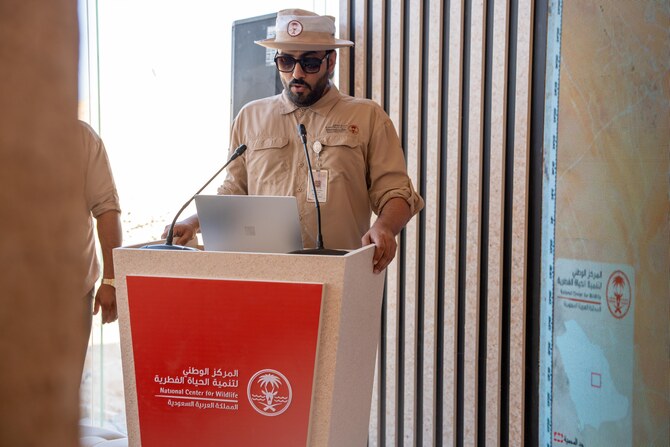
Mohammed Qurban, CEO of the National Center for Wildlife, said the center aimed to register all national reserves on the Green List as part of Saudi Vision 2030. (AN Photo: Huda Bashatah)
3 / 9
Abdullah Altlasat, General Manager of planning and protected areas monitoring department.(Supplied)
4 / 9
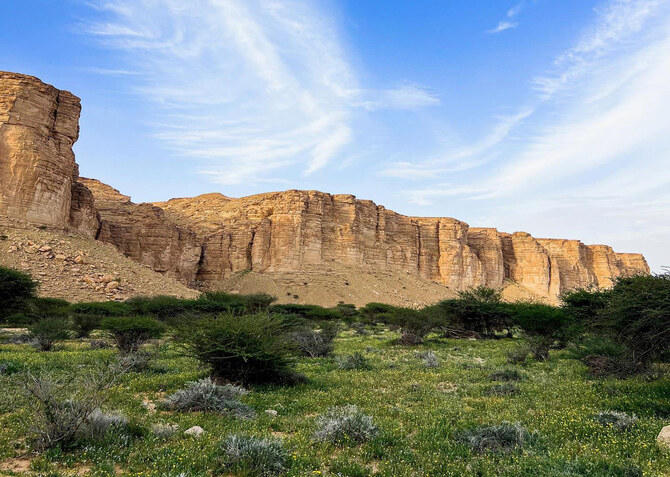
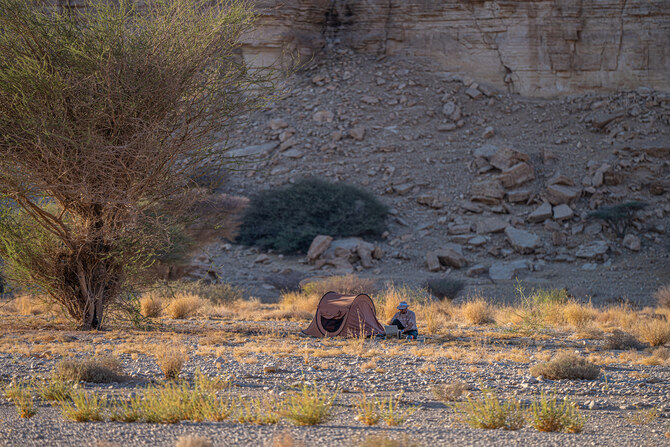
The Ibex Reserve has become the first protected area in the Kingdom to be added to the International Union for Conservation of Nature’s Green List. (Supplied)
5 / 9
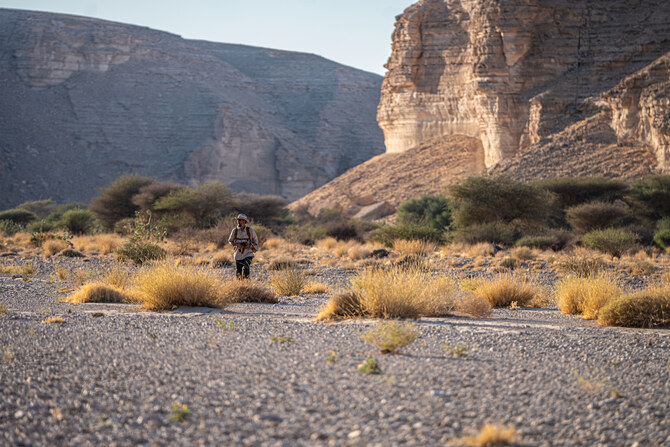
The Ibex Reserve has become the first protected area in the Kingdom to be added to the International Union for Conservation of Nature’s Green List. (Supplied)
6 / 9
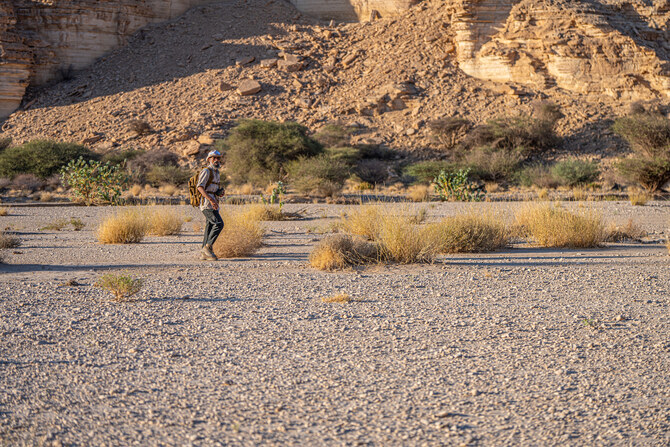
The Ibex Reserve has become the first protected area in the Kingdom to be added to the International Union for Conservation of Nature’s Green List. (Supplied)
7 / 9
The Ibex Reserve has become the first protected area in the Kingdom to be added to the International Union for Conservation of Nature’s Green List. (Supplied)
8 / 9
The Ibex Reserve has become the first protected area in the Kingdom to be added to the International Union for Conservation of Nature’s Green List. (Supplied)
9 / 9
The Ibex Reserve has become the first protected area in the Kingdom to be added to the International Union for Conservation of Nature’s Green List. (Supplied)
Short Url
Updated 30 October 2024
Follow

Ibex Reserve becomes first Saudi Green List protected area

  • Reserve joins group of 77 global sites added for excellence in conservation management

RIYADH: In a milestone for Saudi Arabia’s conservation efforts, the Ibex Reserve has become the first protected area in the Kingdom to be added to the International Union for Conservation of Nature’s Green List.

This recognition places it among only 77 protected areas worldwide that meet the union’s strict criteria for effective management and conservation, the Saudi Press Agency reported on Wednesday.

The National Center for Wildlife, which oversees the reserve, emphasized the significance of this recognition, as only a small number of more than 300,000 protected areas globally have earned a place on the Green List.

The Green List program recognizes outstanding areas for effective and equitable management in nature conservation, offering benefits to stakeholders.

For the Ibex Reserve, this listing marks a global endorsement, evaluated by independent experts, of its exemplary management and commitment to preserving ecosystems and biodiversity.


The Green List status highlights the reserve’s contribution to sustainable development and its success in providing valuable services to local communities.


The listing reflects the reserve’s achievement in key criteria, including governance, management, design and planning, along with its understanding of social, economic and environmental challenges.

Mohammed Qurban, CEO of the National Center for Wildlife, said: “This listing reaffirms our commitment to preserving ecosystems and supports our 30x30 goal to protect 30 percent of the Kingdom’s land and marine areas by 2030.”

Qurban added that the center aimed to register all national reserves on the Green List as part of Saudi Vision 2030, aligning with global conservation standards and promoting sustainable resource use.

Established in 1988 in the Riyadh region at the request of local communities, the Ibex Reserve spans 1,840 sq. km within the Tuwaiq Mountain range, featuring diverse landscapes, flora and fauna.

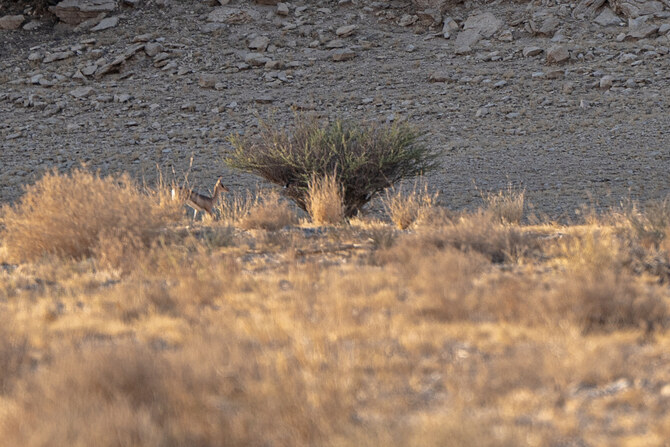
It is home to a healthy population of mountain ibex, as well as gazelles, antelopes, hyraxes, and various birds and reptiles.


King Abdulaziz Foundation reveals rare images from king’s 1916 Basra visit

Updated 20 December 2025
Follow

King Abdulaziz Foundation reveals rare images from king’s 1916 Basra visit

  • Photographs form part of a wider collection documented by British photographer Gertrude Bell

RIYADH: The King Abdulaziz Foundation has revealed archival photographs documenting King Abdulaziz’s tour of the outskirts of Basra in 1916, a visit that came at an early stage of his efforts to build regional relationships.

One of the photographs, taken by British photographer Gertrude Bell, shows King Abdulaziz standing with his men in the Basra desert, the Saudi Press Agency reported. 

The image reflects his early political and diplomatic engagement in the region, as he sought to strengthen ties with neighboring areas and engage with the wider Arab and international community, SPA added.

The photograph forms part of a wider collection documented by Bell, which records key developments and transformations across the Arabian Peninsula during the early 20th century.

The Basra visit holds particular significance in King Abdulaziz’s journey as a unifying leader. 

Rather than crossing borders in pursuit of power, the visit reflected an approach focused on stability, cooperation and long-term regional harmony, laying the groundwork for a leadership style defined by pragmatism and openness, SPA said.