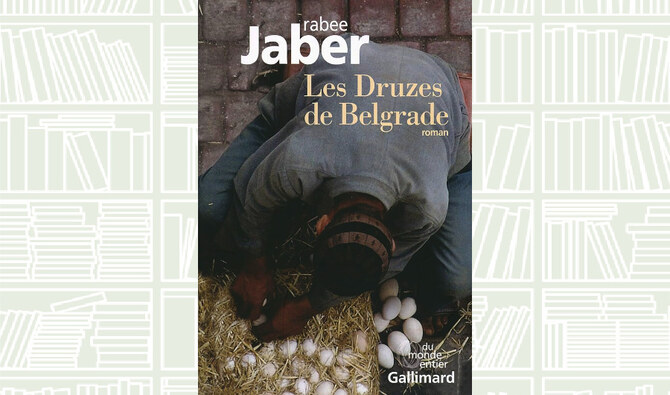

“The Druze of Belgrade” by Lebanese author Rabee Jaber is a sweeping historical novel that explores the complex and often misunderstood Druze community through the lens of one family’s saga. Set primarily in early 20th century Belgrade, the story follows the Durani clan as they navigate the political and social upheaval of the region, weaving together themes of identity, displacement, and the enduring bonds of family.
At the heart of the novel is Adham Durani, the patriarch, whose life is shaped by the tumultuous events of his time. As a young man, Adham flees his native Mount Lebanon and settles in Belgrade, where he establishes a successful trading business and starts a family. However, his hard-won stability is threatened by the outbreak of the First World War and the subsequent collapse of the Ottoman Empire, forcing the Durani clan to confront their precarious position as outsiders in a changing world.
The Druze are a religious minority with roots in the Middle East, and Jaber presents them deftly as they struggle with issues of tradition, allegiance, and assimilation. The Druze people find themselves caught between preserving their distinct cultural identity and assimilating into Serbian society as a whole. The political intrigue of the era, which puts the family in the crosshairs of nationalist movements and the shifting power dynamics in the Balkans, exacerbates this internal strife even more.
One of the novel’s strengths is its rich, multi-layered characterization. Adham is a complex, flawed protagonist who must confront his own demons and the consequences of his choices. His wife, Fatima, is a strong-willed woman who fiercely protects her family, even as she struggles with the weight of her own secrets. The younger generation of Durani including Adham’s children and grandchildren, are indelibly shaped by the turmoil of their era, leading to poignant and sometimes heartbreaking moments of generational conflict.
Jaber’s lyrical prose and attention to historical detail immerse the reader in the sights, sounds, and textures of early 20th century Belgrade. The novel’s sweeping scope, spanning decades and continents, is balanced by its intimate portrayal of the Durani family, whose triumphs and tragedies are inextricably tied to the larger forces of history.
“The Druze of Belgrade” is a rich and compelling exploration of identity, displacement, and the resilience of the human spirit. Jaber’s masterful storytelling and deep empathy for his characters make this novel a must-read for fans of literary fiction and historical epics alike.