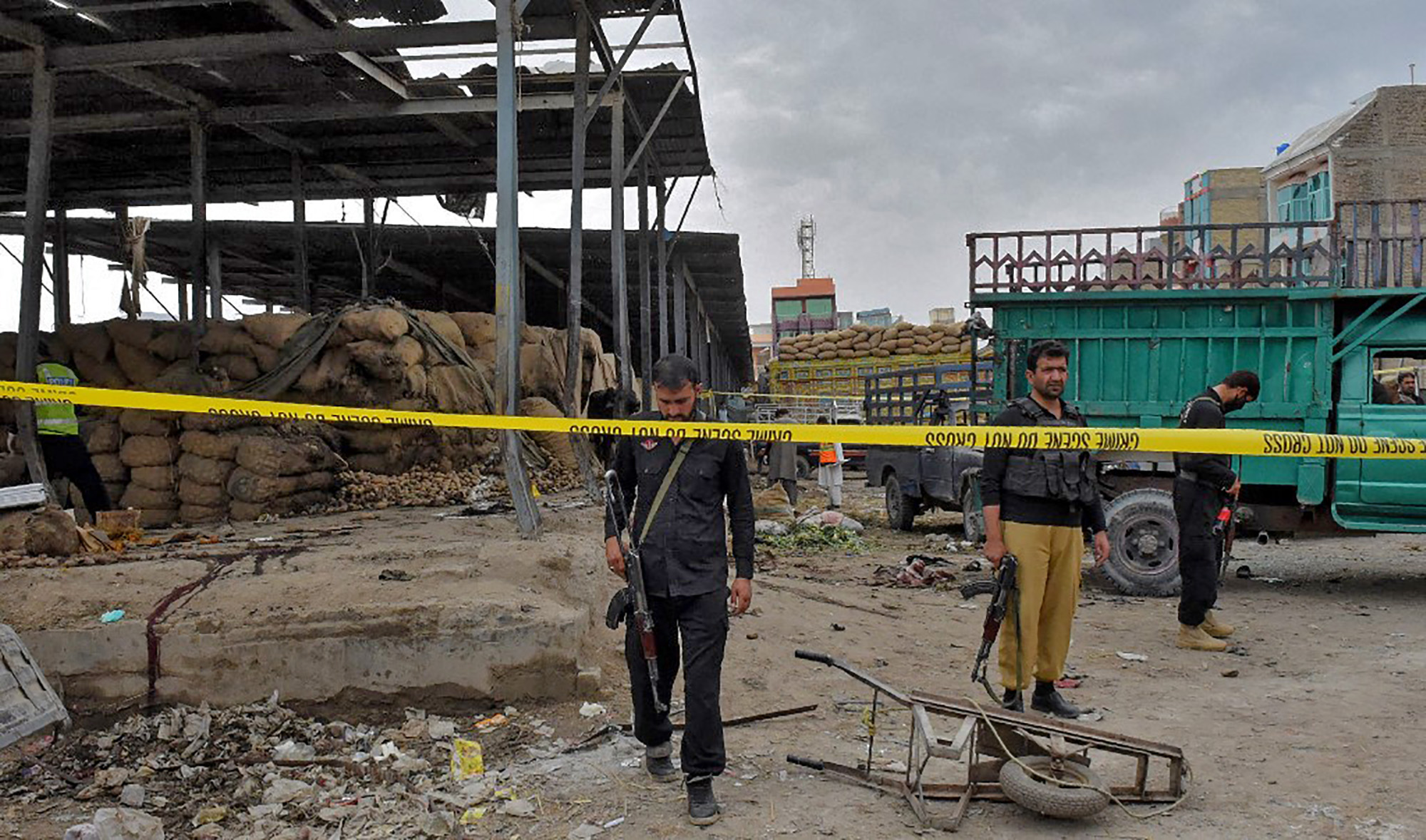
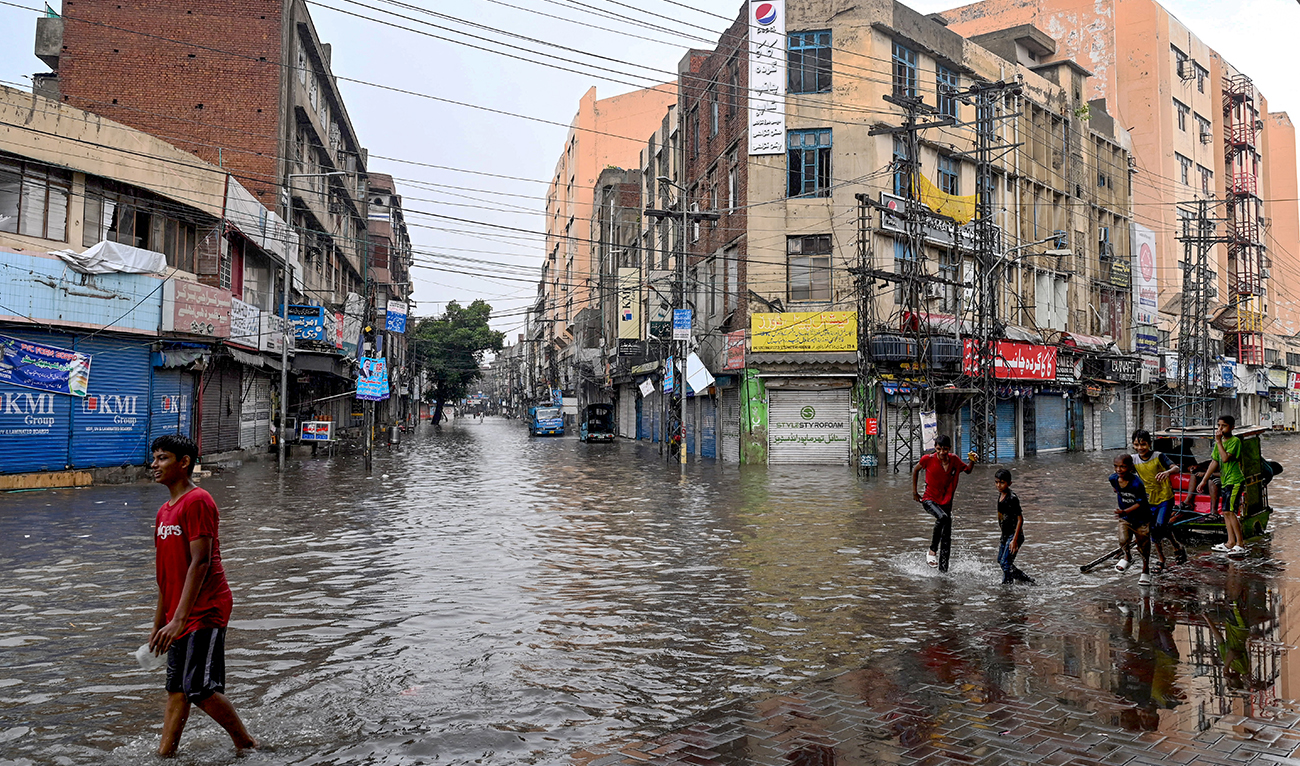
ISLAMABAD: Pakistan’s National Disaster Management Authority (NDMA) on Tuesday urged relevant state institutions to take necessary precautions ahead of a fresh spell of torrential rains from Aug. 14-18, warning it may trigger urban flooding in various parts of the country and increase water flow in rivers and streams.
According to the data gathered by provincial disaster management authorities in Punjab, Sindh, Balochistan and Khyber Pakhtunkhwa, monsoon rains have killed at least 172 people since the beginning of the season last month.
Pakistan is recognized as one of the most vulnerable countries in the world to climate change effects. A United Nations official warned in July that about 200,000 people could be affected by the ongoing monsoon season in Pakistan.
In 2022, torrential rains and floods killed over 1,700 people and caused estimated losses of over $30 billion to the Pakistani economy.
“The National Emergency Operations Center (NEOC) of the NDMA has anticipated further rains in various parts of the country from August 14 to 18, 2024,” the NDMA’s statement said. “Moderate to heavy rains are expected in catchment areas of Ravi, Chenab, and Jhelum rivers, as well as in parts of southern Balochistan, and central and southern Sindh.”
The statement said areas that could be affected adversely due to torrential rains include Murree, Galiyat, Mansehra, Kohistan, Chitral, Gilgit-Baltistan, Dir, Swat, Shangla, Nowshera, Swabi, Rawalpindi and Islamabad. It also said that streams and rivers in northeastern Punjab, Dera Ghazi Khan Division, Kalat, Khuzdar, Barkhan, Lasbela, and the hilly streams and torrents of Azad Kashmir could also be affected by floods.
The statement urged the authorities and general public to take necessary precautions to mitigate the potential impacts of flooding and landslides.
“NDMA issued instructions to all relevant departments to alert Emergency Response Teams and mobilized resources to ensure a swift response to any arising situations,” it continued. “Tourists are advised to avoid traveling to these areas during the forecasted period.”
Pakistan forecasts torrential rains, potential flooding this week as 172 killed since July
https://arab.news/mbf2n
Pakistan forecasts torrential rains, potential flooding this week as 172 killed since July

- Monsoon rains have killed at least 172 people since the beginning of the season last month
- NDMA asks the general public to take necessary precautions as the rainy season continues
Pakistan launches digital cash aid for low-income families during Ramadan, PM says
- Ramadan relief moves from state-run Utility Stores to targeted digital wallet transfers
- Government to transfer financial assistance through wallets to support sehri, iftar expenses
ISLAMABAD: Pakistan will provide financial assistance to low-income households through digital wallets during the fasting month of Ramadan, Prime Minister Shehbaz Sharif said on Thursday, announcing a government relief initiative aimed at helping families afford daily meals.
The support program comes as many Pakistanis continue to face elevated food and utility costs despite easing inflation, with Ramadan traditionally increasing household spending on staple foods, fruits and energy consumption.
For decades, government-run Utility Stores Corporation outlets were central to Ramadan relief in Pakistan, selling subsidized flour, sugar, ghee and pulses through special “Ramzan packages” that drew long queues in low-income neighborhoods. In recent years, however, authorities have steadily scaled back the system amid mounting losses, corruption complaints and logistical inefficiencies, shifting instead toward targeted cash transfers delivered through digital wallets and banking channels.
The change reflects a broader policy move away from state-managed commodity distribution toward direct financial assistance intended to give households flexibility while reducing leakages in subsidy programs.
“The Government of Pakistan has launched a Ramadan package under which financial assistance will be transferred to deserving individuals through digital wallets so that households can maintain sehri and iftar meals,” Sharif said in a message issued by his office.
The prime minister said Ramadan encourages compassion and collective responsibility toward vulnerable segments of society, adding that welfare support was part of the state’s duty during the holy month.
Officials say the digital cash transfers approach improves transparency and reduces corruption risks while enabling faster payments nationwide, particularly in urban low-income communities.
But the shift to fully digital assistance also brings challenges.
Access to smartphones and reliable mobile Internet remains uneven, particularly in rural areas and among older recipients, while many low-income households use SIM cards registered to someone else, complicating verification.