ISLAMABAD: Pakistan and Iraq have agreed on a slew of measures to facilitate Pakistani pilgrims traveling to the Middle Eastern country for the Arbaeen religious festival, state-run media said, which include easing travel restrictions and operating special flights between the two countries.
Arbaeen is a significant event in the Islamic calendar observed by Shia Muslims around the world. It signifies the end of a 40-day mourning period for Prophet Muhammad’s (peace be upon him) grandson Imam Hussain, who was killed in the Battle of Karbala in 680 CE.
Pilgrims from Pakistan and all around the world flock to the Middle Eastern country every year to pay tribute to Hussain on the occasion.
“Pakistan and Iraq have agreed to operate special flights for Pakistani pilgrims on the occasion of Arbaeen,” the state-run Associated Press of Pakistan (APP) said on Wednesday.
“Both sides agreed that Pakistani pilgrims traveling to Iraq for Arbaeen would no longer need to surrender their passports upon arrival.”
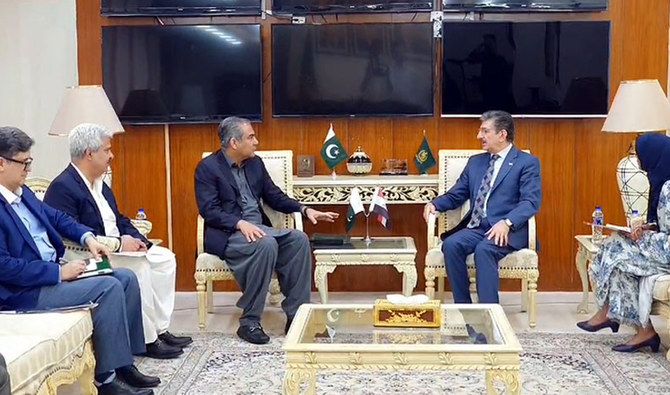
The decision was reached during a meeting between Interior Minister Mohsin Naqvi and Iraq’s Ambassador Hamid Abbas Lafta. As per the APP, both officials promised to make the religious journey smoother and more accessible for thousands of devotees.
It was agreed during the meeting that Iraq would increase the quota for Pakistani pilgrims and would issue them visas directly from the Embassy of Iraq, APP said.
The state media also said that a new Iraqi consulate would also be opened in Pakistan’s southern port city of Karachi.
Both countries would also initiate a crackdown on travel agents charging excessive fees to pilgrims, APP said. A visa waiver agreement on diplomatic and official passports was also reached during the meeting, the state media reported, adding that Pakistan requested the same for citizens who held regular passports.
Decisions taken in the meeting aimed to provide equal facilities to Pakistani pilgrims by ensuring a hassle-free experience, APP said. It said Naqvi also managed to secure approval from Aviation Minister Khawaja Asif to allow Iraqi airlines to operate special flights to Pakistan for the occasion.
This development marked a significant improvement in travel arrangements for Pakistani pilgrims, promising a more convenient and accessible journey to Iraq, APP said.


![]()

Pakistan, Iraq announce slew of measures for Pakistani pilgrims traveling for Arbaeen
Short Url
https://arab.news/w5eqx
Pakistan, Iraq announce slew of measures for Pakistani pilgrims traveling for Arbaeen
- Arbaeen marks end of 40-day mourning period for Prophet Muhammad’s (PBUH) grandson Imam Hussain
- Pakistani pilgrims traveling to Iraq will not have to surrender passports on arrival, says state-run media
Latest updates


© 2026 SAUDI RESEARCH & PUBLISHING COMPANY, All Rights Reserved And subject to Terms of Use Agreement.