WASHINGTON: Amid celebrations at getting a slew of US citizens and Kremlin opponents out of Russian prisons, the White House had one public regret Thursday: failure to get out an even bigger name — Alexei Navalny.
“We had been working with our partners on a deal that would have included Alexei Navalny and, unfortunately, he died,” US National Security Adviser Jake Sullivan revealed.
In the White House’s plans, the last truly high-profile political opponent of President Vladimir Putin should have been included in the historic swap that saw 16 people — including three US citizens and a US resident — freed in return for 10 Russians chosen by the Kremlin, including two minors.
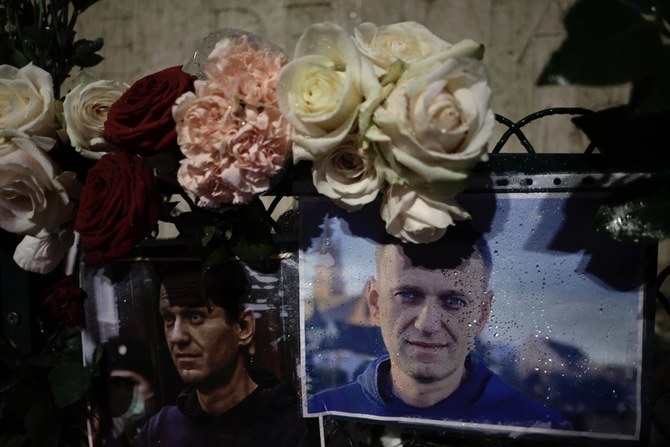
But in February 2024, just as the secret international talks were at a crucial stage, Navalny was pronounced dead at a notoriously brutal Russian Arctic prison, where he was serving a 19-year sentence after exposing Kremlin corruption.
Navalny was a larger-than-life figure whose bravery in confronting Putin, despite the deaths of multiple other Kremlin opponents over the years, amazed Russia watchers around the world.
After surviving an assassination attempt in which he was poisoned with a rare, Soviet-designed nerve agent, and then daring to return from safety in Germany to certain arrest in Russia, Navalny took on an aura of near-invincibility.
His sudden death behind bars shocked the White House team who had been trying to get the other prisoners home.
“The team felt like the wind had been taken out of our sails,” a senior US official told reporters.
When the news broke, national security chief Sullivan said he happened to be with the parents of one of the other key targets in the prisoner swap plan: Evan Gershkovich, a Wall Street Journal reporter arrested in Russia in March 2023.
“On the very day that he died, I saw Evan’s parents,” Sullivan said.
“I told them that the president was determined to get this done, even in light of that tragic news, and that we were going to work day and night to get to this day.”
And the plan worked.
On Thursday, the Western-chosen prisoners — including Gershkovich and a veteran Russian human rights campaigner — were flown to Turkiye and then home.
They also included two former aides to Navalny: Lilia Chanysheva, 42, and Ksenia Fadeyeva, 32.
The Russian-chosen prisoners — including a hitman and accused deep-cover spies — were flown to Moscow.
US Vice President Kamala Harris gave Navalny’s widow, Yulia Navalnaya, a call.
Harris, who is running to replace Biden in November, called “to dicuss the exchange and express her support,” Navalnaya spokeswoman Kira Yarmysh said on X.
And the Russian opposition figure’s widow urged efforts to get others out continue.
She “called on the international community to facilitate the release of other Russian political prisoners,” Yarmysh said.


![]()

US tried to get Navalny into Russia swap — but then he died
Short Url
https://arab.news/4rwrb
US tried to get Navalny into Russia swap — but then he died
- Navalny was pronounced dead at a notoriously brutal Russian Arctic prison in February


Latest updates


Recommended


© 2026 SAUDI RESEARCH & PUBLISHING COMPANY, All Rights Reserved And subject to Terms of Use Agreement.