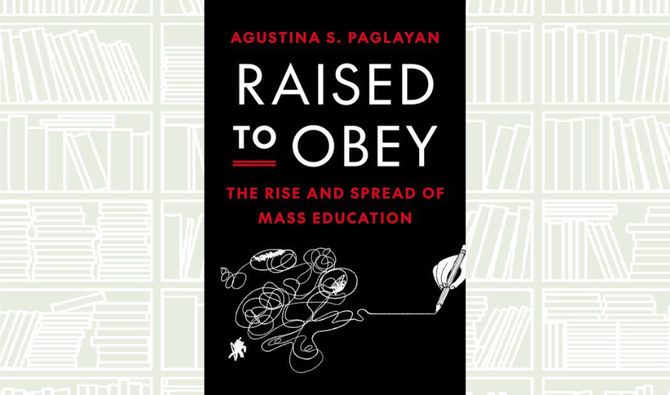

Nearly every country today has universal primary education. But why did governments in the West decide to provide education to all children in the first place? The introduction of broadly accessible primary education was not mainly a response to industrialization, or fueled by democratic ideals, or even aimed at eradicating illiteracy or improving skills. It was motivated instead by elites’ fear of the masses—and the desire to turn the “savage,” “unruly,” and “morally flawed” children of the lower classes into well-behaved future citizens who would obey the state and its laws.



What We Are Reading Today: Corporate Crime and Punishment
- Many critics of globalization and corporate impunity cheer this turn toward accountability
Author: Cornelia Wall
Over the past decade, many of the world’s biggest companies have found themselves embroiled in legal disputes over corruption, fraud, environmental damage, tax evasion, or sanction violations.
Corporations including Volkswagen, BP, and Credit Suisse have paid record-breaking fines.
Many critics of globalization and corporate impunity cheer this turn toward accountability. Others, however, question American dominance in legal battles that seem to impose domestic legal norms beyond national boundaries.
In this book, Cornelia Woll examines the politics of American corporate criminal law’s extraterritorial reach.


Latest updates


© 2026 SAUDI RESEARCH & PUBLISHING COMPANY, All Rights Reserved And subject to Terms of Use Agreement.