

ISLAMABAD: Pakistan is pushing Western countries to expedite the approval and visa issuance process for over 44,000 Afghan nationals awaiting resettlement following the Taliban takeover of Kabul in 2021, the foreign office spokesperson said on Thursday.
The United States’ presence in countries like Iraq and Afghanistan has relied on the life-saving assistance of thousands of locals who put themselves in danger to serve alongside US troops, diplomats, and contractors. These individuals provided linguistic, cultural, and geographic knowledge to the United States at great personal risk to themselves and their families.
Since 2006, Congress has established several Special Immigrant Visa (SIV) programs that allow eligible applicants to resettle to safety in the United States. After the fall of Kabul, thousands of Afghans who had filed such refugee resettlement applications entered neighboring Pakistan, but remain trapped in legal limbo, while facing persistent threats for their collaboration with the US.
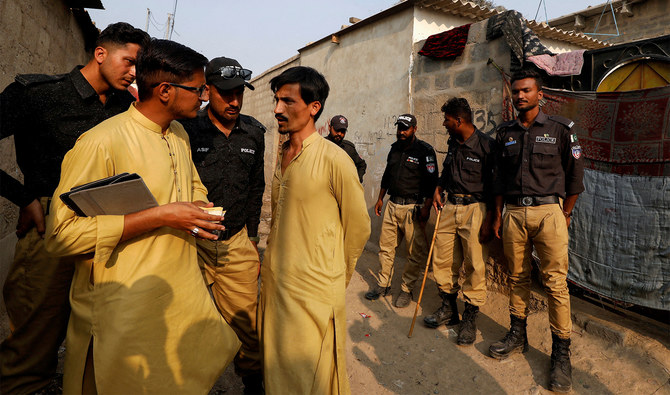
Last year, Islamabad began a drive to expel what it called all undocumented foreigners, a campaign that has disproportionately hit Afghans, with over 600,000 repatriated so far. Afghan rights activists and applicants of SIVs have said the deportation drive has also forcibly repatriated scores of Afghans awaiting resettlement in the United States, which Islamabad denies.
Speaking at a media briefing on Thursday, Baloch said the number of people who had been processed for relocation to third countries was “in the thousands,” with 9,000 awaiting relocation to Australia, 6,000 to Canada, 3,000 to Germany, over 1,100 to the United Kingdom, and more than 25,000 to the US.
“Pakistan has been working with governments of Australia, Canada, Germany, the US, the UK, France and Italy who agreed to take a certain number of Afghan nationals,” Baloch said. “For that we have remained engaged with them and we have urged them to expedite the approval and visa issuance process for these individuals so that they can relocate as early as possible.”
DEPORTATION DRIVE
Islamabad launched the deportation drive last year after a spike in suicide bombings which the Pakistan government, without providing evidence, says were carried out by Afghan nationals. Islamabad has also blamed them for smuggling, militant violence and other crimes.
A cash-strapped Pakistan navigating record inflation, alongside a tough International Monetary Fund bailout program last year, had also said undocumented migrants had drained its resources for decades.
Until the government initiated the expulsion drive last year, Pakistan was home to over four million Afghan migrants and refugees out of which around 1.7 million were undocumented, as per government figures.
Afghans make up the largest portion of migrants, many of whom came after the Taliban took over Kabul in 2021, but a large number have been present since the 1979 Soviet invasion of Afghanistan.
Islamabad insists the deportation drive is not aimed specifically at Afghans but at all those living illegally in Pakistan.
In October 2023, Pakistan announced phase one of the “Illegal Foreigners’ Repatriation Plan” with a 30-day deadline for “undocumented” aliens to leave the country or be subject to deportation, putting 1.4 million Afghan refugees at risk. Over 600,000 Afghans have been expelled under this phase.
In phase two, Afghans holding Pakistan-issued Afghan citizenship cards (ACCs) will be expelled while phase three is expected to target those with UNHCR-issued Proof of Registration (PoR) cards.
Speaking about Pakistan’s deportation drive, Baloch said phase one of the repatriation program had progressed “in a fast manner” over the past several months and was “nearing completion” while a mapping exercise was taking place before the launch of phase two.
“The implementation and start of phase two will be announced by the government of Pakistan and at this time I do not have an exact date to share,” Baloch added.
On Wednesday, Pakistan extended expired PoR cards given to almost 1.5 million Afghans for a year and Baloch said those holding such cards or who had refugee status in Pakistan were not being considered for deportation at this stage of the plan.
TALKS WITH PAKISTANI TALIBAN
Responding to a question about an offer by the Afghan Taliban government in Kabul to mediate talks between the Pakistan government and the Tehreek-e-Taliban Pakistan militant group, the FO spokesperson said the government had no plans to enter talks with “any terrorist organization” involved in the killing of Pakistani nationals.
The TTP has stepped up attacks against Pakistan security forces in recent months, with daily assaults on army and paramilitary posts and targeted killings of police and government officials.
Pakistan blames the surge on neighboring Afghanistan, saying Kabul was not doing enough to tackle militant groups using its territory to target Pakistan, which the Afghan Taliban deny.
“Pakistan has no design for entering into any talks with a terror group (TTP) that has been involved in killing of Pakistani citizens,” Baloch said. “We expect Afghan authorities to take action against terrorist groups which have found sanctuaries inside Afghanistan and use their territory for terrorist attacks against Pakistan.”