- Inquiry report last year revealed 13.76 million Pakistanis were charged for over 30 days of electricity usage
- PM Shehbaz Sharif directs authorities to suspend guilty officials, register cases against them
ISLAMABAD: Prime Minister Shehbaz Sharif this week directed authorities to take strict action against officers of power distribution companies who were found guilty of overbilling consumers, state-run media reported, as Pakistani brace for another massive power tariff hike this month.
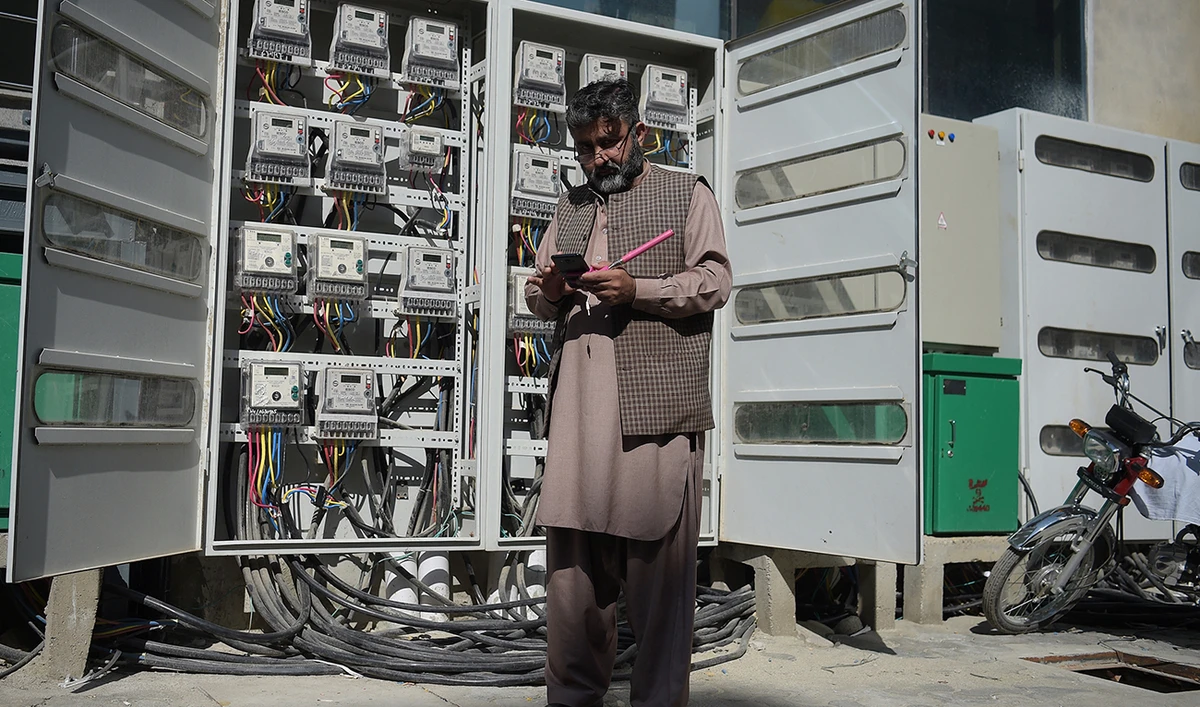
Last year, the National Electric Power Regulatory Authority (NEPRA) disclosed that Pakistan’s power distribution companies had charged excessive bills to consumers by adopting “illegal and unlawful practices.” This was revealed in a 14-page inquiry report after nationwide protests broke out last year in Pakistan over inflated bills.
The inquiry report revealed the billing cycles carried out by distribution companies ranged from 30 days to 40 days and even more. As per notified tariff terms and conditions, a billing period means a billing month of 30 days or less reckoned from the date of the last meter reading.
The inquiry report revealed that 13.76 million people were charged for more than 30 days of electricity usage, while 0.4 million were sent average bills due to faulty electricity meters.
“The prime minister said that exemplary punishment should be given to those officials who had included extra units in the monthly bills of consumers with their anti-public attitude, besides unmasking them who had sent extra units to the protected consumers’ category, using less than 200 units per month,” the Associated Press of Pakistan (APP) said.
This was said by PM Sharif as he chaired a high-level meeting to review reforms in the power sector on Saturday, APP reported.
The Pakistani premier tasked the power division to suspend such individuals and ordered the Federal Investigation Agency (FIA) to register cases against them.
He directed authorities to accelerate their efforts and tap into producing power from renewable energy resources, adding that Pakistan could no longer afford to generate power on imported fuel.
“He also expressed his resolve not to pass on the buck to the poor segment of society of the wrong policies and measures of the past,” the state media said.
Pakistan’s National Electric Power Regulatory Authority (NEPRA) has called a public hearing on July 8 on the question of passing on more than Rs700 billion additional burden to electricity consumers during the current fiscal year by jacking up the average national tariff by around Rs5.72 per unit.
The South Asian country approved the tariff to strengthen the government’s position in securing a fresh financial bailout from the International Monetary Fund (IMF) as it tries to wiggle out of a macroeconomic crisis.