PARIS: Climate activists in the United States and Europe are planning protests at airports, banks and the Olympic Games in a summer of stunts they have defended as necessary even if their tactics differ.
From blocking highways to spray painting jets and the megaliths at Stonehenge, and throwing food at artworks, some climate activists have turned to more provocative tactics since the Covid-19 pandemic put an abrupt end to the mass marches spurred by Greta Thunberg’s Fridays for Future movement.
The last 12 months have been the hottest ever recorded and with swathes of the world blanketed in extreme heat, campaigners have heavy-polluting corporations and business interests in their sights.
A22 Network, an alliance of activist groups committed to non-violent protest, said it was planning to disrupt airports in eight countries over the northern hemisphere summer.
Protests are planned in the UK, Austria, Netherlands, Switzerland, Canada, US, Scotland and Norway, UK-based activists from the alliance told AFP.
Global aviation is responsible for around 2.5 percent of global carbon emissions, more than the annual carbon footprint of Brazil and France combined.
“Our resistance will put the spotlight on the heaviest users of fossil fuels and call everyone into action with us,” Just Stop Oil, one of the groups that embraced more controversial forms of protests, said in a statement.
UK police said they pre-emptively arrested 27 supporters from Just Stop Oil before the protest had even begun under laws that make it illegal to conspire to disrupt national infrastructure.
But Gabriella Ditton, a spokesperson for the group, said the arrests hadn’t deterred them.
“While we face the massive crisis that we are in, we can’t stop,” she told AFP.
They are demanding governments sign the Fossil Fuel Non-Proliferation Treaty Initiative, which seeks a halt to the expansion of fossil fuels and the phasing out of coal, oil and gas.
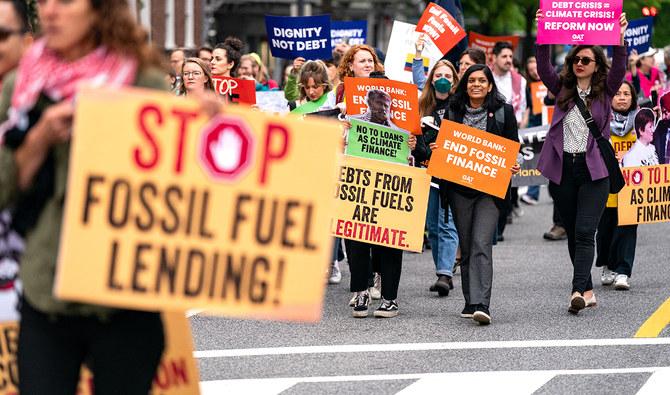
In the US, activists have been targeting Wall Street and barricading the entrances to major banks and firms that finance, insure and invest in fossil fuel companies.
Organizers of “The Summer of Heat” campaign have vowed “joyful, relentless non-violent direct action to end fossil fuel financing” over the coming months.
Notably in Europe, Extinction Rebellion (XR), once notorious for shutting down bridges over the Thames River in London, have shifted their main focus from mass civil disobedience to building an inclusive grassroots movement.
This summer, they are calling on governments in the UK and France to establish citizen assemblies on climate and nature, while picketing the companies insuring the fossil fuel industry.
Gail Bradbrook, XR’s co-founder, told AFP their new-look approach to climate activism strived “to reach more mainstream folks” and do “the deeper work of local organizing.”
They are, however, planning “mass occupations” over the summer — including one at the start of the Olympic Games opening in Paris on 26 July.
Organizers in France say this could last several days but would be “more visible than disruptive,” but have not offered further planning details.
Which approach is best at grabbing attention — and which is better at driving change — has been the subject of debate, particularly following polarizing stunts targeting famous landmarks.
When two Just Stop Oil activists threw orange cornflour on Stonehenge in June “they got a heck more media attention than by spraying paint on airfields,” said Dana Fisher, a sociologist at American University in Washington DC.
The goal of these “shock” actions “is to make people mad,” Fisher said. The more people talked about the protest, the more they discussed the climate issue, she added.
Several studies in the UK and Germany showed that public concern about climate change stayed the same — or even increased — after acts of civil disobedience even if most people were unsupportive of such stunts.
“Historically, there is substantial evidence that shows that the radical flank drives support for the cause and moderate factions,” said Fisher.
But between “glueing yourself to something, blocking a bank or throwing soup, which is more effective, we do not know yet,” she added.
For Jamie Henn, co-founder of campaign group 350.org and director of Fossil Free Media, “confrontational tactics work best when they’re confronting the source of the problem.”
“Mainstreaming the idea that we can finally go fossil free needs to be a top priority for the climate movement,” he said.
Laura Thomas-Walters, a social scientist at the Yale Program on Climate Change Communication, said political change was achieved “by targeting the people of power propping up the status quo, and we need to do it in a sustained way.”


![]()

Airports, Wall Street and Olympics in crosshairs of climate activists
Short Url
https://arab.news/grak9
Airports, Wall Street and Olympics in crosshairs of climate activists
- Last 12 months have been the hottest ever, with swathes of world blanketed in extreme heat
- Campaigners say they have heavy-polluting corporations and business interests in their sights
Latest updates





© 2026 SAUDI RESEARCH & PUBLISHING COMPANY, All Rights Reserved And subject to Terms of Use Agreement.