- Pakistan increased tax on textile exports to 29% of profits, while sales tax on retail increased to 18%
- Industrialists say the ‘regressive’ measures will eliminates incentives and drains liquidity from the sector
ISLAMABAD: The All Pakistan Textile Mills Association (APTMA) on Friday voiced severe concerns regarding the new federal budget and called it an “extremely regressive” one that “threatens” the textile sector and its exports.
The ambitious revenue targets for the fiscal year through June 2025, presented by Finance Minister Muhammad Aurangzeb in parliament this week, were in line with analyst expectations. Total spending was 18.87 trillion rupees ($68 billion).
Key objectives for the upcoming fiscal year included bringing the public debt-to-GDP ratio to sustainable levels and prioritizing improvements in Pakistan’s balance of payments position, the government’s budget document showed.
Non-tax revenue, including petroleum levies, was seen increasing by a whopping 64 percent, while sales tax would increase to 18 percent on textile and leather products as well as mobile phones.
Pakistani textile mill owners said the new budget could have “dire consequences” for employment and external sector stability as well as for overall economic and political stability of the South Asian country.
“The budget is based on extremely regressive tax policies. The tax rate on exports has increased from a 1 percent final tax regime to a staggering 29 percent on profits, plus a 2 percent
advance tax on export proceeds. This excessive taxation eliminates incentives for export-oriented activities and drains liquidity from the sector as the 2 percent advance tax will soak up all liquidity from low-margin high-volume industries like textile,” the APTMA said in a statement.
“This 18 percent sales tax and turnover tax will further disadvantage local manufacturers. These measures will further erode their competitiveness, causing huge reduction in domestic value addition in exports and deterioration of trade balance.”
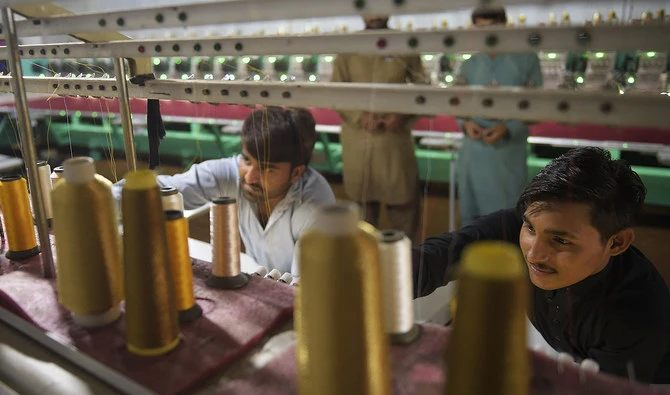
The textile sector body noted that after peaking at $19.3 billion in FY2021-22, textile exports had plummeted to approximately $16.5 billion in FY2022-23, while the trend continued throughout FY2023-24, with monthly exports consistently falling over $600 million below the installed capacity.
“This drastic decline highlights the urgent need for governmental intervention to support the sector. No measures have been put forward to resolve the industry-wide energy crisis,” it said.
“Grid power tariffs have soared to 16.4 cents/kWh and are expected to increase by another 2 cents/kWh following tariff rebasing in July. This is more than twice the regional average. The cross subsidy from industrial to other consumers is also expected to rise from Rs. 240 billion to Rs. 380 billion, exacerbating the financial strain on textile manufacturers and further eroding their competitiveness.”
The APTMA said rising energy costs, high interest rates, and the dysfunctional sales tax refund mechanism had pushed many firms to the brink of bankruptcy. It warned of a severe deterioration in both foreign and domestic investment prospects and destabilization of the external sector and overall economic growth for the years to come.
“APTMA urges the government to reconsider the FY25 budget and implement measures that address the prohibitive energy costs, rationalize taxation, and provide a conducive business environment to avert an imminent collapse of the textile sector,” the association said.
“Failure to do so will have catastrophic implications not only for the textile industry but for Pakistan’s entire economy and society.”
The South Asian country narrowly averted a default in June 2023 and its $350 billion economy has slightly stabilized after the completion of its last International Monetary Fund (IMF) program in April, with inflation coming down to around 17 percent in April from a record high of 38 percent in May last year.
Pakistan is still dealing with a high fiscal shortfall and while it has controlled its external account deficit through import control mechanisms, it has come at the expense of stagnating growth, which is expected to be around 2 percent this year, compared to negative growth last year.
The South Asian country is currently holding talks with the IMF to seek $6-8 billion under an new, longer-term program and request additional financing from the IMF under the Resilience and Sustainability Trust.