
DHAHRAN: When William “Wink” Winkler of Samford University landed in Saudi Arabia earlier this month for the 10th edition of the Saudi Film Festival, held in Dhahran, he felt he had discovered a new frontier in cinema and technology.
At the invitation of the American Chamber of Commerce and US Consulate in Dhahran, the instructor of digital arts brought with him a wealth of knowledge and experience to conduct a masterclass in artificial intelligence in filmmaking.
However, during his week-long visit, Winkler also gained a fresh perspective on the Saudi film industry, its burgeoning local talent, and how breakthroughs in AI will transform the way movies are made in the Kingdom.
“I learned that the Saudi people are passionate and excited,” Winkler told Arab News. “They can tell amazing stories, original Saudi stories, and as they start to embrace new and emerging technology, that will help them to do that.”
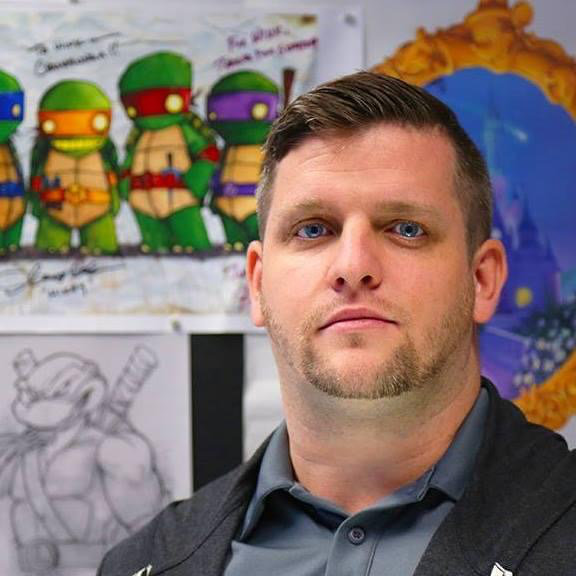
William “Wink” Winkler
AI is still considered an emerging technology, but one that is evolving rapidly. In just the past two years, generative AI programs have progressed from producing janky text and surreal images to creating prose and visuals that could pass as human-authored.
As a giant aggregator of sorts, AI can instantly sift through vast amounts of data in an instant and use existing scripts and screenplays to identify patterns and generate curated story ideas.
While the creative aspect of AI is still imperfect and causes some discomfort among screenwriters, the technology has many other more rudimentary applications in the filmmaking process.
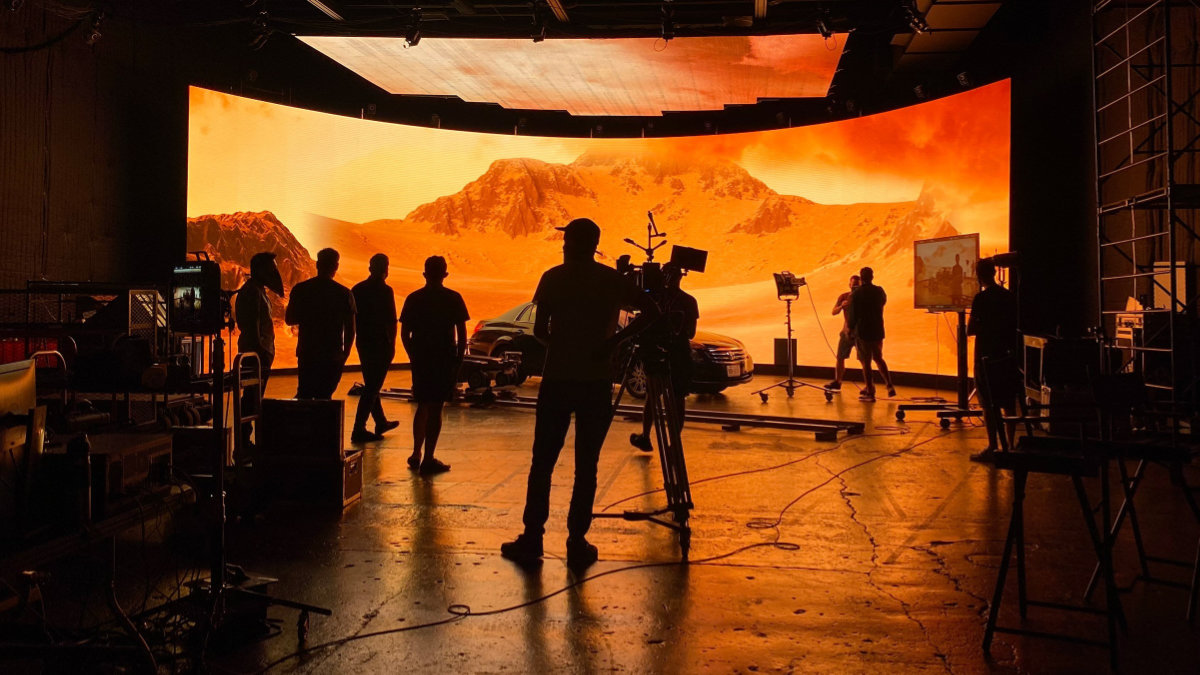
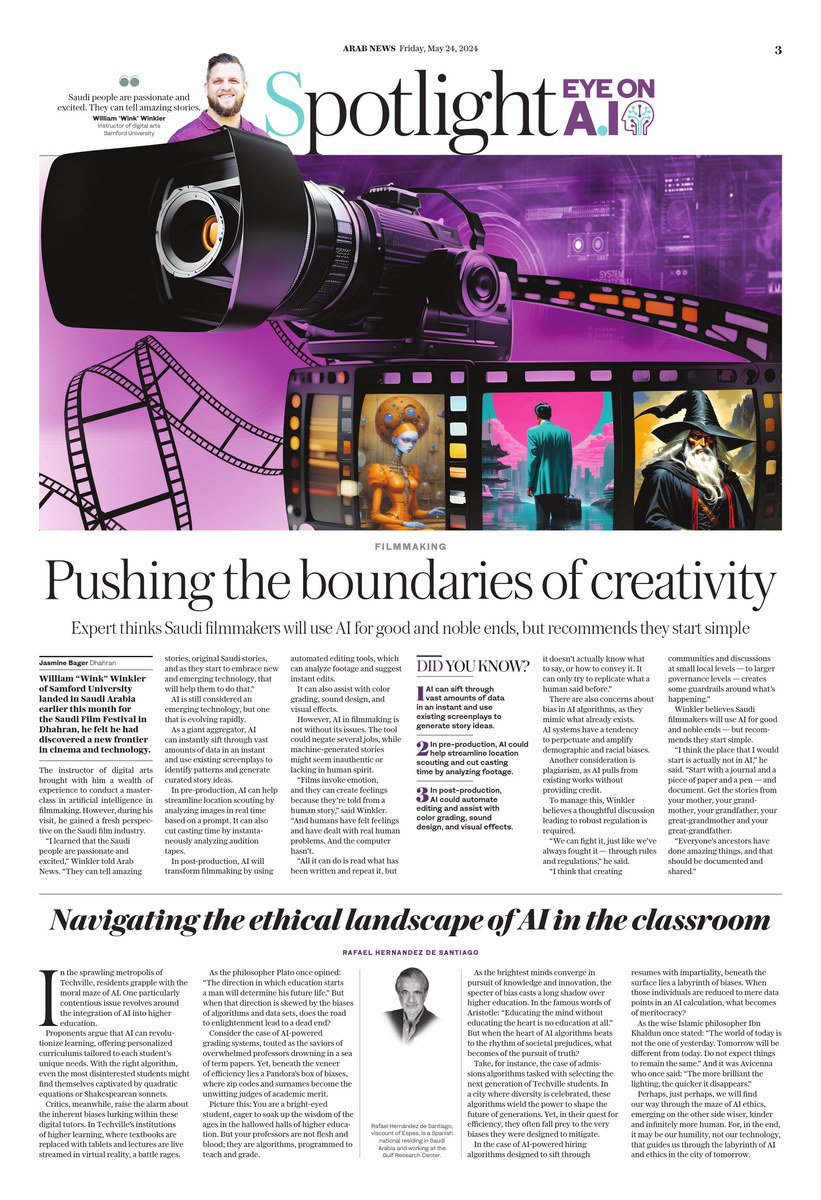
AI could make work easier by automating parts of the filmmaking process that are grueling and time-consuming, says digital arts instructor William “Wink” Winkler. (Supplied)
In pre-production, for instance, AI can help streamline location scouting by analyzing images and videos in real time to suggest settings based on a prompt. It can also cut casting time by instantaneously analyzing audition tapes to identify which actor best fits a particular character.
Post-production is another area where AI will transform filmmaking by using automated editing tools, which can analyze footage and accurately suggest instant edits based on factors like composition and pacing.
It can also assist with traditionally manual tasks, such as color grading, sound design, and visual effects.
DID YOUKNOW?
• AI can sift through vast amounts of data in an instant and use existing screenplays to generate story ideas.
In pre-production, AI could help streamline location scouting and cut casting time by analyzing footage.
In post-production, AI could automate editing and assist with color grading, sound design, and visual effects.
Many filmmakers already use computer-generated imagery — or CGI — to digitally create an asset, character, or effect that was not caught on camera. This advancement has thereby automated parts of the process that were often grueling and time-consuming.
CGI has also benefited from recent AI advancements with more curated algorithms that can generate realistic characters and create fantastical environments from thin air, reducing the need for extensive practical effects or location shoots.
However, AI in filmmaking is not without its issues. The tool will undoubtedly negate many jobs in the industry, while machine-generated stories might seem inauthentic, lacking in depth, relatability, and human spirit.
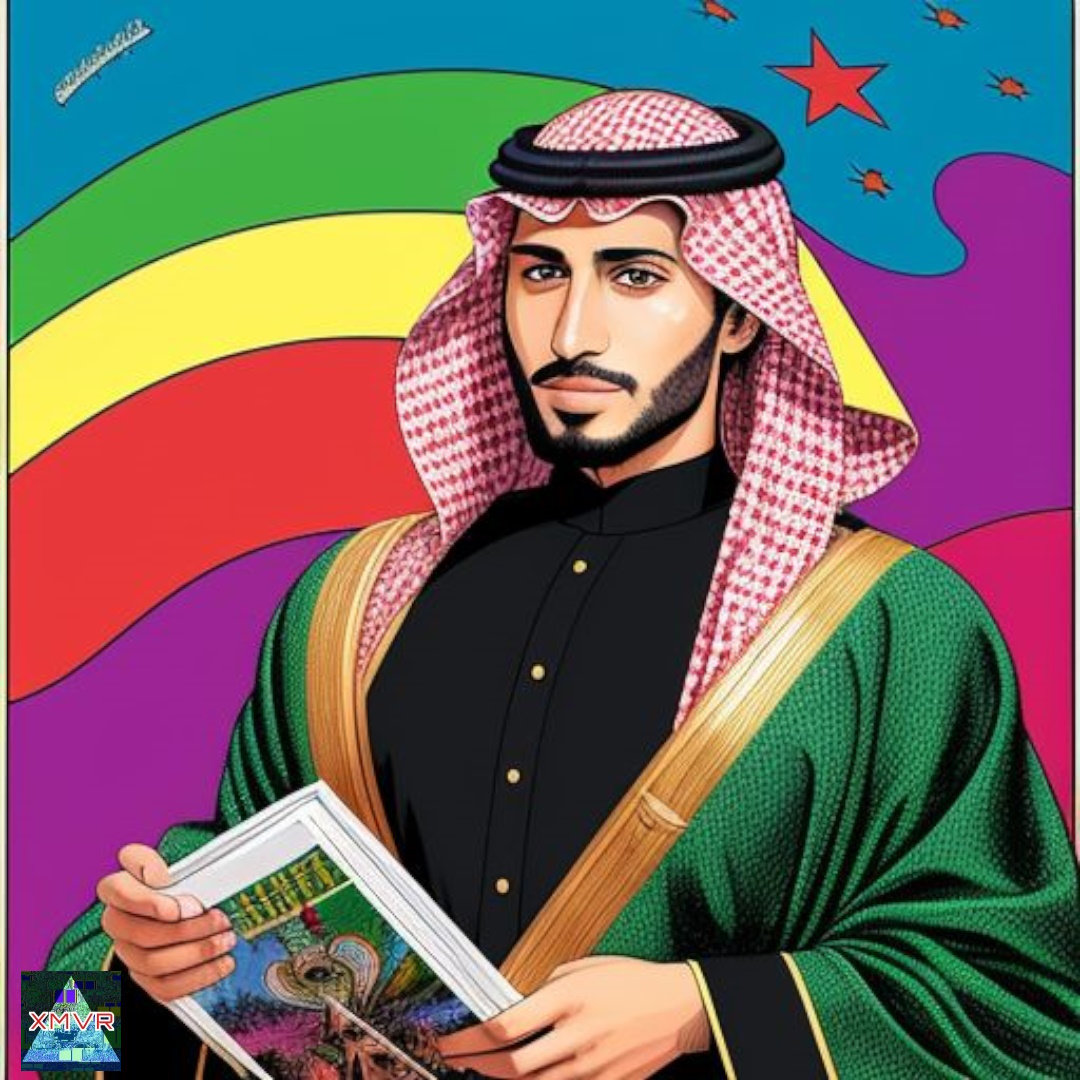
AI art by Omar Alabdulhadi
“Films invoke emotion, and they can create feelings because they’re told from a human story,” said Winkler. “And humans have felt feelings and have dealt with real human problems. And the computer hasn’t.
“All it can do is read what has been written and repeat it, but it doesn’t actually know what to say, or how to convey it. It can only try to replicate what a human said before.”
There are also ongoing concerns about data protection and bias in AI algorithms — something that has been an issue for social media for some time, as the algorithm merely mimics what already exists.
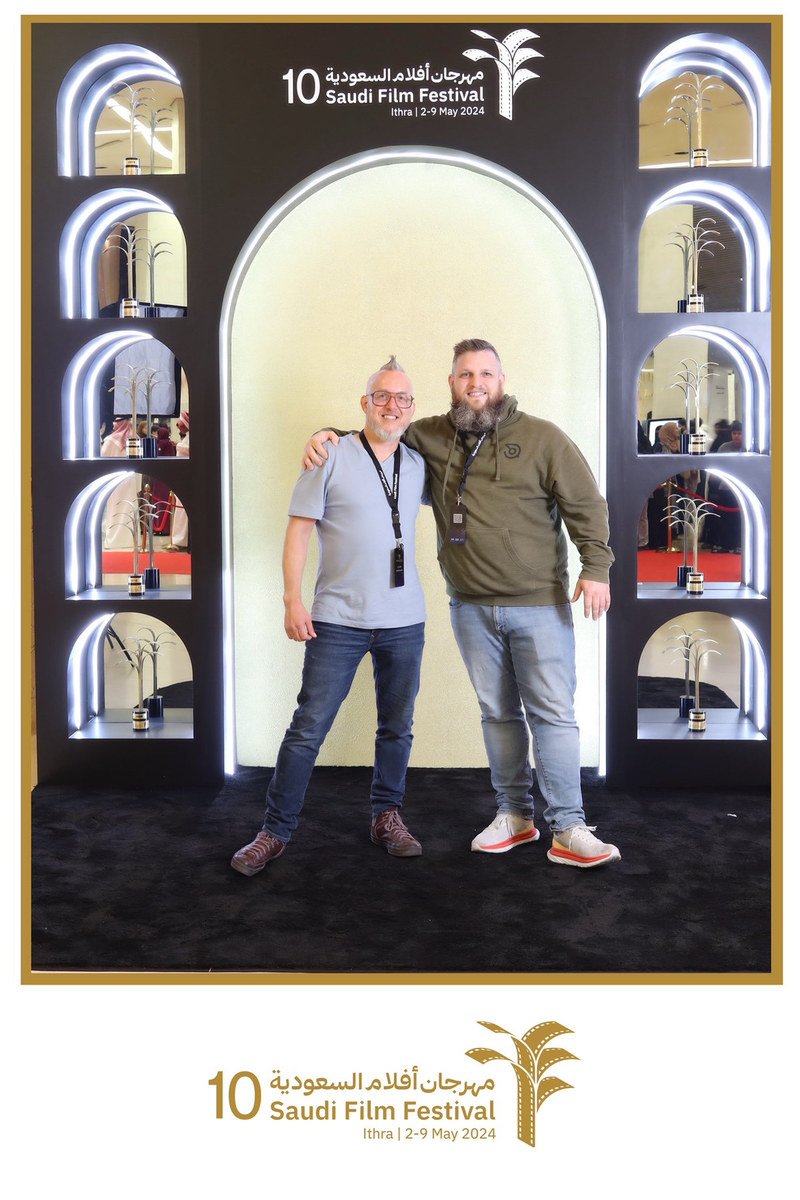
William “Wink” Winkler along with fellow US expert Travis Blaise who flew in to Dhahran to conduct workshops for the Saudi Film Festival. (AI art by Omar Alabdulhadi)
AI systems have a tendency to perpetuate and amplify demographic and racial biases. This can lead to discriminatory outcomes that are not inclusive, such as only generating characters it deems conventionally beautiful — oftentimes slim, blonde, and light-skinned.
Another consideration is the ethics of plagiarism, as AI pulls from existing works created by humans and generates an entirely new work without providing credit.
To manage the potential for plagiarism and the amplification of harmful biases by AI systems and those employing them, Winkler believes a thoughtful discussion leading to robust regulation is required.
Opinion
This section contains relevant reference points, placed in (Opinion field)
“There’s always going to be evil people. We can fight it, just like we’ve always fought it — through rules and regulations,” he said.
“I think that creating communities and discussions at small local levels — to larger governance levels — creates some guardrails around what’s happening. The more ethical, morally good people get involved to help fight the evil, the better.”
Sora is a groundbreaking text-to-video AI model developed by OpenAI — the firm behind ChatGPT — that takes written prompts and converts them into dynamic videos.
The technology can instantly generate high-quality videos with detailed scenes and complex camera movements — with just a few written descriptions.
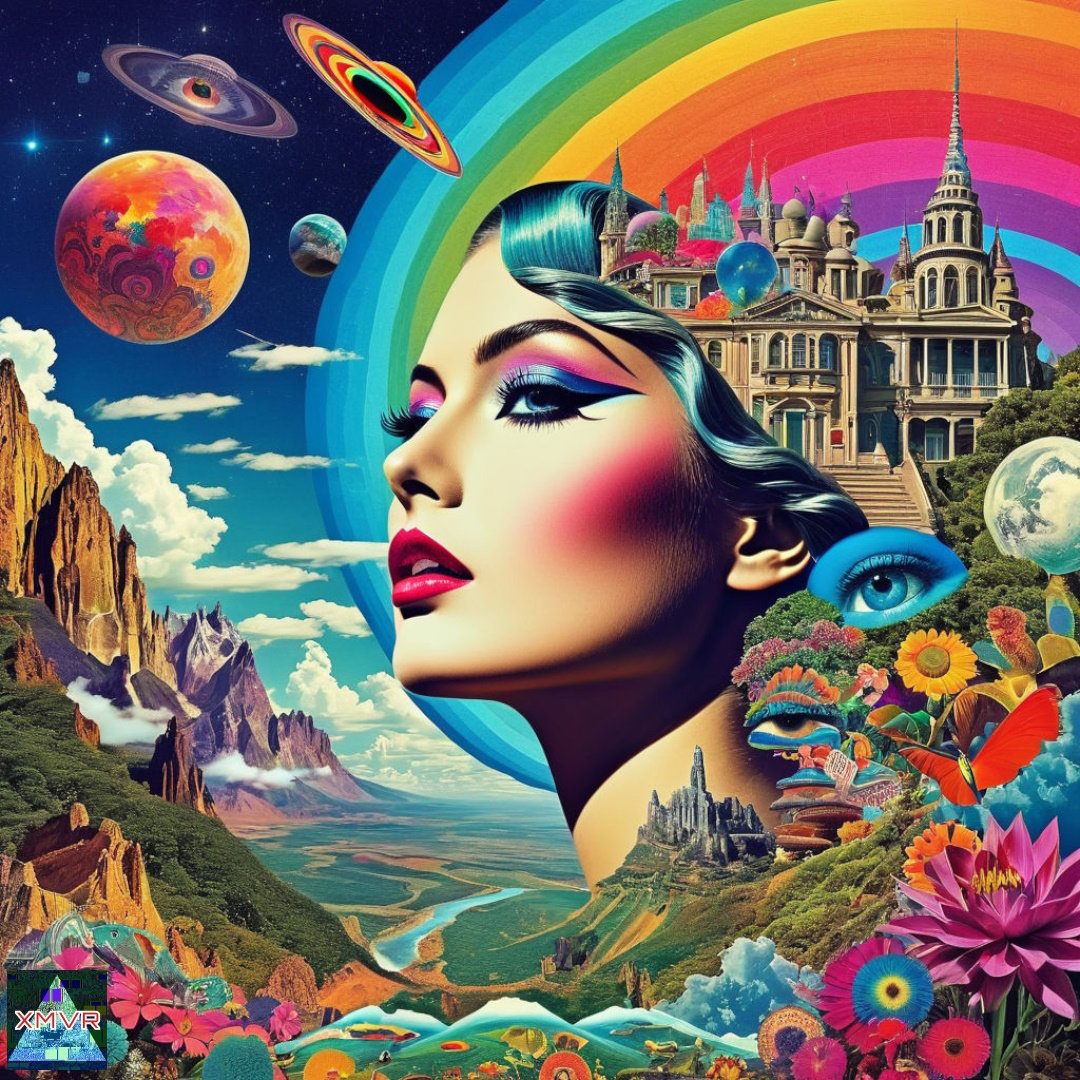
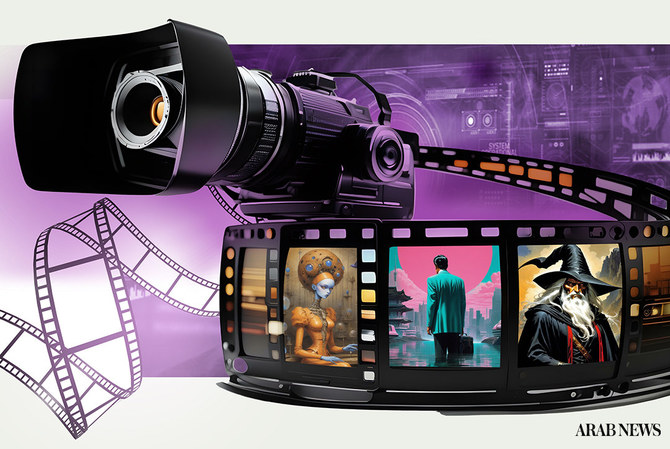
Surreal AI art collage by Saudi creator Omar Alabdulhadi. (Supplied)
There are concerns, however, about the potential misuse of programs like Sora to create “deepfakes” — digital forgeries that take a human likeness and fabricate images of them saying or doing things that never happened in reality.
These fabricated images can look and seem so realistic that it can be difficult to distinguish between what is real and what is not. Besides the obvious reputational risks, such deepfakes could also undermine trust in institutions and even lead to conflict.
In the film world, such technology could also cost jobs. Why would studios hire human actors if the AI can make their digital likeness do and say anything without rehearsal — performing better than the original, perhaps?
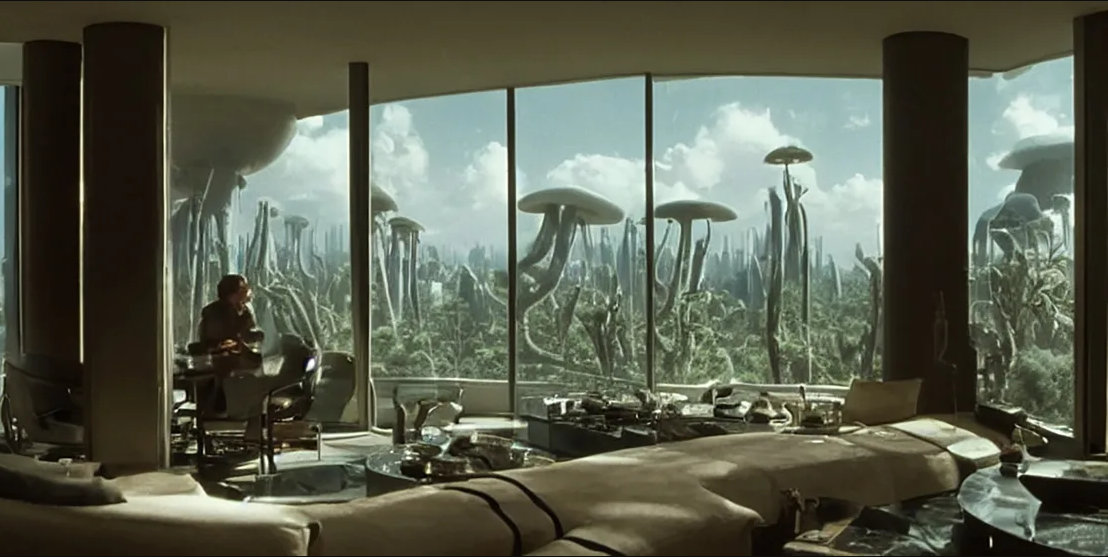
This image, which is part of the "Salt" short-film series by Fabian Stelzer and was created via Stable Diffusion. (Supplied)
Winkler believes Saudi filmmakers will use AI for good and noble ends — but recommends they start simple.
“I think the place that I would start is actually not in AI,” he said. “Start with a journal and a piece of paper and a pen — and document. Get the stories from your mother, your grandmother, your grandfather, your great-grandmother and your great-grandfather.
“Everyone’s ancestors have done amazing things, and that should be documented and shared.”

Surreal AI art collage by Saudi creator Omar Alabdulhadi. (Supplied)
One Saudi creator who is dabbling in AI is Dhahran resident Omar Al-Abdulhadi. While he believes AI technology has not yet been perfected, he is keen to see the market thrive and grow in the creative industries.
“All the anti-AI artists will accept the fact that AI is the future,” Al-Abdulhadi told Arab News, acknowledging the seeming inevitability of the technology’s adoption. But, with the right regulation and careful use, it does not have to be bad.
Winkler agrees. Furthermore, he believes the Kingdom is ideally placed to help this emerging industry grow. With such a young population made up of digital natives, Winkler says Saudi creatives can be future leaders in the field.
“The technology is not available right now, but I imagine that it will be very soon,” he said. “I don’t have the team or the time to do it — but maybe the Saudis can do it and change visual effects forever.”