

Saudi nature reserve becomes Kingdom’s ‘first major biodiversity site’

1 / 4
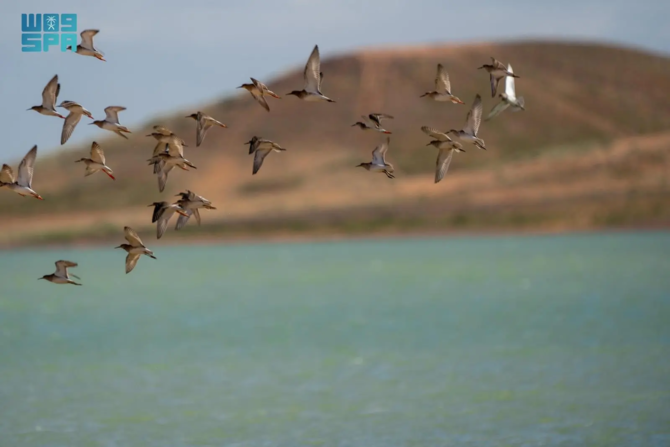
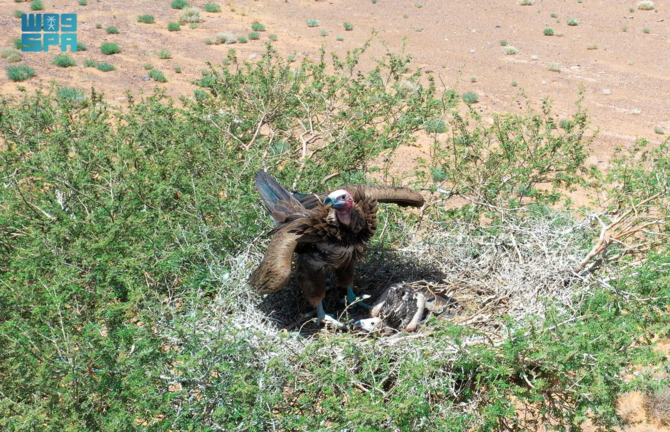
King Salman bin Abdulaziz Royal Reserve Development Authority announces accreditation as the first major biodiversity site in Saudi Arabia. (SPA)
2 / 4
King Salman bin Abdulaziz Royal Reserve Development Authority announces accreditation as the first major biodiversity site in Saudi Arabia. (SPA)
3 / 4
King Salman bin Abdulaziz Royal Reserve Development Authority announces accreditation as the first major biodiversity site in Saudi Arabia. (SPA)
4 / 4
King Salman bin Abdulaziz Royal Reserve Development Authority announces accreditation as the first major biodiversity site in Saudi Arabia. (SPA)
Short Url
Updated 22 May 2024
Follow

Saudi nature reserve becomes Kingdom’s ‘first major biodiversity site’

  • Accreditation follows evaluation of King Salman bin Abdulaziz Royal Natural Reserve by the international organization Key Biodiversity Areas

RIYADH: Saudi Arabia’s King Salman bin Abdulaziz Royal Natural Reserve has been granted accreditation as “the first major biodiversity site in the Kingdom.”

The organization Key Biodiversity Areas confirmed the accreditation, after an evaluation based on international standards, on its website on Wednesday. It said the reserve meets three global standards, including the presence of endangered species, and so qualifies for inclusion. The announcement coincided with International Day for Biological Diversity, which takes place on May 22 each year.

KBA works to monitor and preserve approved sites of great importance as part of its efforts to sustain biological diversity on a global level, the Saudi Press Agency reported.

The Saudi reserve is managed by the King Salman bin Abdulaziz Royal Natural Reserve Development Authority with the aim of protecting endangered species, developing natural habitats, raising environmental awareness among the public, and reducing natural and human threats to the area. It is considered the largest nature reserve in the Middle East, covering a total area of 130,700 square kilometers.


Japan consulate in Jeddah celebrates cinema with Red Sea Film Festival guests

Updated 13 sec ago
Follow

Japan consulate in Jeddah celebrates cinema with Red Sea Film Festival guests

JEDDAH: As part of the celebrations marking 70 years of diplomatic relations between Japan and Saudi Arabia, the Consulate General of Japan in Jeddah hosted a special reception on Sunday evening for guests of the Red Sea International Film Festival.

The gathering, held at the consul general’s residence, highlighted the strengthening cultural ties between the two nations and Japan’s growing presence at the festival.

Speaking to Arab News on the sidelines of the event, Daisuke Yamamoto, consul general of Japan in Jeddah, said: “We are happy to have a gathering today. This is the first time Japan has held this kind of event related to the Red Sea Film Festival. Although it is the festival’s fifth edition, Japanese representation in previous years was limited. I encouraged our film industry to engage more, and I am happy that five Japanese films are being screened this year.”

While noting the absence of Japanese actors at the festival, he said the presence of producers and directors marks an important step forward. “There are already discussions about potential collaborations, and this reception is an excellent opportunity to build on the proposal we received from the Red Sea organizers.”

Yamamoto highlighted the longstanding partnership between Japan and Saudi Arabia in key sectors such as petrochemicals and the automotive industry, and expressed hope that cinema will become a new bridge for cooperation.

“I have known Saudi Arabia for many years and have seen remarkable, positive changes. We hope the Japanese film industry can be part of this dynamic transformation as well,” he added.

The event, organized in cooperation with the Red Sea Film Foundation, brought together about 50 attendees, including government officials, several consuls general, representatives from the Jeddah Historic District Program, festival guests and Saudi cultural figures.

Welcoming the guests, Yamamoto expressed his appreciation to the Ministry of Culture, the Jeddah Historic District authorities, and the Red Sea Film Foundation for their close cooperation throughout the year.

He noted the increasing cultural engagement between the two countries, including the hosting of several Japanese cultural programs in the historic district.

“Cinema is a noble art and a global cultural window that connects peoples and fosters cultural exchange, thus promoting openness to cultural diversity,” Yamamoto said in his address.

This aligns with the goals of Saudi Vision 2030, he added. “Our two friendly countries are collaborating to achieve this vision through the ‘Saudi-Japanese Vision 2030’ Committee, and the Ministry of Culture, through its Jeddah Historical District, is implementing it with insightful and open leadership to the fullest extent.”

Well-known Saudi actor, writer and producer Abdullah Al-Sadhan, who attended the reception, praised both the festival and the Japanese Consulate for their hospitality.

“It’s always a pleasure to return to the Red Sea International Film Festival and see how it continues to grow,” he said, adding: “This gathering by the Japanese consulate reflects a genuine interest in building bridges with our film community. Events like this open the door for stronger cooperation between Saudi and Japanese creators, which can only enrich the industry on both sides.”

Maiyada Mahdaly, secretary of the consul general, said: “Through this event, we celebrated the vibrant spirit of cinema and the growing cultural connection between our countries. We also welcomed talents from Saudi Arabia, Japan and beyond to honor creativity, collaboration and the power of storytelling that transcends borders.”