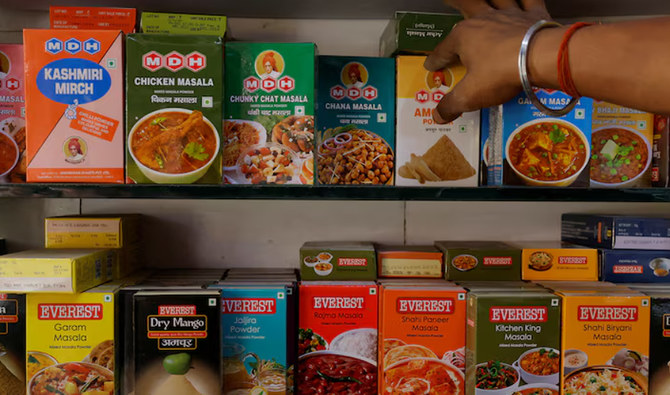
KATMANDU: Nepal has become the latest jurisdiction to ban the import and sale of two popular Indian spice brands after reports that some of their products contained a cancer-causing pesticide, officials said Friday.
Hong Kong and Singapore last month banned products from Everest and MDH — two brands popular in India and exported worldwide — after tests detected the presence of ethylene oxide, according to media reports.
Besides its use as a pesticide, ethylene oxide is used to sterilize medical equipment and as a sterilising agent in spices to prevent illnesses caused by salmonella and E. Coli bacteria.
Regular exposure to the colorless and odourless compound increases the “risk of cancers of the white blood cells,” according to the US Environmental Protection Agency.
Matina Joshi Vaidya, chief of Nepal’s Department of Food Technology and Quality Control, told AFP that the Himalayan country had also decided to halt the sale of the spice blends.
“It is an issue of public health,” she said. “We have its banned import and sale from Thursday.”
Nepal has banned four products — three variants produced by MDH and one by Everest.
“We do not have the lab resources to run the tests in the country. The ban will be lifted when Indian authorities declare it safe,” Vaidya said.
Everest and MDH are India’s top two spice brands with a market share of 16 and 10 percent respectively in 2022, according to consumer research monitor Statista.
Both companies have put out statements denying their products pose a health hazard to consumers after the Singapore and Hong Kong import bans.
“We clarify and state unequivocally that these claims are untrue and lack any substantiating evidence,” MDH said last month on social media platform X.
India’s food regulation agency has asked for state authorities to carry out random testing of spice products, broadcaster NDTV reported.


![]()

Nepal latest to ban Indian spice brands over safety concerns
Short Url
https://arab.news/4r49u
Nepal latest to ban Indian spice brands over safety concerns
- Hong Kong, Singapore last month banned products from Everest and MDH after tests detected presence of ethylene oxide
- Besides its use as a pesticide, ethylene oxide is used to sterilize medical equipment and as a sterilising agent in spices
Latest updates


© 2026 SAUDI RESEARCH & PUBLISHING COMPANY, All Rights Reserved And subject to Terms of Use Agreement.