

PIA operations to Dubai, Sharjah ‘severely affected’ due to UAE rains

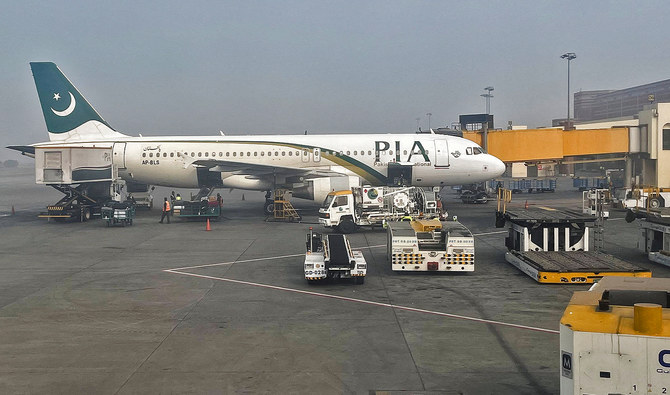
View of a Pakistan International Airlines (PIA) passengers plane, taken through a glass panel, at the Allama Iqbal International Airpor in Lahore, Pakistan on January 29, 2024. (REUTERS/File)
Short Url
Updated 02 May 2024
Follow

PIA operations to Dubai, Sharjah ‘severely affected’ due to UAE rains

  • Extreme weather in UAE expected to continue until Friday, authorities have issued safety advisories for residents
  • Latest rains come two weeks after Dubai was hit by unprecedented storms that paralyzed the emirate for days

KARACHI: Pakistan’s national carrier PIA said on Thursday its operations to Dubai and Sharjah had been “severely affected” by a latest spell of heavy rains in the UAE and would remain suspended until further notice.

UAE residents woke up to heavy rain, thunderstorms, and strong winds on Thursday morning, as predicted by the UAE’s National Center of Meteorology (NCM) on Wednesday, May 1. The extreme weather is expected to continue until Friday, May 3, and authorities have issued safety adviseries for residents.

The latest rains come two weeks after Dubai was hit by unprecedented storms that paralyzed the emirate for days.

“Air operations to Dubai and Sharjah are severely affected due to heavy rains in UAE,” PIA said in a statement. “Air operations of other airlines including PIA will remain suspended for the time being.”

The airline said passengers of affected flights should contact PIA call center 786 786 111 for their flight information and alternative arrangements.

Last month, Dubai had to endure the towering task of clearing its water clogged roads and drying out flooded homes after a record storm saw a year’s rainfall in a day. Dubai International Airport, a major travel hub, also struggled for days to clear a backlog of flights and many roads were still flooded in the aftermath of the deluge.

The rains were the heaviest experienced by the United Arab Emirates in the 75 years that records have been kept. They brought much of the country to a standstill and caused significant damage, flooding trapped residents in traffic, offices and homes and overrunning malls and roads. 


Punjab tells court 17 killed during Basant kite-flying festival this month

Updated 5 sec ago
Follow

Punjab tells court 17 killed during Basant kite-flying festival this month

  • Report by provincial authorities says electrocution, rooftop falls among leading causes
  • Festival was revived this year after nearly two decades of ban over safety concerns

ISLAMABAD: The Punjab government on Wednesday informed the Lahore High Court 17 people were killed in Lahore during the Feb. 6–8 Basant kite-flying festival, which was revived this year after nearly two decades of restrictions.

Basant, a traditional Punjabi spring festival marked by rooftop kite flying, was banned in Punjab after repeated fatalities linked to metallic or chemically treated kite strings, electrocution from power lines, rooftop falls and injuries to motorcyclists.

The provincial government revived the festival this year under regulatory measures that included restrictions on hazardous kite string and enforcement protocols aimed at preventing injuries.

“It is respectfully submitted that during kite flying festival 2025, 17 casualties have been reported in District Lahore due to electrocution (3), falling down from rooftop (12) and trees (2),” according to a supplementary report submitted in compliance with a court order dated Feb. 17.

The supplementary report was filed by provincial authorities in response to proceedings initiated by the Judicial Activism Panel against the Province of Punjab. Further hearings in the matter are expected before the Lahore High Court.

The government had banned metallic or chemical-coated killer strings for the Basant festival this year.

Kites and strings had to bear individual QR codes so they could be traced and motorcyclists had to attach safety rods to their bikes to fend off stray thread.

Some 4,600 producers registered with authorities to sell kites and strings, while rooftops with 30 or more revelers also had to be registered and dozens of roofs were declared off-limits after inspections.