



RIYADH: Saudi Arabia is taking part in a special Camel Parade in France on Saturday, in celebration of the UN’s designation of 2024 as International Year of Camelids.
The event in Paris has been organized by the French Federation for the Development of Camelids in France and Europe, under the umbrella of the International Camel Organization, and is sponsored by the Saudi Ministry of Culture and the Kingdom’s Camel Club.
This is the third year in which the event has taken place. The event was first held in January 2019 and repeated in 2022.
The participants in the parade of camels, llamas, alpacas and other members of the camelid family of creatures are expected to include more than 50 representatives of camel-related organizations from more than 30 countries, along with camel breeders, government officials, others with an interest in the animals, and entertainers from various branches of the performing arts.
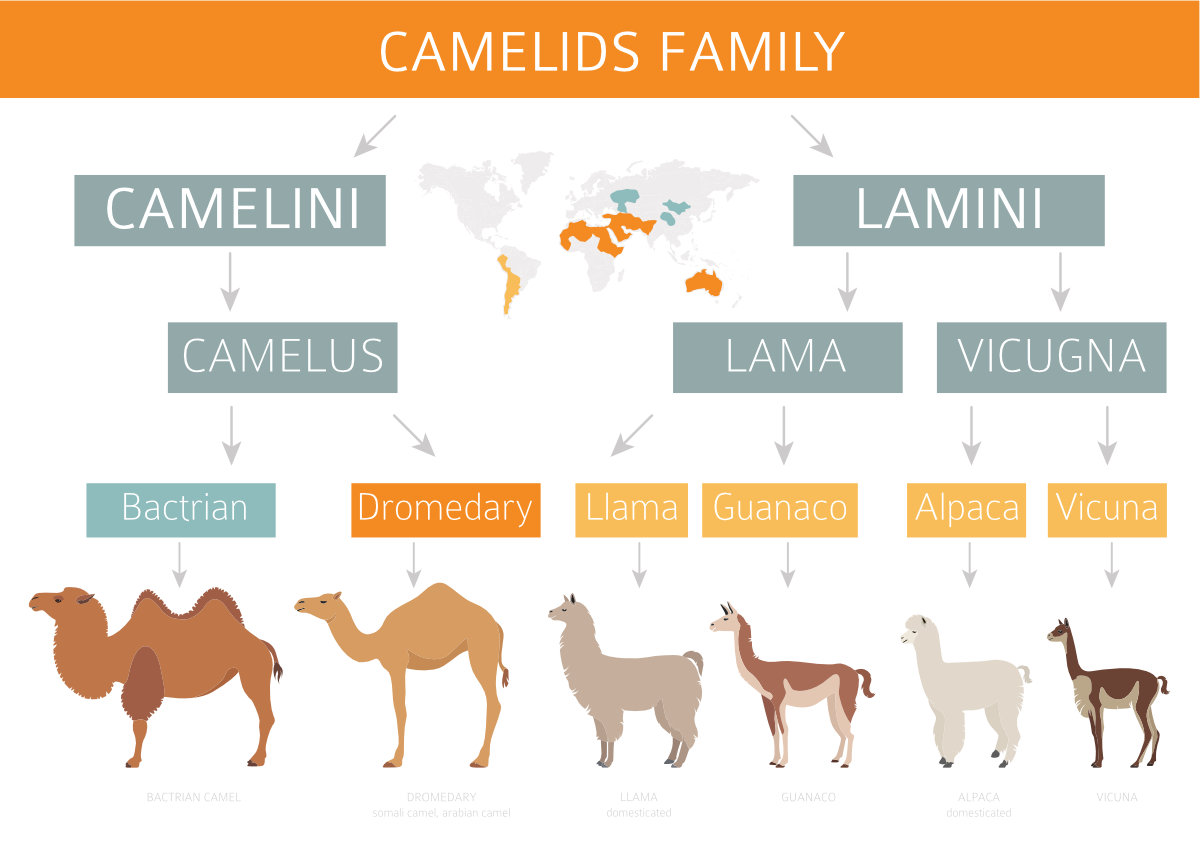
The camelids family. (Shutterstock image)
In addition to Saudi Arabia, the countries that will be represented include the US, the UAE, Qatar, Oman, Bahrain, Canada, India, Morocco, Tanzania, Peru, Algeria, the Czech Republic, Pakistan, Tunisia, Austria, Spain, Burundi, Senegal, the Democratic Republic of the Congo, Mauritania, France, Sudan, Chad, Angola, the UK and Uganda.
Saudi representatives will highlight the role of the Kingdom in promoting the value of camels as a cultural symbol that has been associated with Saudi society since ancient times and “still enjoys great prestige,” the Saudi Press Agency reported.
On Friday, the eve of the parade, public discussions took place at the Chateau de Janvry’s historical center about cultural heritage associated with camels around the world and the specific contributions by participating countries to the annual event in Paris.
The parade will be followed by a reception for invited guests, including representatives of the participating countries, international organizations, academia, research centers and the private sector, the SPA reported.
The UN Food and Agriculture Organization named 2024 as International Year of Camelids to honor and promote the sector and highlight the important role it plays in efforts to achieve food security and economic growth in many countries.


