- Pakistan had announced it would start expelling Afghans with state-issued citizen cards after Eid Al-Fitr
- Pakistan has already expelled around half a million ‘undocumented’ Afghan refugees since last November
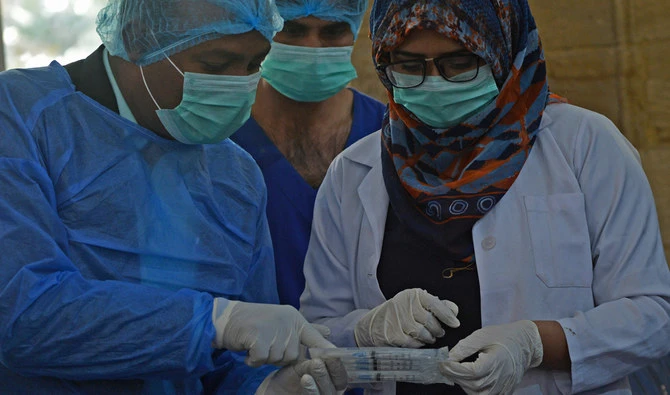
ISLAMABAD: The international charity Médecins Sans Frontières (MSF) said this week it was “deeply concerned” as Pakistani authorities prepare for phase two of a ‘repatriation plan’ that has mostly targeted Afghans in the country since it was launched late last year.
Last month, the Pakistan government said it had started mapping Afghan nationals with Pakistan-issued citizen cards for deportation as part of phase two of its expulsion drive in which around half a million so-called undocumented Afghan refugees have already been expelled since November. The new campaign will mainly target 800,000 refugees who hold Pakistan-issued Afghan citizenship cards (ACCs).
“In the wake of the recent announcement by the Pakistani authorities that ‘Phase Two’ of the ‘repatriation plan’ of Afghans in the country will begin after Eid (15 April), Médecins Sans Frontières (MSF) is deeply concerned for the rights and welfare of those impacted by the latest round of deportations,” the charity said in a statement.
“Many Afghans living in Pakistan have been there for decades and have spent more time in the country than their country of origin, without any legal recourse to remain in the only place they can effectively call ‘home,’” MSF added.
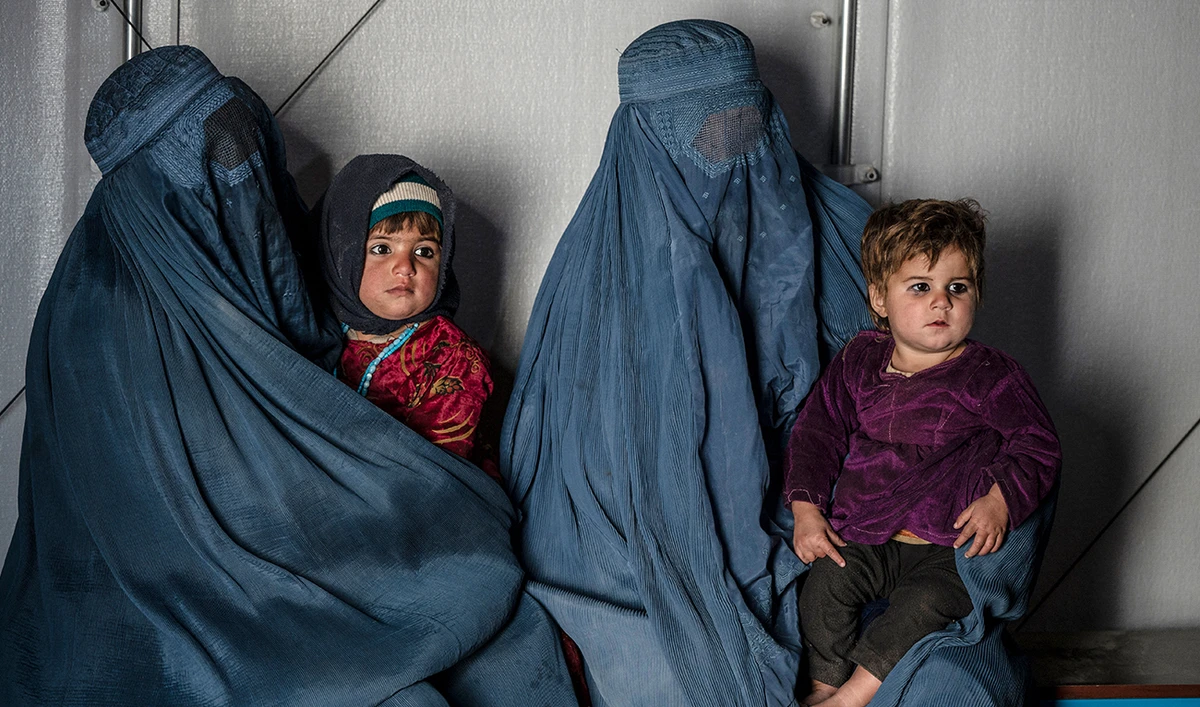
“For many Afghans, this ‘repatriation’ means packing up their belongings and carrying them on a horse, cart, car and bus and traveling en masse to a country that is already struggling with widespread poverty, inadequate health services and increased restrictions on women.”
In October 2023, Pakistan announced phase one of the ‘Illegal Foreigners’ Repatriation Plan’ with a 30-day deadline for “undocumented” Afghan refugees to leave the country or be subject to deportation, putting 1.4 million refugees at risk.
In phase two of the ‘repatriation plan,’ Pakistan-issued ACC holders will be expelled from the country after the Eid Al-Fitr festival, a major Muslim holiday that fell on April 10. Phase three is expected to result in the deportation of UNHCR-issued Proof of Registration (PoR) card holders.
Until November last year, before it began the deportation drive, Pakistan was home to over 4 million Afghan migrants and refugees, about 1.7 million of whom were undocumented, according to the government. Afghans make up the largest portion of migrants, many of whom came after the Taliban took over Kabul in 2021, but a large number have been present since the 1979 Soviet invasion of Afghanistan.
The expulsion drive started after a spike in suicide bombings last year which the Pakistan government — without providing evidence — said mostly involved Afghans. Islamabad has also blamed them for smuggling and other militant violence and crime.
At the time, cash-strapped Pakistan, navigating record inflation and a tough International Monetary Fund bailout program, also said undocumented migrants had drained its resources for decades.
Despite the challenges facing migrants, Pakistan is the only home many of them know and a sanctuary from the economic deprivation and extreme social conservatism that Afghanistan is grappling with.
While hundreds of thousands have left Pakistan since the expiry of a November 1, 2023 deadline, the South Asian country still hosts around 1.35 million registered Afghan refugees, with an additional 803,200 possessing ACCs, according to the UN Refugee Agency (UNHCR).