

WHO warns of falsified cough syrup ingredients seized in Pakistan

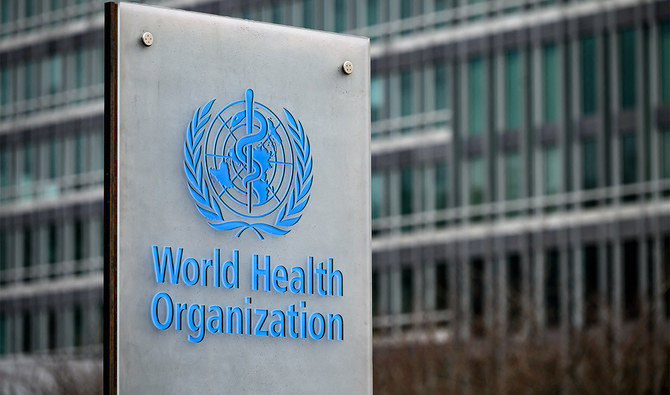
This photograph taken on December 2, 2021, shows a sign of the the World Health Organization (WHO) next to theirs headquarters, in Geneva. (AFP/File)
Short Url
Updated 16 April 2024
Follow

WHO warns of falsified cough syrup ingredients seized in Pakistan

  • Five contaminated batches of propylene glycol falsely labelled as made by Dow Chemical units in Asia and Europe
  • Contaminated cough syrups linked to deaths of more than 300 children globally since late 2022

The World Health Organization issued an alert on Monday warning drugmakers of five contaminated batches of propylene glycol, an ingredient used in medicinal syrups, that appear to have been falsely labelled as manufactured by Dow Chemical units in Asia and Europe.

The Drug Regulatory Authority of Pakistan (DRAP) issued three alerts between January and March over high levels of ethylene glycol (EG), an industrial solvent known to be toxic, found in drums purportedly made by subsidiaries of Dow Chemical in Thailand, Germany and Singapore.

DRAP sent suspect drums of propylene glycol, a sweet-tasting alcohol used in over-the-counter medicines such as cough syrups, for testing. The samples were found to have EG contamination of 0.76-100 percent, according to the WHO. International manufacturing standards say only trace amounts of EG, below 0.1 percent, can be considered safe.

Contaminated cough syrups made in India and Indonesia have been linked to deaths of more than 300 children globally since late 2022. The medicines were found to contain high levels of EG and diethylene glycol, leading to acute kidney injury and death. In the Indonesia case, authorities found that one supplier had placed false Dow Thailand labels onto drums containing EG that it sold to a distributor for pharmaceutical use.

Several of the batches seized by DRAP were labelled as having been manufactured in 2023, the WHO said, months after the agency issued a global alert calling on drugmakers to verify the quality of their suppliers.

The WHO said Dow confirmed that the materials identified in its Monday alert and found by DRAP were not manufactured or supplied by the company.

“The propylene glycol materials identified in this alert are considered to have been deliberately and fraudulently mislabelled,” the WHO said, noting batches may have been distributed to other countries and still be in storage.

Dow did not immediately respond to a request for comment.

The WHO alert comes the same week regulators in Tanzania and Rwanda joined Nigeria, Kenya and South Africa to recall batches of Johnson & Johnson children’s cough syrup after Nigeria said it found high levels of diethylene glycol, an industrial solvent known to be toxic.

The batch of Benylin Paediatric syrup recalled was made by J&J in South Africa in May 2021, although Kenvue now owns the brand after a spin-off from J&J last year.


Pakistan to begin first phase of Hajj 2026 trainings from today

Updated 31 December 2025
Follow

Pakistan to begin first phase of Hajj 2026 trainings from today

  • Training programs to be held in phases across Pakistan till February, says religion ministry
  • Saudi Arabia allocated Pakistan a total quota of 179,210 pilgrims for Hajj 2026

ISLAMABAD: Pakistan’s religious affairs ministry has said that it will begin the first phase of mandatory Hajj 2026 training for pilgrims intending to perform the pilgrimage from today, Thursday.

The one-day Hajj training programs will be held in phases across the country at the tehsil level until February. The ministry directed intending pilgrims to bring their original identity cards and the computerized receipt of their Hajj application to attend the training sessions.

“Pilgrims should attend the one-day training program according to their scheduled date,” Pakistan’s Ministry of Religious Affairs (MoRA) said in a statement.

The ministry said training schedules are being shared through the government’s Pak Hajj 2026 mobile application as well as via SMS. It added that details of the schedule are also available on its website.

According to the ministry, training programs will be held in Abbottabad on Jan. 2; Ghotki, Thatta and Kotli on Jan. 3; and Tando Muhammad Khan and Khairpur on Jan. 4.

Hajj training sessions will be held in Rawalakot, Badin and Naushahro Feroze on Jan. 5, while pilgrims in Fateh Jang, Dadu and Tharparkar will receive the training on Jan. 6.

The ministry said training programs will be conducted in Umerkot and Larkana on Jan. 7, followed by sessions in Mirpurkhas, Shahdadkot and Mansehra on Jan. 8.

Pakistan’s religious affairs ministry has previously said these trainings will be conducted by experienced trainers and scholars using multimedia.

It said the training has been made mandatory to ensure that intending pilgrims are fully aware of Hajj rituals and administrative procedures.

Saudi Arabia has allocated Pakistan a quota of 179,210 pilgrims for Hajj 2026, of which around 118,000 seats have been reserved under the government scheme, while the remainder will be allocated to private tour operators.

Under Pakistan’s Hajj scheme, the estimated cost of the government package ranges from Rs1,150,000 to Rs1,250,000 ($4,049.93 to $4,236), subject to final agreements with service providers.