GENEVA: More than 3,500 people die from hepatitis viruses every day and the global toll is rising, the World Health Organization warned on Tuesday, calling for swift action to fight the second-largest infectious killer.
New data from 187 countries showed that the number of deaths from viral hepatitis rose to 1.3 million in 2022 from 1.1 million in 2019, according to a WHO report released to coincide with the World Hepatitis Summit in Portugal this week.
These are “alarming trends,” Meg Doherty, head of the WHO’s global HIV, hepatitis and sexually-transmitted infection programs, told a press conference.
The report said that there are 3,500 deaths per day worldwide from hepatitis infections — 83 percent from hepatitis B, 17 percent from hepatitis C.
There are effective and cheap generic drugs which can treat these viruses.
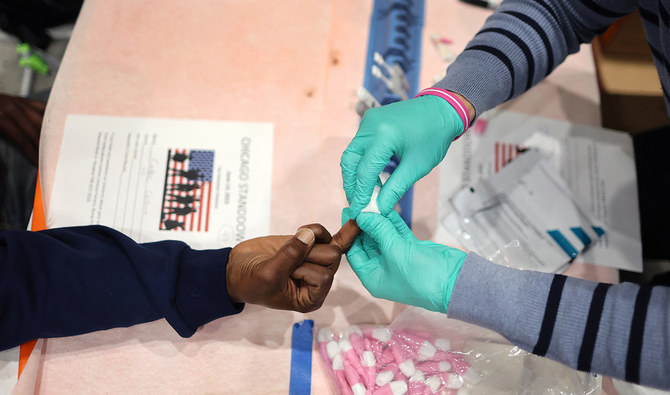
Yet only three percent of those with chronic hep B received antiviral treatment by the end of 2022, the report said.
For hep C, just 20 percent — or 12.5 million people — had been treated.
“These results fall well below the global targets to treat 80 percent of all people living with chronic hep B and C by 2030,” Doherty said.
The overall rate of hepatitis infections did fall slightly.
But WHO chief Tedros Adhanom Ghebreyesus emphasized that the report “paints a troubling picture.”
“Despite progress globally in preventing hepatitis infections, deaths are rising because far too few people with hepatitis are being diagnosed and treated,” he said in a statement.
Africa accounts for 63 percent of new hep B infections, yet less than one in five babies on the continent are vaccinated at birth, the report said.
The UN agency also lamented that the affected countries did not have enough access to generic hepatitis drugs — and often paid more than they should.
Two thirds of all hepatitis cases are in Bangladesh, China, Ethiopia, India, Indonesia, Nigeria, Pakistan, the Philippines, Russia and Vietnam, according to the report.
“Universal access to prevention, diagnosis, and treatment in these 10 countries by 2025, alongside intensified efforts in the African region, is essential to get the global response back on track,” the WHO said in a statement.
Viral hepatitis is the second-biggest infectious killer, narrowly trailing tuberculosis.


![]()

Two-thirds of all hepatitis cases are found in 10 countries, including Pakistan— WHO report
Short Url
https://arab.news/9e3gx
Two-thirds of all hepatitis cases are found in 10 countries, including Pakistan— WHO report
- Over 3,500 people die from hepatitis viruses every day, says World Health Organization
- Two-thirds of all hepatitis cases are in Pakistan, Nigeria, Bangladesh, China, India, other countries
Latest updates




© 2026 SAUDI RESEARCH & PUBLISHING COMPANY, All Rights Reserved And subject to Terms of Use Agreement.