In major development, Pakistan starts fruit delivery to Russia via land

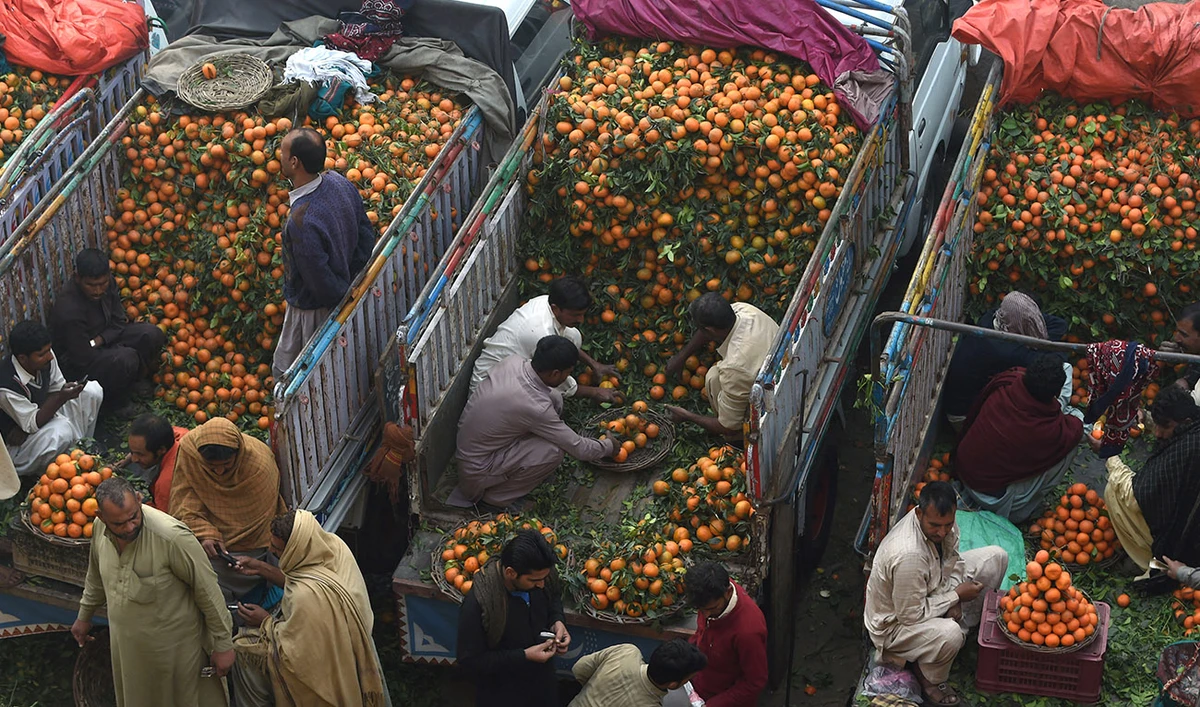
Pakistani traders sell oranges on their trucks at a fruit market in Lahore on December 4, 2016. (AFP/File)
Short Url
Updated 11 March 2024
Follow

In major development, Pakistan starts fruit delivery to Russia via land

  • Sixteen trucks carrying oranges from Pakistan have entered the Russian cities of Derbent and Grozny
  • Pakistan, faced with an economic slowdown, is trying to expand bilateral trade to revive frail economy

ISLAMABAD: Pakistan has achieved a milestone in regional trade by beginning the transportation of fruit to Russia via land, Pakistani state media reported on Monday.

In this regard, 16 trucks of Pakistan’s National Logistics Corporation carrying oranges entered the Russian cities of Derbent and Grozny after covering a distance of almost 6,000 kilometers.

“Russia applauded the efforts of the NLC for the promotion of bilateral trade between both the countries,” the state-run Radio Pakistan broadcaster said.

Pakistan, which has been facing an economic slowdown for the last two years, is currently making efforts to expand bilateral trade with several countries.

The South Asian country is also trying to attract foreign investment, particularly from the Middle East, to strengthen its diminishing reserves and volatile currency.

Prior to the export of fruit to Russia, the NLC also provided logistics support for the export of bananas, meat and seafood to Central Asian states and China.
Pakistan reviews austerity measures amid Middle East crisis, urges strict nationwide implementation

Updated 11 March 2026
Follow

Pakistan reviews austerity measures amid Middle East crisis, urges strict nationwide implementation

  • Deputy Prime Minister Ishaq Dar chairs review meeting of austerity steps
  • Officials briefed on salary cuts, school closures, four‑day week, petrol conservation

ISLAMABAD: Pakistan’s government on Wednesday assessed progress on a sweeping set of austerity measures introduced to mitigate the country’s economic strain from sharply rising global oil prices and supply disruptions linked to the ongoing war in the Middle East.

Prime Minister Shehbaz Sharif this week announced a series of austerity steps, including a four‑day work week for government offices, requiring 50  percent of staff to work from home, cutting fuel allowances for official vehicles by half, grounding up to 60  percent of the government fleet and closing all schools for two weeks to conserve fuel amid the global oil crisis.

The measures were unveiled in response to global oil market volatility triggered by the conflict involving the United States, Israel and Iran, which has disrupted supply routes such as the Strait of Hormuz and pushed crude prices sharply higher, straining Pakistan’s heavily import‑dependent energy sector.

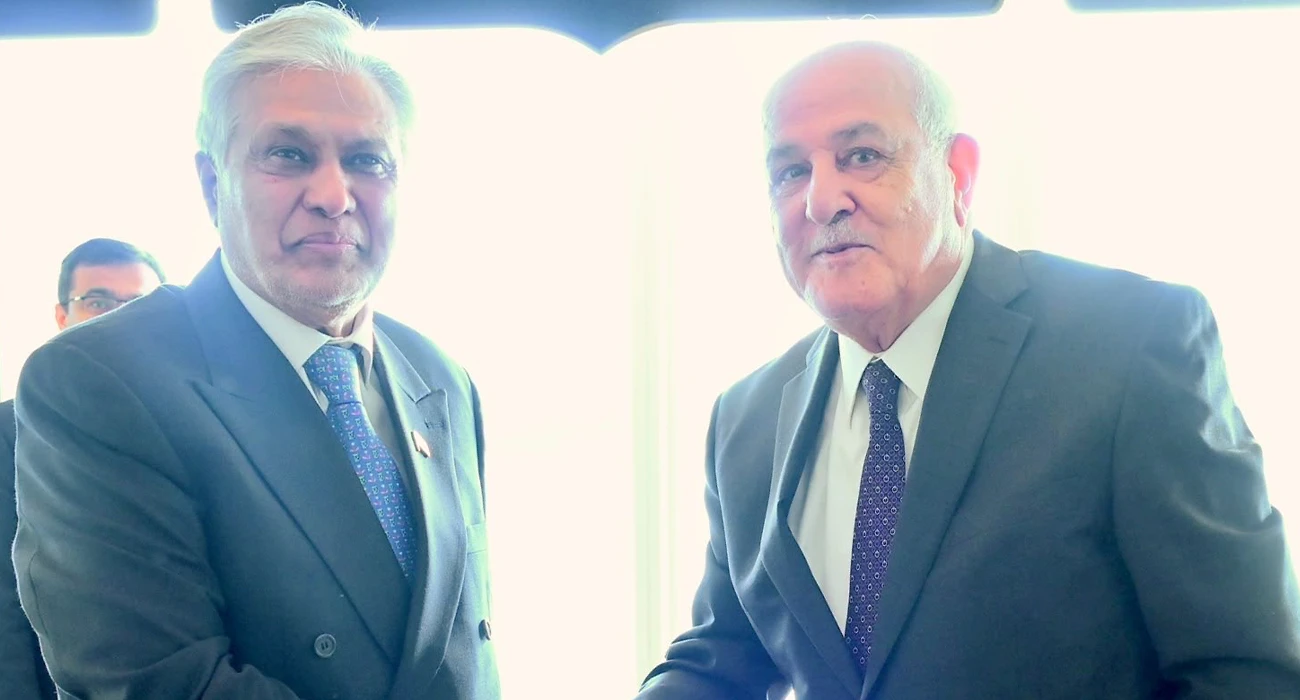
“The meeting stressed the importance of strict and transparent adherence to the austerity measures, promoting fiscal responsibility and prudent use of public resources,” Deputy Prime Minister and Foreign Minister Senator Mohammad Ishaq Dar said in a statement.

He was chairing a meeting of the Committee for Monitoring and Implementation of Conservation and Additional Austerity Measures, constituted under the directions of the PM, bringing together federal and provincial officials to review execution of the broad cost‑cutting plan. 

Dar emphasized the government’s commitment to enforcing the PM’s austerity steps nationwide. The committee’s review also covered reductions in departmental expenditure, deductions from salaries of senior officials earning over Rs. 300,000 ($1,120), and coordination with provincial administrations to ensure uniform implementation of the plan.

Participants at the meeting reiterated that all ministries and divisions must continue strict monitoring and reporting, with transparent oversight mechanisms, as Pakistan navigates the economic pressures from the prolonged Middle East crisis and its fallout on global energy and trade markets.